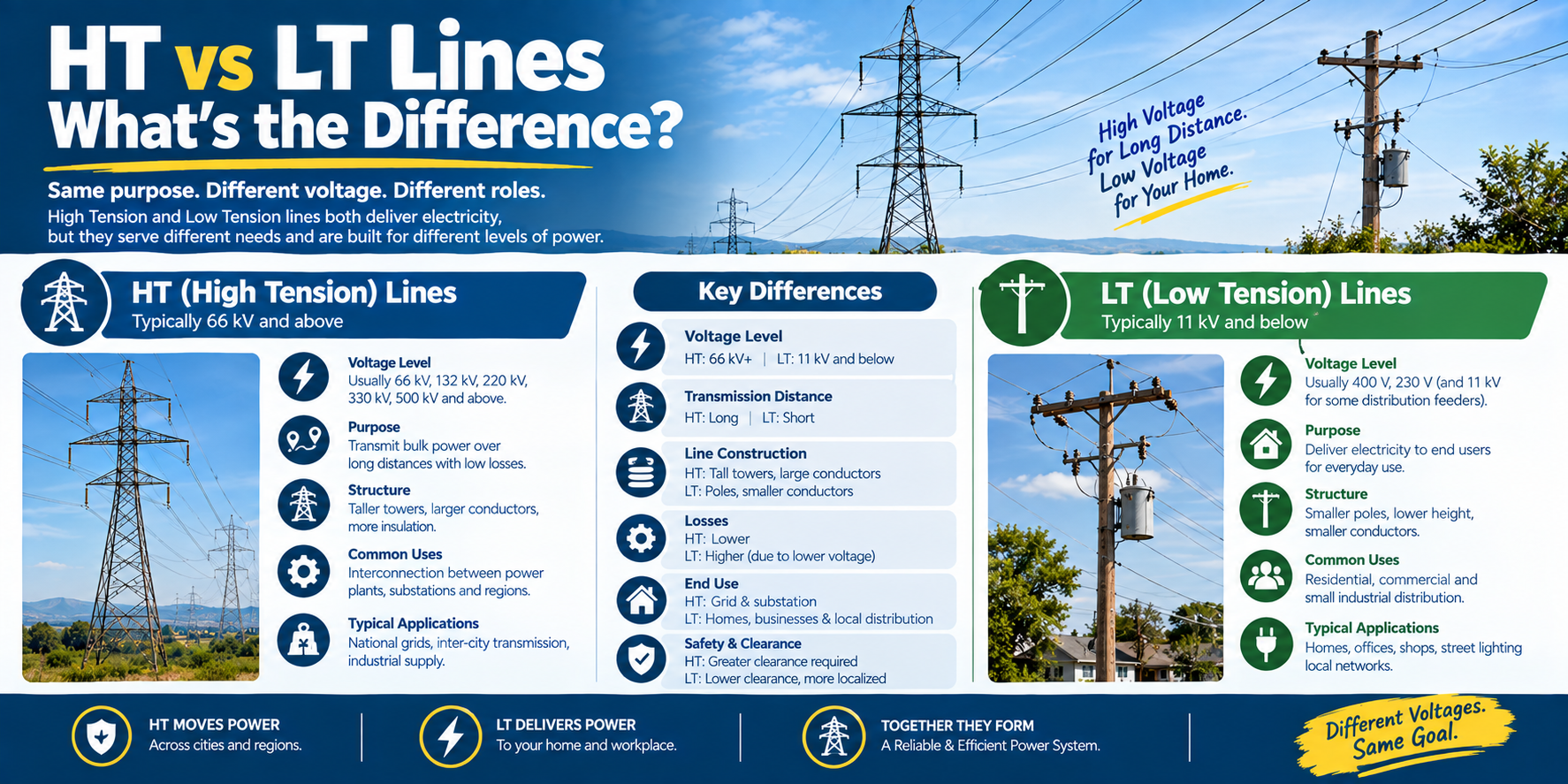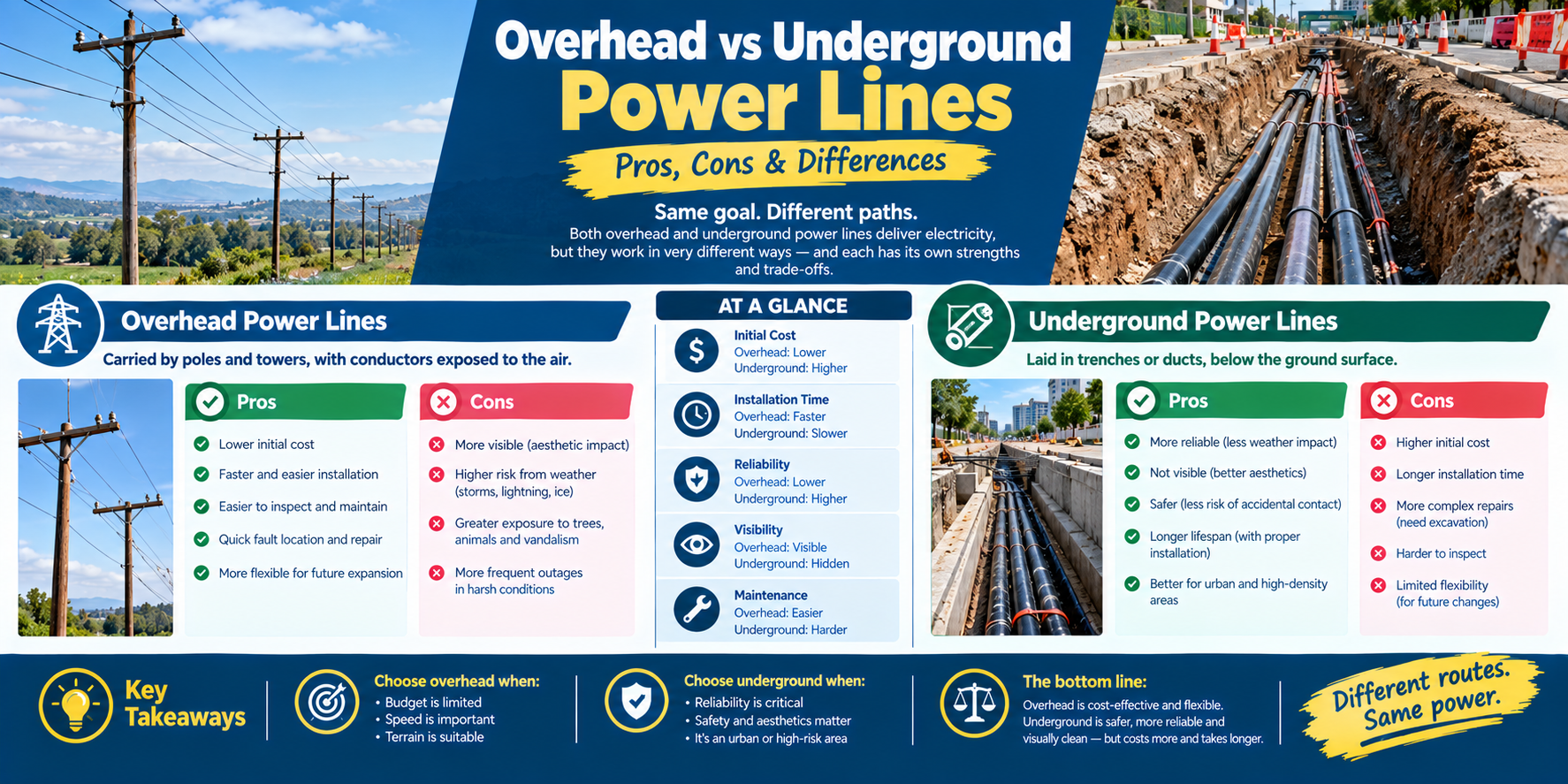
Imagine walking down a busy street in New York, London, or Lahore. You look up and see a network of wires crisscrossing above you. Have you ever wondered what keeps those heavy cables from touching each other or falling down? The unsung hero of this setup is the Steel Cross Arm.
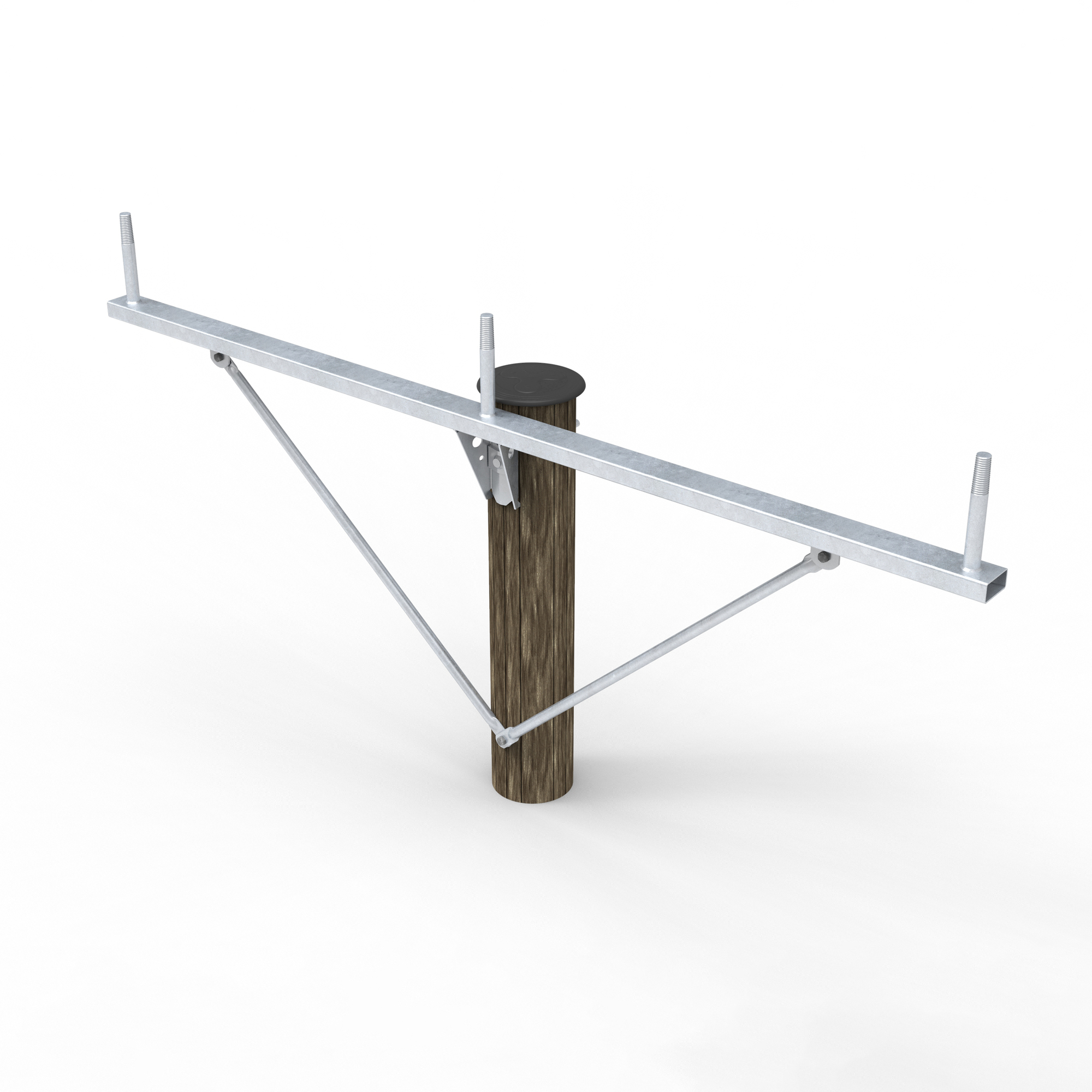
Steel Cross Arms are galvanized steel structures mounted on utility poles to support and separate electrical conductors safely. Whether it is a specialized Alley Arm, a Flat Cross arm Brace, or a standard Electrical Cross Arm, these components ensure that electricity reaches your home safely and without interruption.
Why Quality Power Pole Cross Arms Matter
When it comes to building a power grid that lasts, you can’t cut corners. High-voltage lines are heavy, and the weather is unpredictable. Strong winds, heavy snow, and even intense heat can put immense stress on a utility pole.
If the Power Pole Cross Arm fails, the results are more than just a “lights out” scenario. It can lead to dangerous fires, safety risks, or expensive equipment damage. Therefore, choosing the right steel hardware is the first step toward a resilient energy network.
In this guide, we will break down the different types of Steel Cross Arms and explain why they are the gold standard for utility companies across the USA, UK, Pakistan, and throughout Asia.
The Different Types of Electrical Cross Arms
Not every pole is the same, and neither is every cross arm. Depending on the location and the tension of the wires, engineers choose specific shapes and designs.
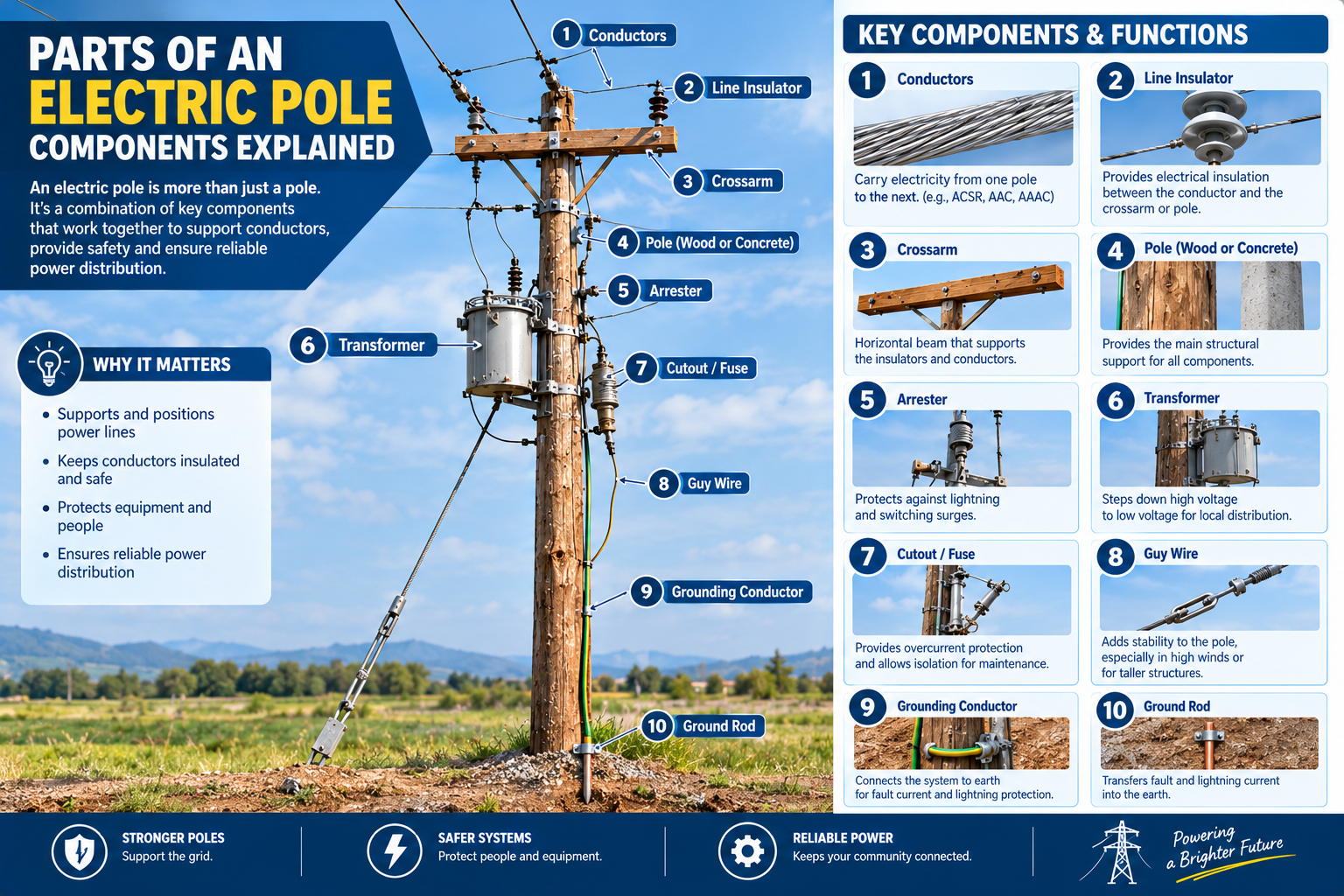
1. The Standard Electrical Cross Arm
This is the most common type you will see. It is usually a straight horizontal beam made of galvanized steel. Its primary job is to hold insulators and keep the wires separated.
Because steel is much more durable than wood, these Electrical Cross Arms are quickly becoming the go-to choice for modernizing old power grids.
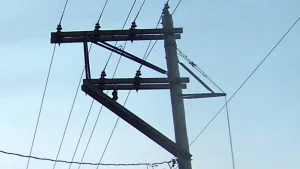
2. The Alley Arm (Side Cross Arm)
An Alley Arm is used when space is tight. You will often see these in narrow city streets or “alleys” (hence the name).
Instead of being centered on the pole, the arm is mounted to one side. This allows the wires to run along a building or a narrow path without needing extra space on the other side of the pole.
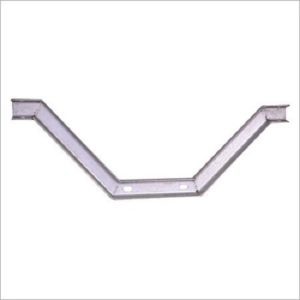
3. The V Type Cross Arm
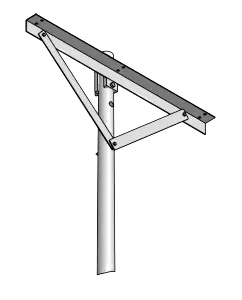
For heavy-duty lines, the V Type Cross Arm is a game changer. Its V-shaped design provides extra structural integrity, allowing it to support higher voltages and heavier cables.
It is especially useful in rural areas where long-distance power transmission is required.
Supporting the Load: The Flat Cross arm Brace
A cross arm can’t do all the work alone. It needs strong support to stay level and stable over time. This is where the Flat Cross arm Brace comes in.
These braces are typically made of flat steel bars and connect the cross arm to the pole at an angle. They prevent the arm from tilting or sagging under the weight of insulators and wires.
Without a high-quality brace, even the strongest Steel Cross Arms would eventually be affected by gravity, wind pressure, and vibration.
Why Steel Cross Arms Are Replacing Wood in Asia and Beyond
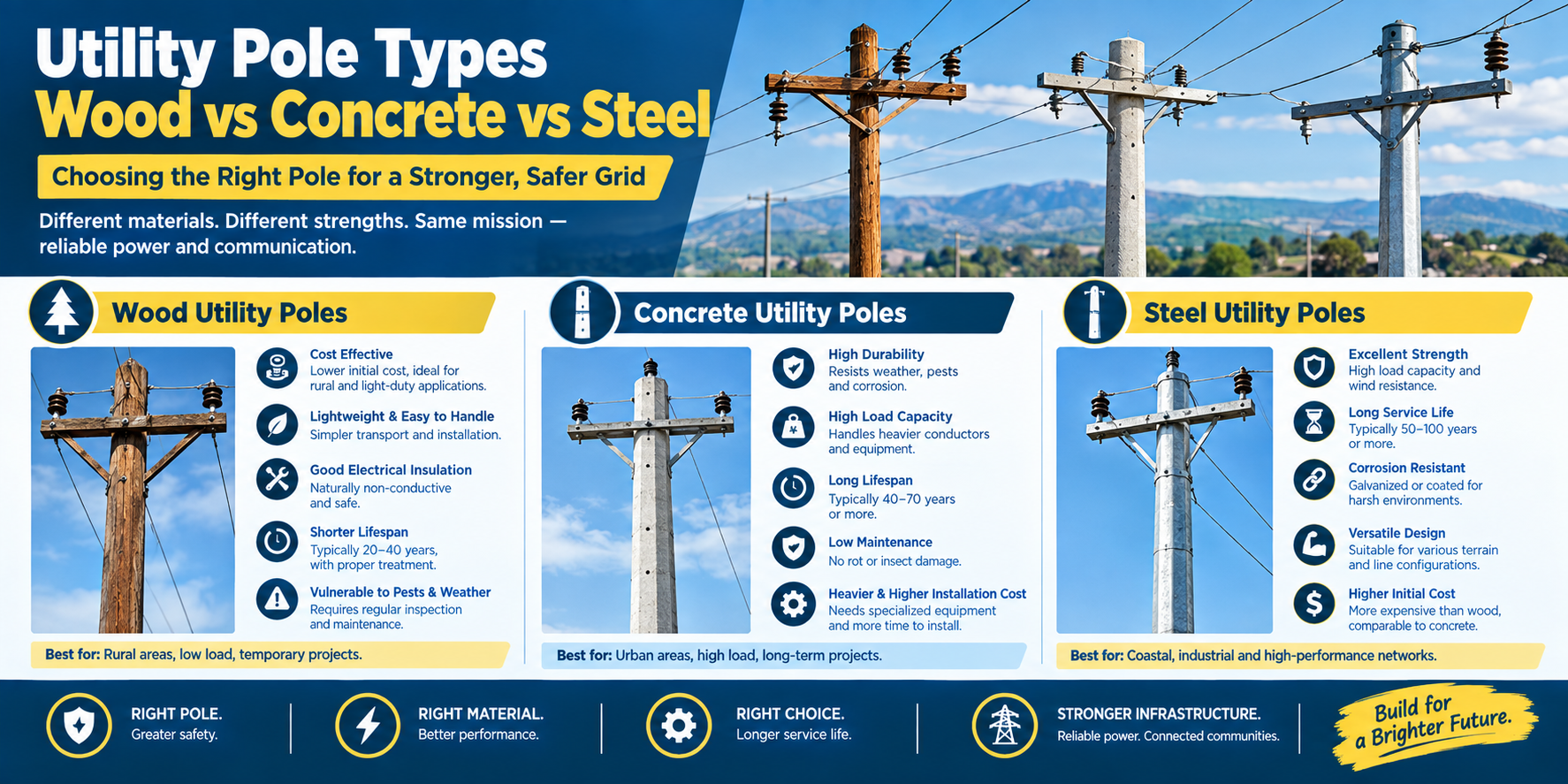
For decades, many countries in Asia used wooden cross arms because they were cheap and easily available. However, modern infrastructure now demands better reliability and performance.
Here’s why Steel Cross Arms are taking over:
- Durability: Steel does not rot, warp, or get damaged by termites
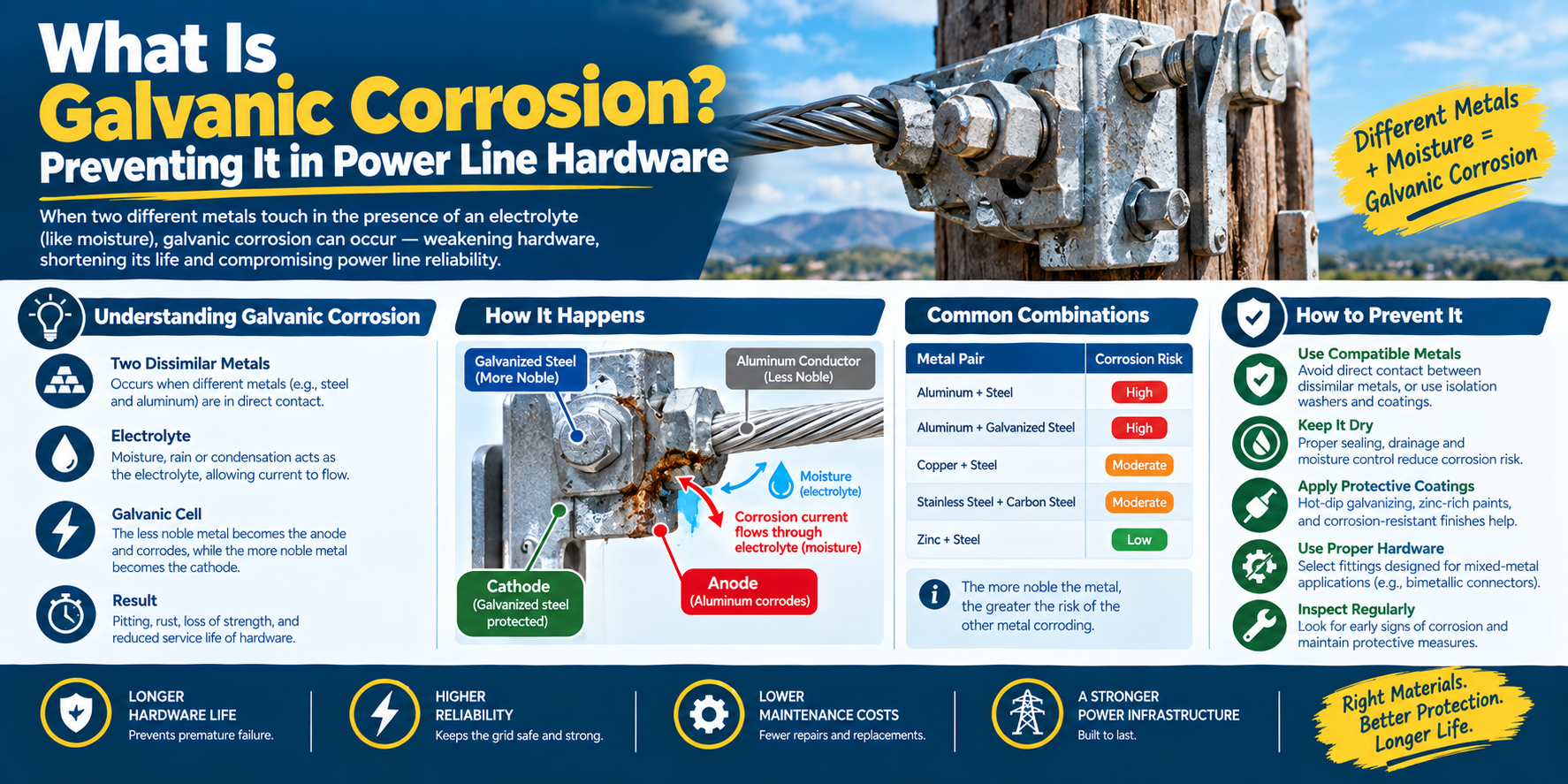
- Weather Resistance: Most arms are hot-dip galvanized to prevent rust
- Consistency: Every steel arm is manufactured with precise measurements
- Longevity: A steel setup can last 30 to 50 years with minimal maintenance
Because of these advantages, utilities in Pakistan, India, and Southeast Asia are rapidly upgrading to steel-based systems.
Choosing the Right Hardware: A Buyer’s Guide
If you are a contractor or procurement officer, selecting the right Power Pole Cross Arm is critical for long-term performance.
1. Galvanization Standards
Always check if the steel meets international standards like ASTM A153. This ensures strong protection against corrosion.
2. Tensile Strength
The cross arm must handle the required load. Always verify load ratings before purchasing.
3. Precision Manufacturing
Look for accurately drilled holes and proper alignment. This ensures easy installation and reduces on-site issues.
Common Scenarios: Where Each Cross Arm Works Best
Understanding where each type performs best can help you make better decisions.
- Urban Areas: Use an Alley Arm for tight spaces between buildings
- High-Wind Zones: Choose a V Type Cross Arm with a Flat Cross arm Brace
- Residential Streets: A standard Electrical Cross Arm is usually sufficient and cost-effective
FAQs About Steel Cross Arms
Q1: How long do steel cross arms last?
Typically, a galvanized steel cross arm lasts between 30 to 50 years, depending on environmental conditions.
Q2: Can a Flat Cross arm Brace be used with wooden poles?
Yes, it can be used to reinforce wooden poles if compatible hardware is used.
Q3: Why is the Alley Arm mounted on one side?
It is designed for narrow spaces where one side of the pole is obstructed.
Q4: Is steel more expensive than wood?
Initially, yes. However, steel is more cost-effective in the long run due to durability and low maintenance.
Conclusion: Powering the Future with Steel Cross Arms
Reliable power starts with a strong foundation. By choosing high-quality Steel Cross Arms, you are investing in the safety, efficiency, and longevity of your electrical network.
From the space-saving Alley Arm to the heavy-duty V Type Cross Arm, each component plays a critical role in keeping power systems stable and secure.
Don’t compromise on quality when it comes to infrastructure. Choose durable, galvanized steel solutions that are built to last.