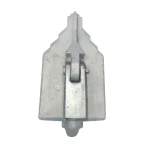
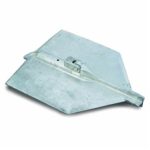
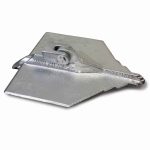
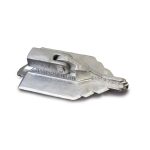
Description
Anchor a Guy in Soil Fast, and Proof-Tested as It Sets
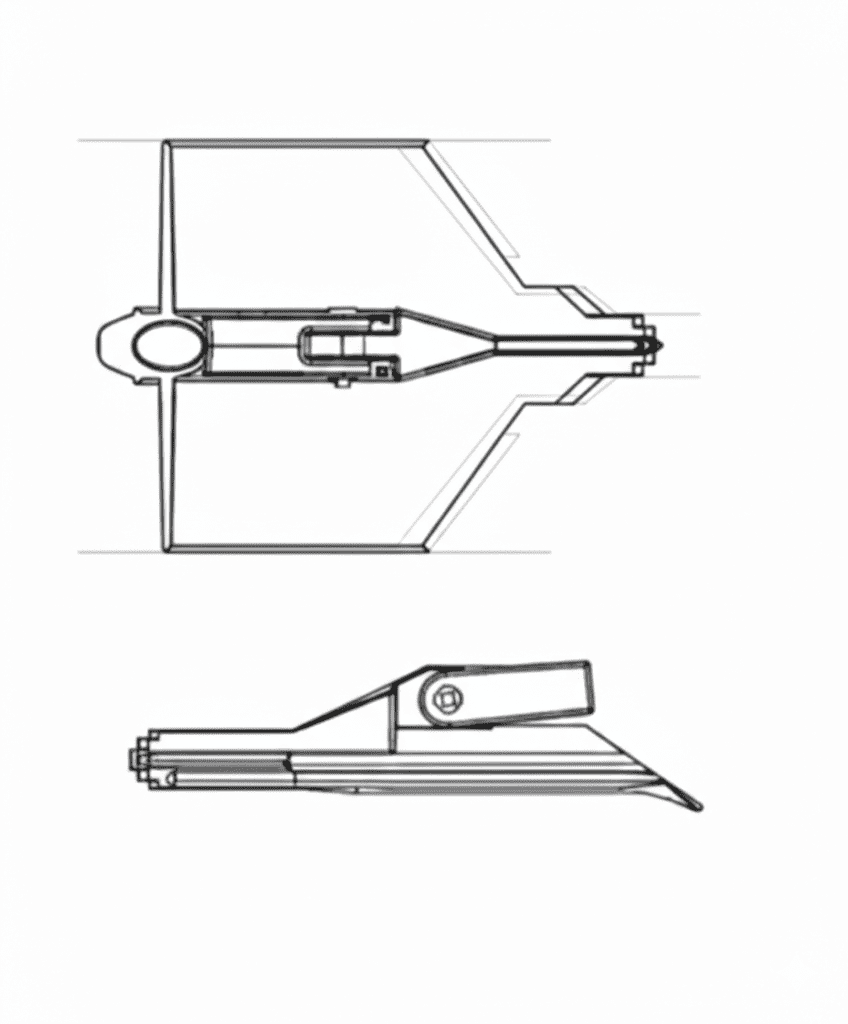
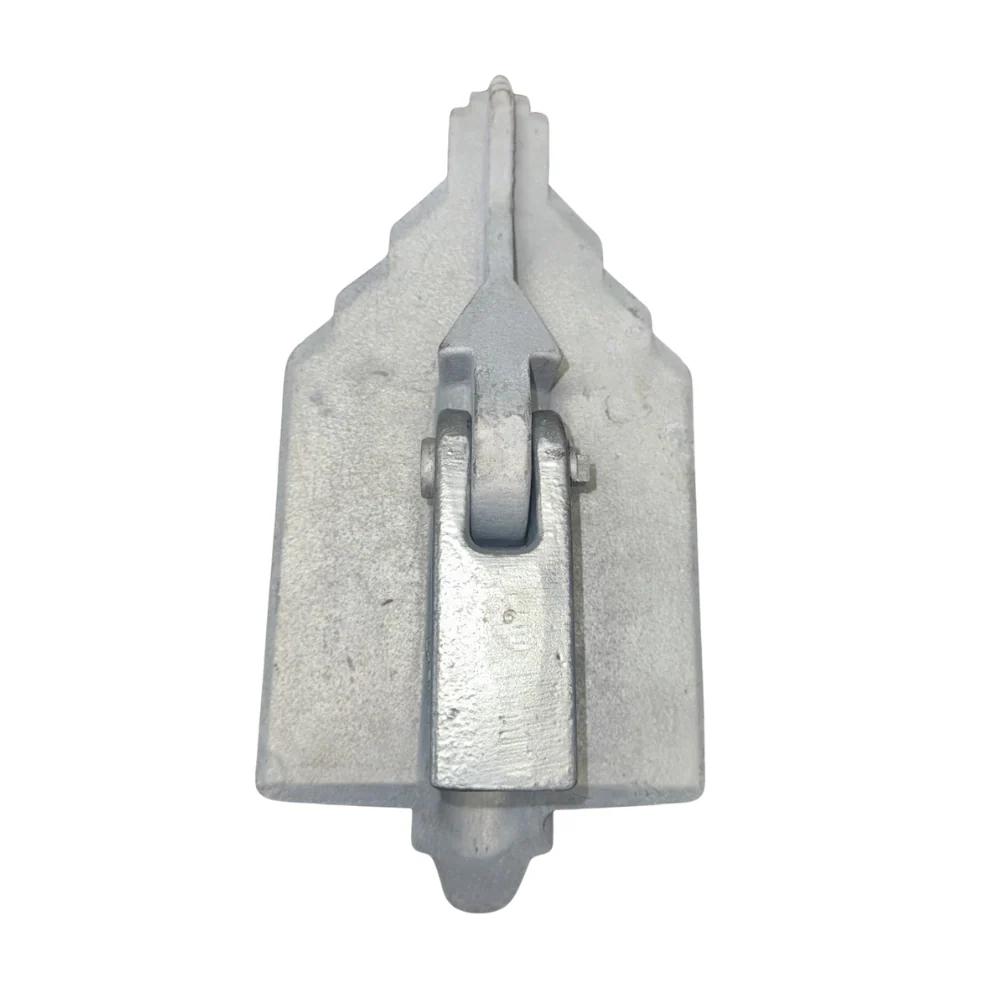
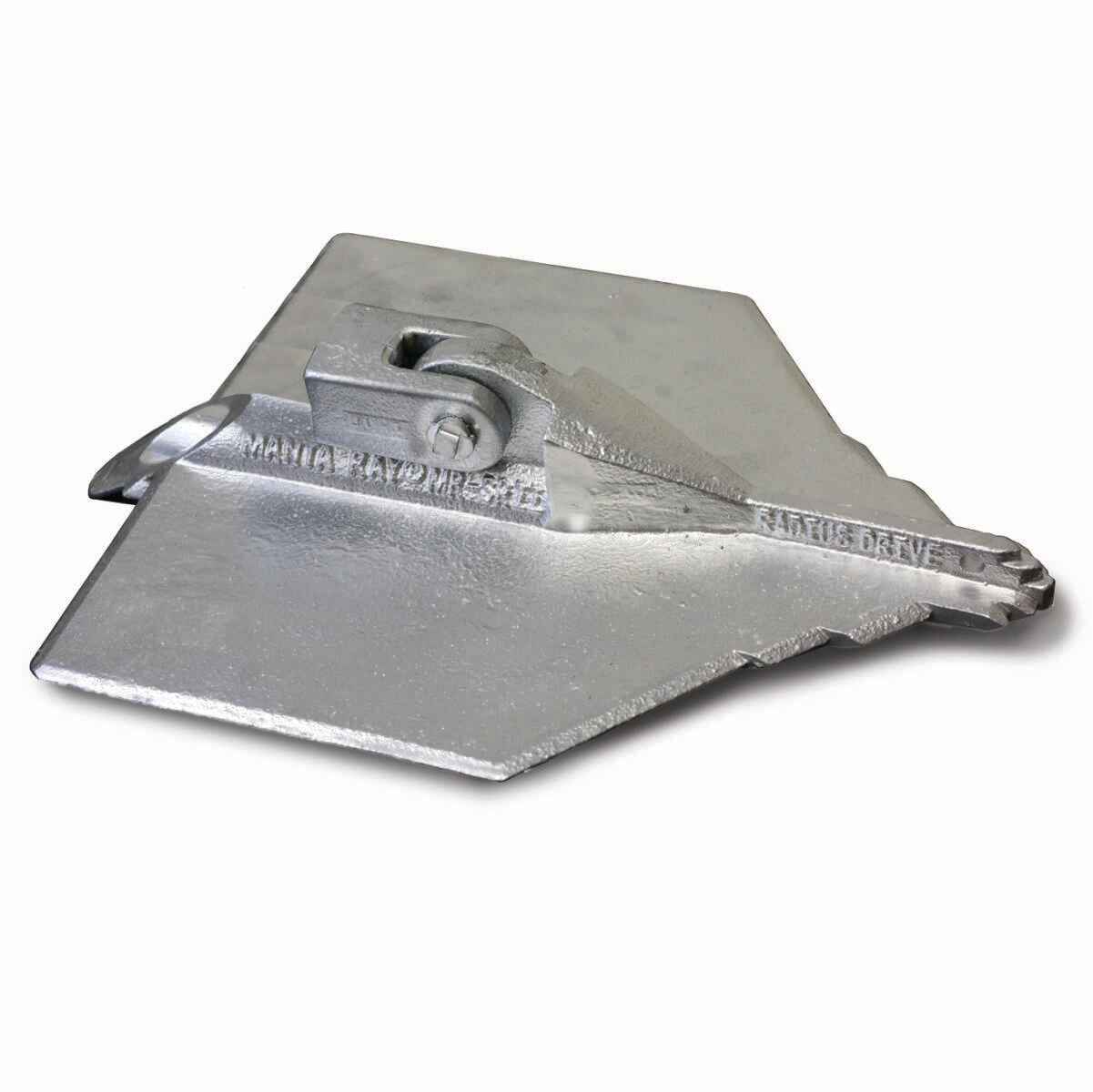
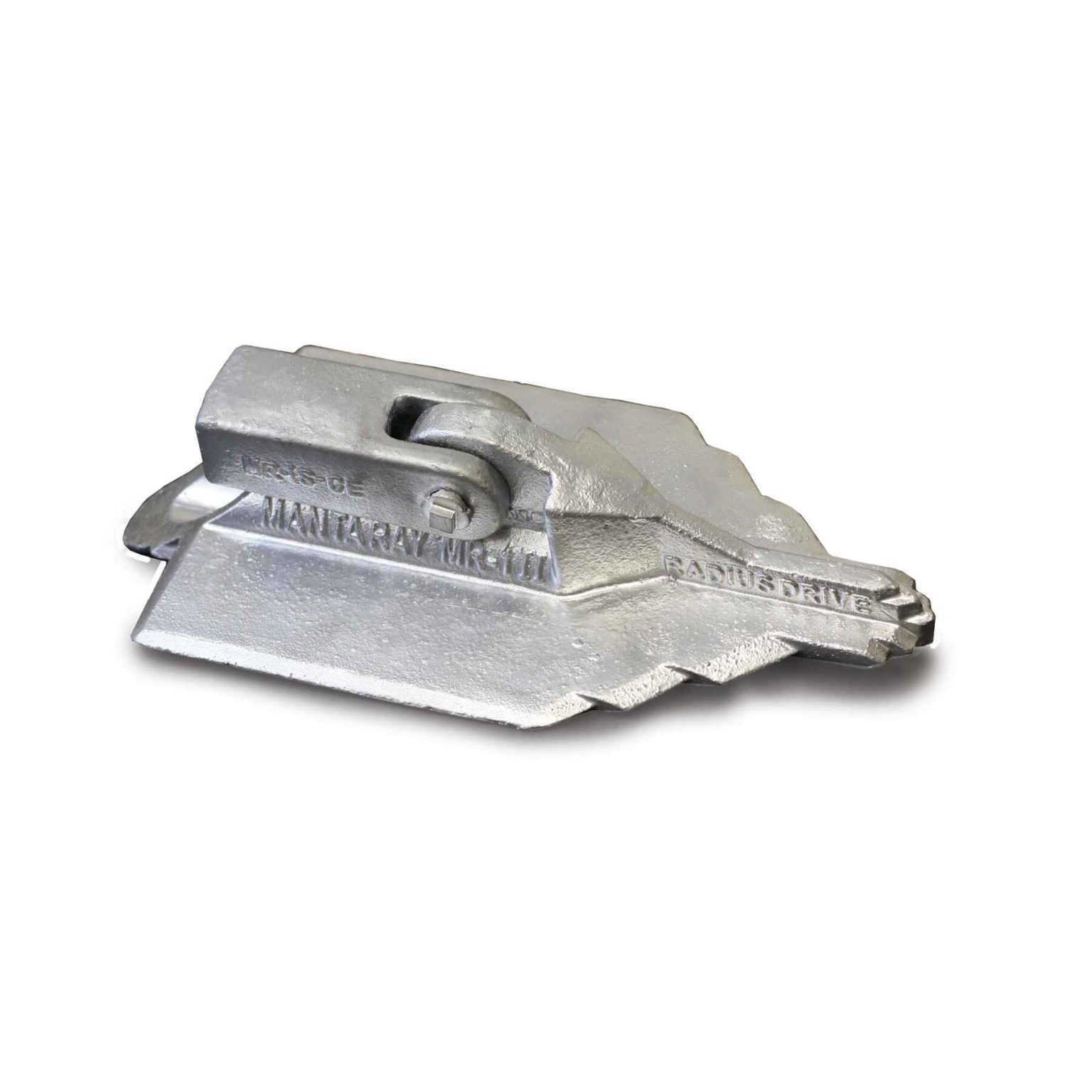
Anchoring a guy in soil usually means a trade-off: dig and set an anchor (slow, disturbs the ground), or accept something quicker but weaker, and either way you don’t really know what it holds until it’s loaded. The Manta Ray Anchors, a driven plate earth anchor, the manta-ray-style manta ray anchors familiar across the industry, answer both problems at once.
It’s driven straight into the soil on a drive rod, no excavation. Then it’s load-locked: pull back on the anchor rod and the plate rotates from its slim driven position to a crosswise, load-bearing one, wedging against the undisturbed soil above it. That single action does two things: it sets the anchor and proof-tests it, because if it holds the pull, you’ve just verified its capacity. No grout, no hole, and a tested hold before you ever hang the guy.
This page covers manta ray anchors: how the drive-and-lock works, when they’re the right choice, and how they connect to the stay.
How the Drive-and-Lock Works
Three steps, and the third is what sets this anchor apart:
- Drive the anchor into the soil with a drive rod (steel adaptable to a jackhammer, demolition hammer, or similar percussion equipment), straight down to depth no hole, no excavation.
- Remove the drive rod, leaving the anchor and its rod in the ground.
- Load-lock pull back on the anchor rod. The plate rotates from its driven (slim, low-resistance) orientation to a crosswise (high-resistance) position, wedging against the column of undisturbed soil above it. This locks the anchor and proof-tests it in the same motion: hold the target load, and the anchor’s capacity is verified on the spot.
The result: holding capacity from undisturbed ground (stronger than an anchor bedded in backfill), a fast install with no hole to dig or grout to cure, and an immediate, per-anchor proof test you know each anchor’s hold as you set it.
When Is a Manta Ray Anchors the Right Choice?
The ground decides, and the manta ray anchors territory is most soils:
- Most soils (the common case) → the manta ray anchors fast, no excavation, strong hold from undisturbed ground, proof-tested as it sets. Holding capacity depends on the soil, so it’s matched to your ground and load.
- Rock or ground too hard to drive → an expanding rock anchor (drilled and expanded a driven plate can’t penetrate rock; in the hardest soils a pilot or drilled hole may even be needed).
- Softer / specific bearing → a disk anchor or screw anchor.
Because the manta ray anchors hold comes from the soil it locks against, capacity varies with soil strength dense, cemented soils hold far more than loose or organic ground. That’s exactly why the load-lock proof test matters: it confirms the real hold in the actual ground, rather than trusting a chart. Send the soil (and the guy load) and we’ll match the anchor model and confirm the expected capacity.
Why Buyers Choose DAPENG Manta Ray Anchors
- Proof-tested as installed: The load-lock step verifies each anchor’s hold in its actual soil, in the same motion that sets it a per-anchor proof test, not an estimate.
- Fast, no-excavation install: Driven in with common percussion equipment and locked no hole, no grout, no cure time. On a build with many guys, real time saved.
- Holding capacity from undisturbed soil: The locked plate bears on undisturbed ground, developing more hold than an anchor in backfill.
- A model for the duty: Light-to-heavy models for different loads and soils, matched above your guy’s working tension with your safety factor.
- Galvanized, matched to the guy assembly: Galvanized body and a rod that connects the anchor rod, eye nut, and guy grip above the whole stay from one source.
Use-Case Deep Dive
Why is a driven plate anchor stronger than it looks?
Because it holds against undisturbed soil. Digging a hole and backfilling means an anchor bears on disturbed, re-compacted ground, which holds less. A manta ray anchors is driven straight in without disturbing the soil column above the plate so when it locks crosswise, it bears on ground that’s never been dug, at full natural strength. A modest plate against undisturbed soil out-holds a bigger anchor in backfill. That’s the principle behind the driven plate anchor’s efficiency.
How do I know it’s holding before I trust the guy to it?
You test it as you install it. The load-lock step isn’t just how the plate rotates into place it’s a proof test: pulling the anchor rod to the target load both seats the plate crosswise and confirms it holds that load, in the actual soil, right then. Every anchor gets an immediate, individual proof of capacity a real advantage over a buried-and-backfilled anchor you can’t easily test. Set to your standard’s proof load and the anchor is installed and verified.
Why does capacity depend so much on the soil?
Because the anchor’s hold is the soil’s strength the plate reacts the guy’s pull against the ground it bears on. Dense, cemented sands and hard clays hold a great deal; loose fine sands, soft clays, fills, and organic ground hold much less, and in the weakest ground a given model may not reach its full rating at all. So a manta ray anchors is specified to the soil and the load together, and the load-lock test confirms the real number in your ground. Tell us the soil description (and blow count if you have it) and the guy load, and we’ll match the model and set realistic expectations not a single headline figure that ignores your ground.
What if I hit rock partway down?
Then the manta ray anchors isn’t the tool rock stops a driven plate. Switch to an expanding rock anchor, drilled and expanded into the rock. Mixed ground across a line is common, so many builds carry both: manta ray anchors for the soil spans, rock anchors where the ground turns hard. Send the ground conditions across your line and we’ll supply the right anchor for each matched to the same guy hardware.
Specifications and What They Mean for You
| Specification | What we supply | What it means for the buyer |
|---|---|---|
| Type | Driven plate (drive-and-load-lock) anchor | Fast soil anchoring, no excavation |
| Ground | Most soils (rock needs the rock anchor) | The soil workhorse |
| Holding capacity | Soil-dependent; models light→heavy | Matched to your soil and guy load |
| Proof test | Load-lock verifies each anchor as set | Every anchor’s hold is confirmed on site |
| Install | Drive (percussion), remove rod, load-lock | Installed and proven in one operation |
| Coating | Galvanized to class | Survives below-grade in soil |
| Interface | Rod thread to guy hardware | Connects to the stay assembly |
(Capacities and model designations are DP Power’s own, to be confirmed from DP Power datasheets not reproduced from any other manufacturer’s chart.)
Straight Answers to Common Buyer Concerns
“How can a driven-in anchor hold as much as a dug-in one?” Because it holds against undisturbed soil, stronger than the backfill around a dug-in anchor and because you proof-test it as you set it. Driven straight in without disturbing the ground above the plate, then load-locked to rotate crosswise, the manta ray anchors develops its capacity from natural, un-dug soil and confirms it under proof load on the spot. In suitable soil, the faster method is also the stronger and the verified one.
“How do I know what it’ll hold in my ground?” By the soil and a proof test not a headline number. Holding capacity depends heavily on soil strength, so we match the model to your soil description and load, and the load-lock proof test confirms the real capacity in your actual ground as the anchor is installed. Send the soil (and blow count if known) and the guy load, and we’ll specify the model and the expected hold honestly. (We won’t quote a single figure that ignores your soil.)
“Which anchor across a mixed-ground line?” Match to the ground span by span: manta ray anchors for soil (fast, no dig, proof-tested), rock anchors where it turns to rock, disk or screw anchors for soft ground all to the same guy hardware so the stays stay consistent.
“Can you supply the whole stay?” Yes the manta ray anchors with the anchor rod, eye nut, guy grip or clamp, and guy wire, matched and kitted, so the stay is complete from soil to pole.
Complete the Stay
- Expanding rock anchors, disk anchors, screw anchors the anchors for rock and other ground
- Anchor rods, cable extension bolts, eye nuts the rod and connection to the guy
- Guy grips, guy clamps, guy wire, guy hooks the guy hardware above
- Ground anchors the full anchor and earthing category
- Browse all pole line hardware and overhead line fittings
Get a Ground-Matched Quote Within 24 Hours
Send the soil conditions (and blow count if known), the guy load, the anchor-to-guy interface you use, and quantities. Our engineers confirm the manta ray anchors model and its expected holding capacity for your ground, and return a factory-direct quotation with the stay hardware alongside, typically within one working day.
After You Order
Model and capacity confirmation before production, documentation with shipment, anchors kitted with their stay hardware, and an engineering contact who answers precisely because the anchor holds the guy that holds the pole, and a driven plate anchor set and proof-tested in undisturbed soil gives you a verified hold before the guy is ever hung.