Description
Driving the Earth Electrode Deeper for a Better Ground
A ground rod works by reaching down into the soil to carry fault and lightning current into the earth, and the deeper it reaches, the better it works, because deeper soil is usually moister and more conductive, resulting in lower earth resistance. But a single rod only reaches so far. To go deeper, you couple rods together: join a second rod to the first and drive them as one continuous electrode.
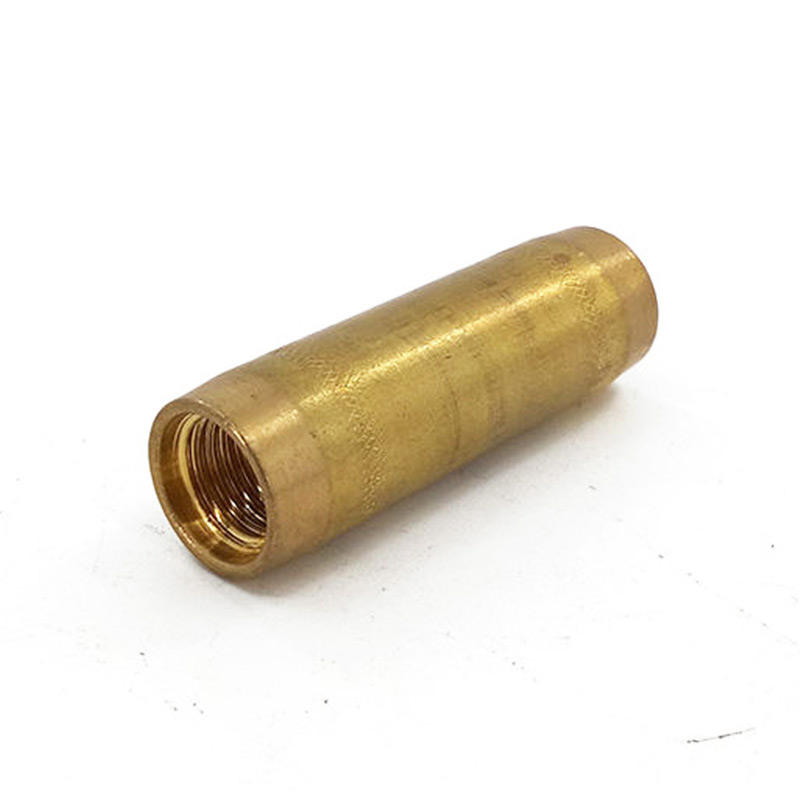
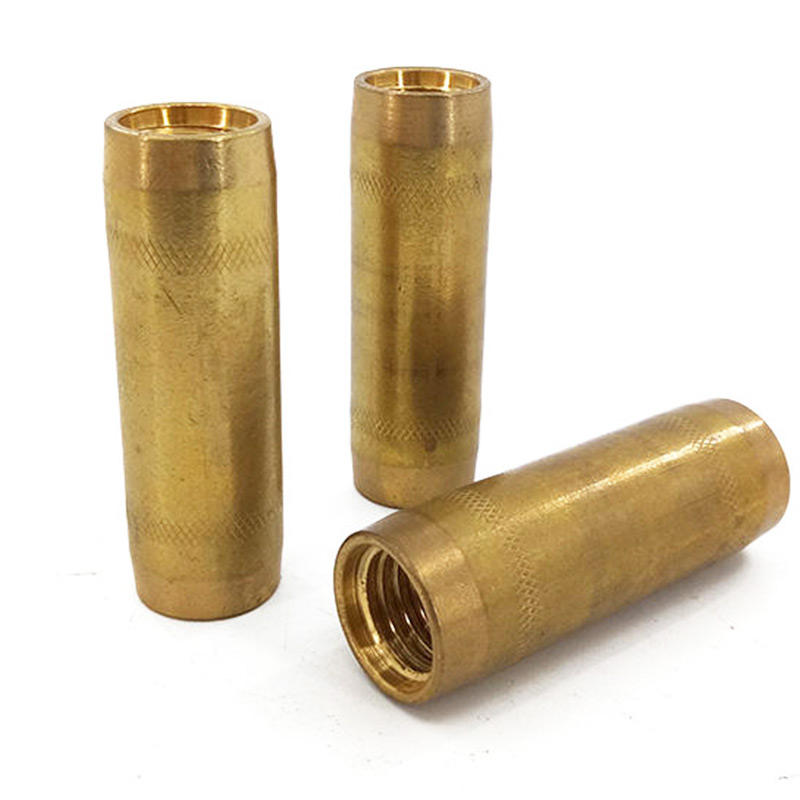
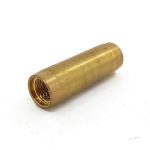
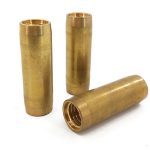
The ground coupling is what joins them: a threaded copper-alloy sleeve that screws onto the end of one ground rod and accepts the next, so rod after rod can be added and driven to the depth the soil needs. It’s the small accessory that turns a fixed-length rod into an electrode as deep as your ground resistance requires. This page covers ground couplings: why depth matters, how the coupling and thread work, and how to specify one.
Why Couple Rods: Depth = Lower Resistance
The reason to couple rods is earthing performance:
- Earth resistance falls with depth: Deeper soil holds more moisture and is more consistently conductive than the surface layers (which dry out and freeze). Driving the electrode deeper reaches that better soil and lowers the earth resistance the number your earthing design has to meet.
- A single rod may not get there: A standard rod length often can’t reach the depth needed to hit the target resistance, especially in dry, rocky, or high-resistivity ground.
- Coupling extends the electrode: Joining rods with a coupling lets you drive as deep as needed 2, 3, or more rods coupled in series to reach the moist, low-resistance soil and meet the spec.
So the coupling isn’t just a joiner it’s how you achieve the earth resistance the installation requires when one rod won’t. Where the ground is difficult, coupled deep-driven rods are often the way to a compliant earth.
How the Coupling Works and the Thread Match
The coupling is a threaded sleeve, and the thread is the critical detail:
- The coupling has internal threads that must match the ground rod’s end thread the rod is threaded at each end, the coupling screws onto one rod and accepts the next, joining them into a continuous electrode.
- A driving stud (or driving nut/cap) goes on top during driving, so the hammer/driver strikes the stud, not the thread protecting the coupling’s and rod’s threads from the driving impact. The coupling and driving accessories work as a set.
- Once driven, the coupling holds the rods together mechanically and carries the earth current across the joint so it must be solid and conductive.
The thread match is what makes it work: a coupling threaded for your rod joins cleanly; a mismatched thread won’t. So the coupling is specified to the rod same thread, same diameter.
Why the Material Is Right (and Why It Matters)
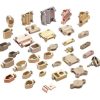
The image shows copper alloy / bronze the correct grounding-duty material:
- It’s conductive, so the joint carries the earth current well, and corrosion-resistant in soil, so the buried joint stays good.
- It’s compatible with copper and copper-bonded rods no galvanic couple to corrode the connection where the rods meet.
Because the coupling is buried and part of the current path, a corroded or mismatched joint would raise the earth resistance over time so the copper-alloy material is what keeps the deep electrode performing. We confirm the coupling suits your rod’s material, because on the earth path it’s a safety matter.
Why Buyers Choose DAPENG Ground Couplings
- Thread-matched to your rod: Threaded to join your ground rods cleanly confirmed at RFQ.
- Copper-alloy, corrosion-resistant: The right material for a conductive, durable, compatible buried joint.
- Driving accessories to match: With the driving stud/nut that protects the thread while driving, so rods go down without damaging the joint.
- Enables the depth you need: Couple as many rods as the soil requires to reach the target earth resistance.
- Part of the earthing set: Couplings with the ground rods, rod clamps, and bonding clamps from one source, all compatible.
Use-Case Deep Dive
When do I need to couple rods?
When a single rod can’t reach the earth resistance your design requires common in dry, rocky, sandy, or high-resistivity ground where the surface soil is poorly conductive and you have to drive deep to hit moist soil. You couple a second (and third, and more) rod to the first and drive them as one, going as deep as needed to meet the spec. If a single rod already meets your resistance, you don’t need to couple; where it doesn’t, the coupling is the way down. Tell us your target resistance and ground and we’ll advise the rods and couplings.
How does driving work without wrecking the thread?
With a driving stud (or driving nut/cap). The stud screws into the top coupling and takes the hammer blows, so the impact goes through the stud into the rods not onto the exposed thread, which would deform it. After driving that section, the stud comes off, the next rod couples on, the stud goes back on top, and driving continues. The coupling and driving stud are designed together for exactly this, so rods couple and drive without thread damage.
Does the coupling have to match my exact rod?
Yes same thread and diameter. The coupling screws onto the rod’s threaded end, so it’s made to that thread; a coupling for a different thread or diameter won’t join your rods. Send us the rod (diameter and thread, or just buy the rods and couplings together) and the coupling matches. Buying the rods and couplings as a set guarantees the thread match.
Specifications and What They Mean for You
| Specification | What we supply | What it means for the buyer |
|---|---|---|
| Function | Joins ground rods end-to-end | Drives the electrode deeper |
| Material | Copper alloy / bronze | Conductive, corrosion-resistant, compatible |
| Thread | Matched to your rod | Joins your rods cleanly |
| Rod diameter | To your rod | Fits your ground rod |
| Driving | With driving stud/nut | Drives without thread damage |
| Rating | Carries earth current | Solid joint in the earth path (tested) |
Straight Answers to Common Buyer Concerns
“Why would I couple rods instead of using one?” To reach a lower earth resistance. Earth resistance falls as you drive deeper into moister, more conductive soil, and a single rod often can’t reach the depth to meet the spec especially in dry or rocky ground. Coupling rods lets you drive as deep as needed to hit the target resistance. If one rod already meets your spec, you don’t need to couple; where it doesn’t, the coupling is how you go deeper.
“Will the coupling fit my ground rods?” If it’s thread- and diameter-matched to them, yes the coupling screws onto the rod’s threaded end, so it has to match that thread. Send us the rod (or buy the rods and couplings together) and we match them. A coupling for a different thread won’t join your rods, so the match is the spec to confirm.
“How do we drive coupled rods without damaging the threads?” With the driving stud that takes the hammer blows in place of the exposed thread. It screws into the top coupling, absorbs the driving impact, and comes off to add the next rod. The coupling and stud are made to work together so rods couple and drive without deforming the threads.
Complete the Earthing System
- Ground rods the earth electrode the coupling extends (the earthing hub)
- Copper grounding rods and HDG grounding rods the rod types
- Ground rod clamps bond the earth conductor to the rod
- I-beam grounding clamps and strand ground clamps bonding to steel and strand
- Browse all pole line hardware and overhead line fittings
Get a Rod-Matched Quote Within 24 Hours
Send your ground-rod diameter and thread (or the rod type), how deep you need to drive (or your target earth resistance), and quantities. Our team confirms the coupling, thread, material, and driving accessories, and returns a factory-direct quotation with the rods and earthing hardware alongside, typically within one working day.
After You Order
Thread, material, and fit confirmation before production, documentation with shipment, couplings matched to your rods and kitted with the driving accessories and earthing hardware, and an engineering contact who answers precisely because the coupling drives the electrode deeper to the earth resistance you need, and getting the thread and material right is what keeps the deep earth solid.