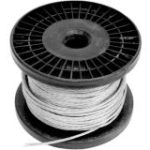
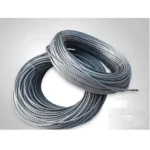
Description
The Strand That Holds the Pole
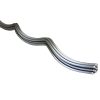
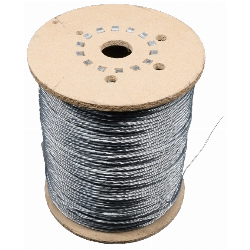
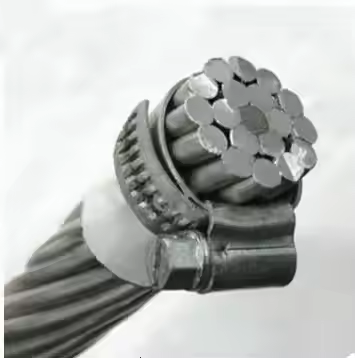
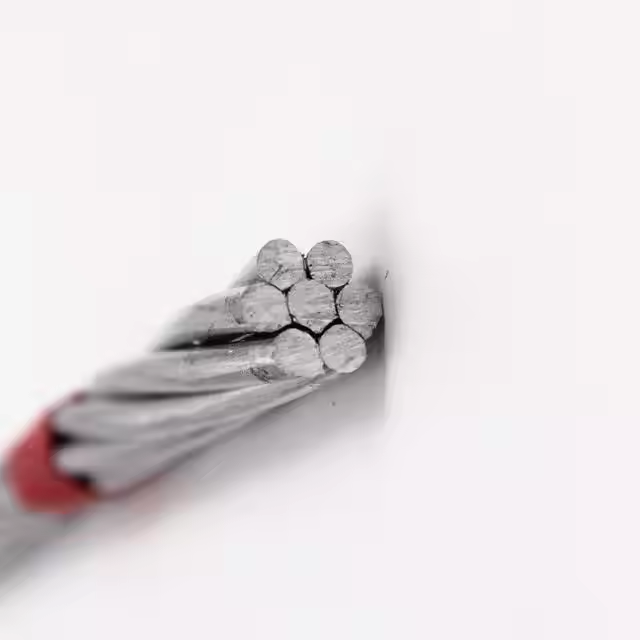
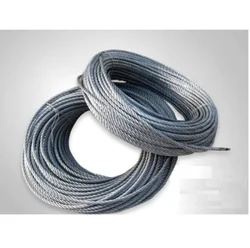
A pole carrying a line is pulled sideways by the tension of the conductors, by wind, or by the change of direction at an angle. Left unbraced, it would lean or fall. The guy wire stops it: a stranded galvanized steel cable run from the pole down to an anchor in the ground, taking that pull in tension and holding the pole upright and straight. It’s the strand that does the holding; everything else in the stay terminates, isolates, or anchors it.
Guy wire (guy strand, stay wire) is a workhorse product, but not an undifferentiated one: it comes in strength grades and zinc coating classes, and matching those to your load and environment is what makes a stay that holds and lasts. This page covers guy wire grades and classes, how to choose, and the complete stay it’s the center of.
Two Things to Specify: Strength Grade and Zinc Class
Guy strand is specified on two axes, and both matter:
1. Strength grade (how much it holds): Guy strand comes in strength grades commonly to ASTM A475 (Utilities, Common, Siemens-Martin, High-Strength, Extra-High-Strength) each a higher breaking strength for the same size. The grade must give a breaking strength above your guy’s working tension with your standard’s margin, because the strand holds the pole and must not be the weak point.
2. Zinc coating class (how long it lasts): The strand is galvanized, and the zinc class (e.g. Class A / B / C to ASTM A475) sets how much zinc protects it a heavier class lasts longer in the weather and in aggressive environments.
So specifying guy wire means giving the size/grade (for strength) and the zinc class (for life). A coastal or industrial site wants a heavier zinc class; a high-tension guy wants a higher strength grade. Send the working tension and the environment and we’ll confirm both.
The Whole Stay, Built Around the Strand
Guy wire is the center of an assembly and buying the strand with everything that goes on it means the whole stay is matched:
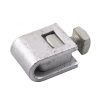
- Terminated at each end by guy grips (preformed) or guy clamps (bolted).
- Joined, where a run exceeds a reel, by strand splices.
- Isolated, where it runs near conductors, by stay / guy strain insulators.
- Anchored at the ground by anchor rods and ground anchors.
- Attached to the pole by guy hooks.
- Bonded to earth, where required, by strand ground clamps.
Every one of these is matched to the strand’s size and grade so supplying them together means the terminations grip, the insulator is rated, the anchor holds, all to the same strand. That’s the “complete stay from one source” advantage, and the strand is where it starts.
Why Buyers Choose DAPENG Guy Wire
- Grade matched to your load: Strength grade giving a breaking strength above your guy tension with your margin so the strand holds the pole.
- Zinc class matched to your environment: Coating class for the service life your site needs heavier for coastal/industrial, standard for benign.
- Consistent, tested strand: Galvanized guy strand to ASTM A475 (or your standard), with test documentation.
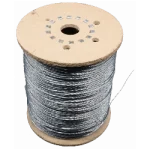
- Supplied by the reel, to length: In the reel sizes and lengths your job needs.
- The complete stay: Guy wire with the grips, clamps, splices, insulators, and anchors matched to the strand and kitted.
Use-Case Deep Dive
Which strength grade do I need?
The grade whose breaking strength exceeds your guy’s working tension with your standard’s safety margin. Guy tension depends on the pole, the line tension, the guy angle, and the loads your design sets it, and the strand grade is chosen above it. A light distribution guy may use a Common or Utilities grade; a heavily-loaded or transmission guy steps up to High- or Extra-High-Strength. Send the working tension and we’ll confirm the grade and size on datasheet strengths, since the strand holds the pole.
Which zinc class and does it matter?
It matters for service life, especially in harsh environments. The zinc class sets the coating weight: a heavier class (e.g. Class C) lasts longer in coastal, industrial, or high-corrosion settings; a standard class (Class A) suits benign environments at lower cost. Matching the class to the environment is how the strand lasts as long as the pole. Tell us the site and we’ll advise the class.
Can you supply the strand and everything that goes on it?
Yes that’s the point of buying the guy wire here. The strand with its grips or clamps, any splices, the insulator where needed, and the anchor rod and anchor all matched to the strand’s size and grade and kitted as a complete stay. One order, everything fits, the whole stay to the same spec.
Specifications and What They Mean for You
| Specification | What we supply | What it means for the buyer |
|---|---|---|
| Type | Stranded galvanized steel guy strand | Holds the pole against the line’s pull |
| Strength grade | ASTM A475 grades | Breaking strength above your guy tension |
| Zinc class | Class A/B/C | Service life matched to your environment |
| Size | To your load | The strand for your tension |
| Standard | ASTM A475 / your spec | Passes your specification review |
| Supply | Reels / lengths | The quantity your job needs |
Straight Answers to Common Buyer Concerns
“Which guy wire do we need?” Two choices: the strength grade (a breaking strength above your guy’s working tension with your margin the strand holds the pole, so it’s sized above the load) and the zinc class (the coating for your environment’s service life heavier for coastal/industrial). Send the working tension and the site and we’ll confirm both the grade and the class.
“Will it hold the pole?” It will if the grade is right the strand’s breaking strength is chosen above the guy’s working tension with your standard’s safety margin, tested and documented, so the strand isn’t the weak point in the stay. That’s the whole basis of specifying it. Send the tension and we confirm the grade and its strength.
“Can you supply the whole stay, not just the wire?” Yes the guy wire with the grips/clamps, splices, insulators, anchor rods, and anchors, all matched to the strand and kitted, so the complete stay comes from one source to one spec.
Complete the Stay
- Guy grips and guy clamps terminate the strand
- Strand splices join two lengths
- Stay insulators and guy strain insulators isolate the guy
- Anchor rods, ground anchors anchor the strand
- Guy hooks attach to the pole
- Strand ground clamps bond the guy to earth
- Browse all pole line hardware and overhead line fittings
Get a Load-Matched Quote Within 24 Hours
Send your guy working tension (or the pole/line/angle), the site environment, your standard, the length/quantity, and whether you want the complete stay. Our engineers confirm the strand grade and zinc class and return a factory-direct quotation with the stay hardware alongside, typically within one working day.
After You Order
Grade, class, and length confirmation before production, test and galvanizing documentation with shipment, strand matched to its stay hardware and kitted, and an engineering contact who answers precisely because the guy wire holds the pole, and getting the strength grade and the zinc class right is what keeps the pole standing and the stay lasting.