This comprehensive guide explores the critical role of the Alley Arm in modern electrical grids, explaining its unique side-mounted design, technical specifications, and why it is the go-to solution for narrow infrastructure projects in the USA, UK, Pakistan, and across Asia.
In the world of electrical engineering, space is often the biggest challenge. When you are trying to bring electricity into a crowded city center or a narrow residential street, a standard horizontal cross arm simply won’t fit. This is where the Alley Arm becomes the hero of the utility pole. By allowing wires to be mounted securely on just one side of the pole, this specialized steel hardware ensures that power reaches homes and businesses safely without interfering with nearby buildings or traffic. In modern cities, where every inch of space matters, this smart design plays a critical role in maintaining reliable power distribution.
An Alley Arm is a side-mounted steel cross arm used on utility poles to support and separate electrical conductors in tight spaces where traditional cross arms cannot fit. It is widely used in urban environments across the USA, UK, Pakistan, and Asia where space is limited but reliability is essential. Because of its practical design and strong structural support, it has become a standard solution in modern electrical infrastructure projects.

The Struggle of Tight Spaces in Modern Power Grids
Have you ever looked at a utility pole in a cramped city alley and wondered how engineers manage to fit multiple wires without hitting surrounding walls? The challenge is simple: traditional cross arms extend on both sides of a pole, requiring a wider right-of-way. In dense cities like New York, London, Lahore, and Karachi, that space is often unavailable, creating serious challenges for utility providers.
If a standard setup is forced into such areas, it increases the risk of electrical faults, fire hazards, and ongoing maintenance issues. The Alley Arm solves this problem by offering a space-efficient design while maintaining high safety standards for power distribution systems. As urban populations continue to grow, the density of buildings increases, which creates what engineers often call a “vertical challenge.” More power must be delivered through the same limited corridors, and without a side-mounted solution like the Alley Arm, outages caused by wire-to-structure contact would become far more frequent.
What Exactly is an Alley Arm?
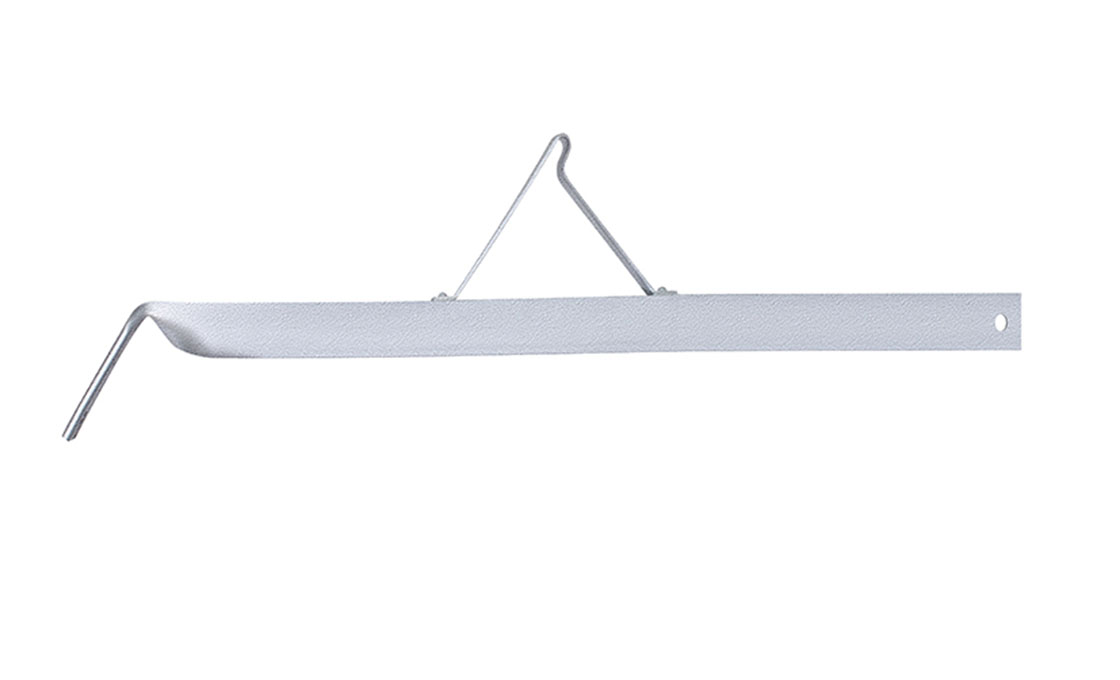
An Alley Arm, also known as a side cross arm or brace-supported arm, is a structural bracket made from heavy-duty galvanized steel. Unlike traditional cross arms that are centered, this design is mounted on one side of the pole and supported with a strong diagonal brace. This unique structure allows power lines to run parallel to buildings and infrastructure without extending into restricted areas.
The Anatomy of an Alley Arm
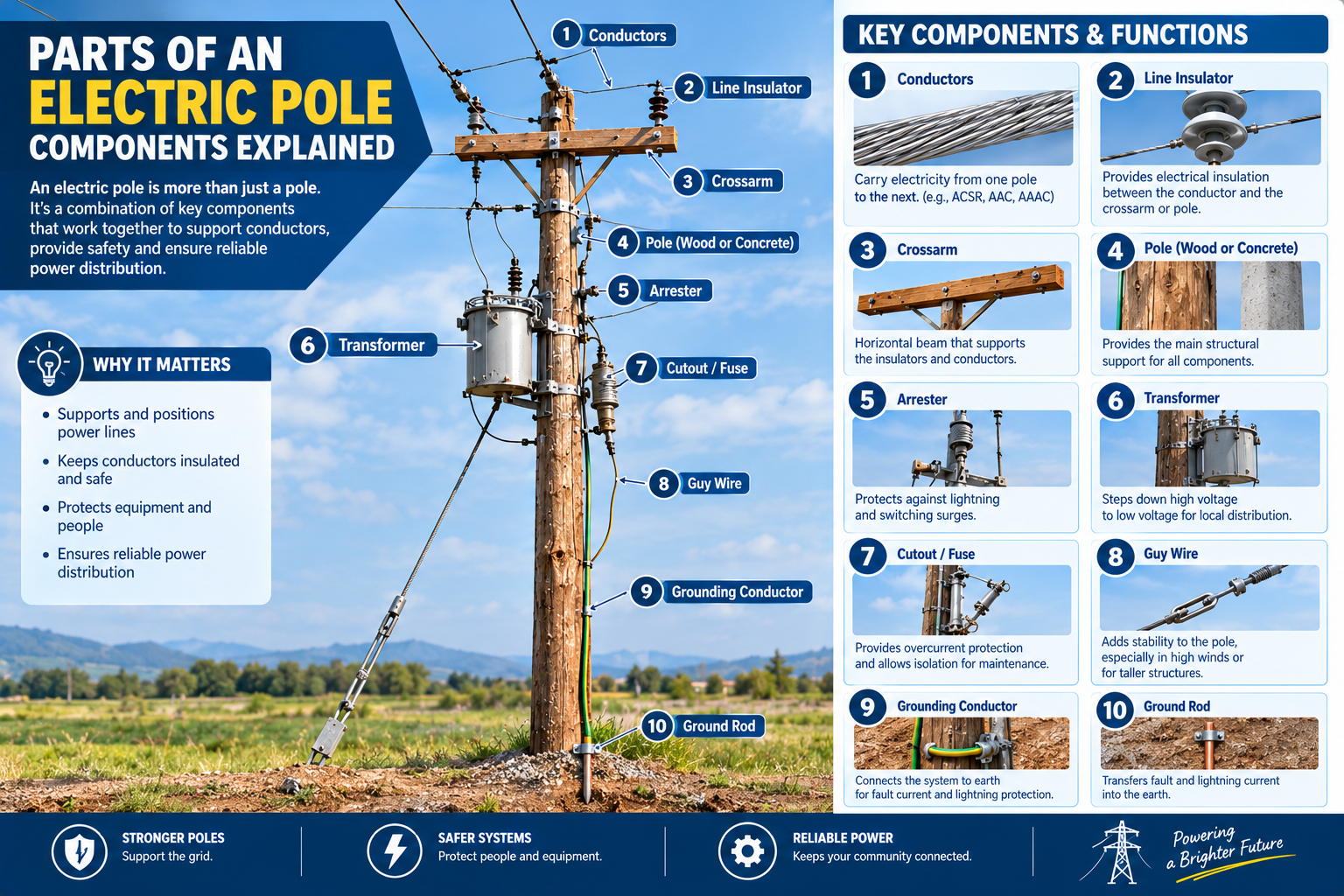
To understand why it performs so effectively, it is important to examine its key components. The main steel beam is typically made from angle iron or channel steel and is responsible for holding the insulators and electrical conductors securely in place. The pole mounting bracket is a reinforced section that ensures the arm is firmly attached to the utility pole, providing a stable base for the entire structure.
The diagonal brace is the most critical component, as it connects the outer tip of the arm back to the pole and forms a triangular support system. This triangular geometry significantly improves load distribution and prevents bending or failure under stress. In addition, precision-drilled insulator holes are included to meet specific voltage requirements such as 11kV or 33kV systems, ensuring proper spacing and safety compliance.
Why the Alley Arm is Essential for Urban Infrastructure
As cities continue to expand, the demand for electricity rises while available space becomes more restricted. This is why the Alley Arm has become a preferred solution for modern infrastructure projects across both developed and developing regions.
The first major advantage is its ability to navigate right-of-way restrictions. Utility companies must operate within strict legal boundaries, and any extension into private or restricted areas can lead to penalties or project delays. The side-mounted design ensures that electrical lines remain within permitted zones, reducing legal risks and simplifying installations.
Another key benefit is improved safety for buildings and residents. In crowded environments, electrical lines placed too close to structures can create serious hazards. A high-voltage arc could jump to nearby metal surfaces, posing a risk of fire or electrocution. By shifting conductors away from buildings, the Alley Arm significantly reduces these dangers and enhances overall system safety.
The flexibility of installation also makes this component highly valuable. It can be used on steel, concrete, or wooden poles, making it suitable for a wide range of environments. This adaptability allows engineers to overcome obstacles such as trees, signboards, and existing infrastructure without compromising system performance.
Technical Features: What Makes a High-Quality Alley Arm?
When sourcing Steel Alley Arms, quality is a critical factor that directly impacts performance and longevity. A well-manufactured Alley Arm ensures durability, safety, and consistent operation over decades.
High-Quality Galvanization (ASTM A153)
Since these arms are constantly exposed to weather, they must be hot-dip galvanized. This process involves dipping the steel into molten zinc, creating a thick protective layer that prevents rust. In humid or coastal areas, this coating ensures the product maintains strength and longevity.
Load-Bearing Strength and Tensile Testing
Because all the load is on one side, the arm must withstand significant cantilever stress. High-quality Alley Arms are engineered and tested to resist:
- Vertical Loads: Weight of heavy conductors and ice buildup.
- Transverse Loads: Force of wind against the wires.
- Longitudinal Loads: Tension in the case of a conductor break.
Precision Engineering
Pre-drilled, CNC-machined holes guarantee perfect alignment for insulators and braces. Smooth edges prevent damage to wires and ensure the safety of lineworkers.
The Role of the Diagonal Brace in Stability
The diagonal brace is the key to supporting a side-mounted arm. By forming a triangle with the pole and arm, it converts downward force into compression against the pole, making the structure capable of holding thousands of pounds of tension safely. This is what allows a relatively light steel component to endure heavy loads without bending or failure.
Detailed Installation Guide: Step-by-Step
Phase 1: Site Survey
Engineers measure clearance distances to buildings, trees, and other obstacles. Compliance with local regulations ensures safety and legal adherence.
Phase 2: Mounting the Main Arm
The arm is lifted using a pulley or crane, aligned with the pole’s pre-drilled holes, and secured using high-strength galvanized bolts.
Phase 3: Attaching the Brace
The diagonal brace is fastened to the outer tip of the arm and the pole. Curved washers or gain washers ensure a snug fit against round poles.
Phase 4: Final Leveling and Tensioning
A level is used to ensure the arm is perfectly horizontal, guaranteeing proper insulator placement. Bolts are torqued to manufacturer specifications.
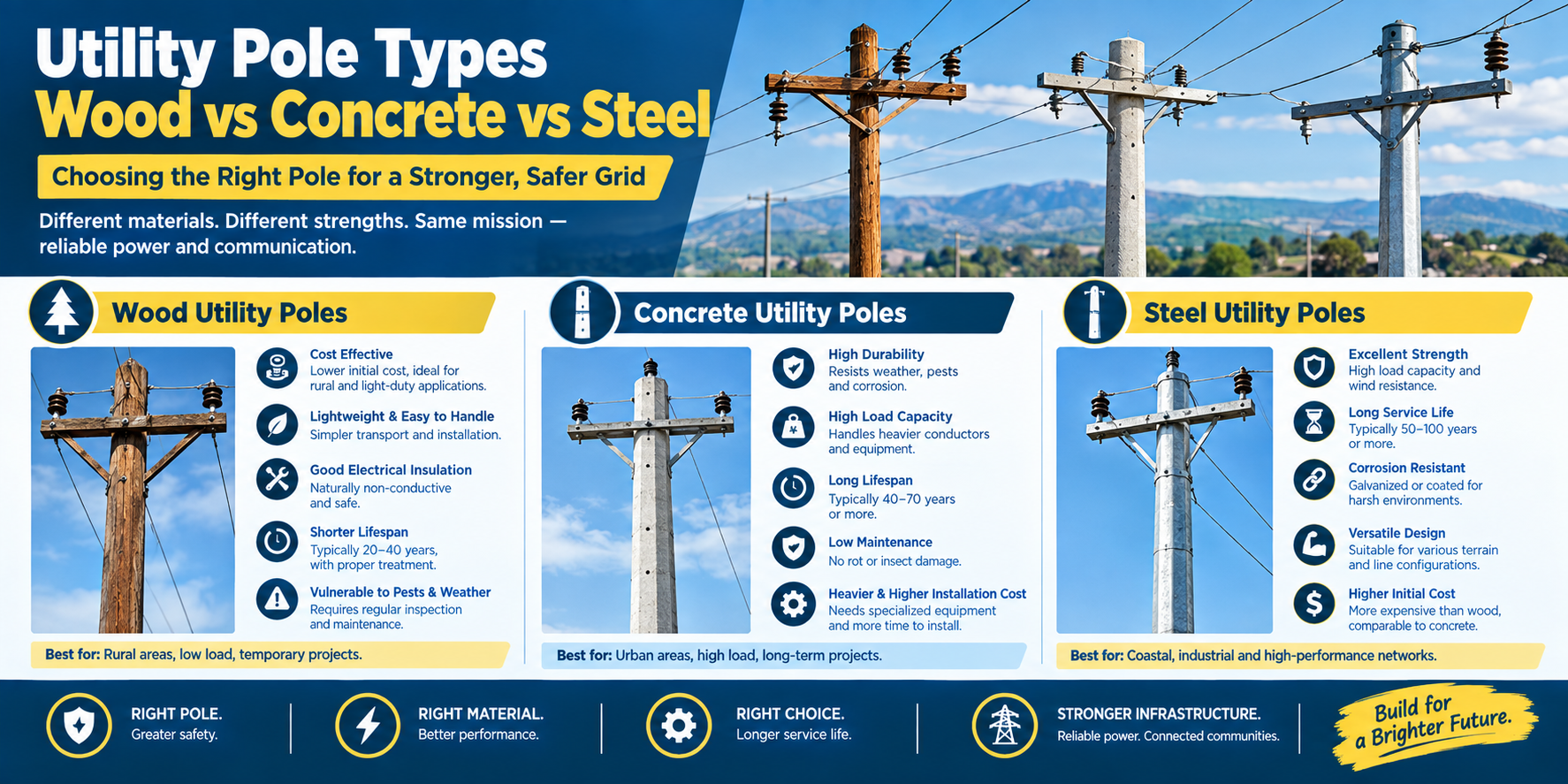
Steel vs. Wood: The Big Shift in Asia and Pakistan
Wooden cross arms were widely used in Pakistan, India, and Bangladesh due to their lower initial cost. However, modern infrastructure demands stronger and more reliable materials. Steel now dominates because:
- Durability: Steel does not rot, warp, or degrade over time.
- Termite Resistance: Tropical pests cannot damage steel.
- Fire Resistance: Steel reduces fire hazards in electrical systems.
- Low Maintenance: Steel lasts 40–50 years, while wood lasts 10–15 years.
Environmental and Sustainability Impact
Steel Alley Arms are recyclable, reducing waste and conserving forests. Unlike chemically treated wood, galvanized steel does not leach harmful substances into soil, making it a sustainable, eco-friendly choice for modern infrastructure.
Common Mistakes to Avoid When Purchasing
- Ignoring Galvanization Quality: Ensure hot-dip galvanized steel meets international standards.
- Wrong Load Rating: Match the arm with your conductor type and environmental load.
- Missing Braces: Never buy an arm without its diagonal brace; they work as a pair.
FAQ Section
Q1: Can an Alley Arm support heavy 33kV electrical loads?
Yes, high-strength steel Alley Arms are used for 11kV and 33kV distribution lines. Heavy-duty bracing ensures safety.
Q2: How do you prevent rust in coastal areas?
Use extra-thick galvanization or a duplex coating (galvanization + powder coating) for maximum corrosion resistance.
Q3: Can Alley Arms be used on different pole types?
Yes. They work on steel, concrete, and wooden poles with proper mounting hardware.
Q4: Is the Alley Arm safer than a traditional cross arm?
In tight urban spaces, yes. It keeps high-voltage lines away from buildings and pedestrian areas.
Q5: What is the average weight of a 10-foot Alley Arm?
Depending on steel thickness, it ranges from 30kg to 55kg, including the brace.
Conclusion: The Ultimate Space-Saving Solution
The Alley Arm is more than just a piece of hardware; it is a critical engineering solution for modern urban power distribution. By choosing high-quality steel Alley Arms, utility providers ensure long-term durability, enhanced safety, and compliance with space limitations. Investing in quality materials today reduces maintenance costs, prevents outages, and provides reliable electricity for decades.