Overhead vs Underground Power Lines: Pros, Cons & Differences
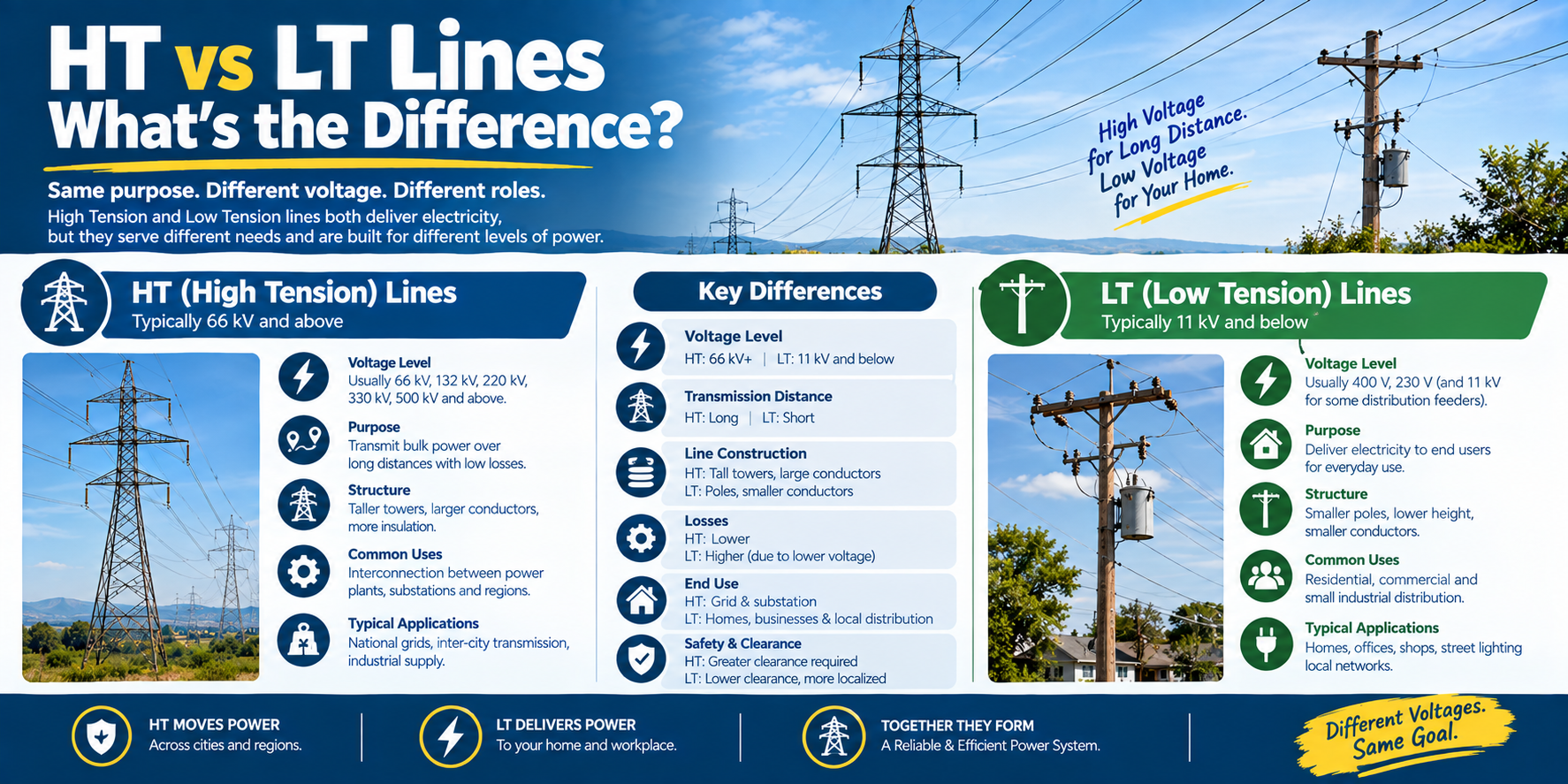
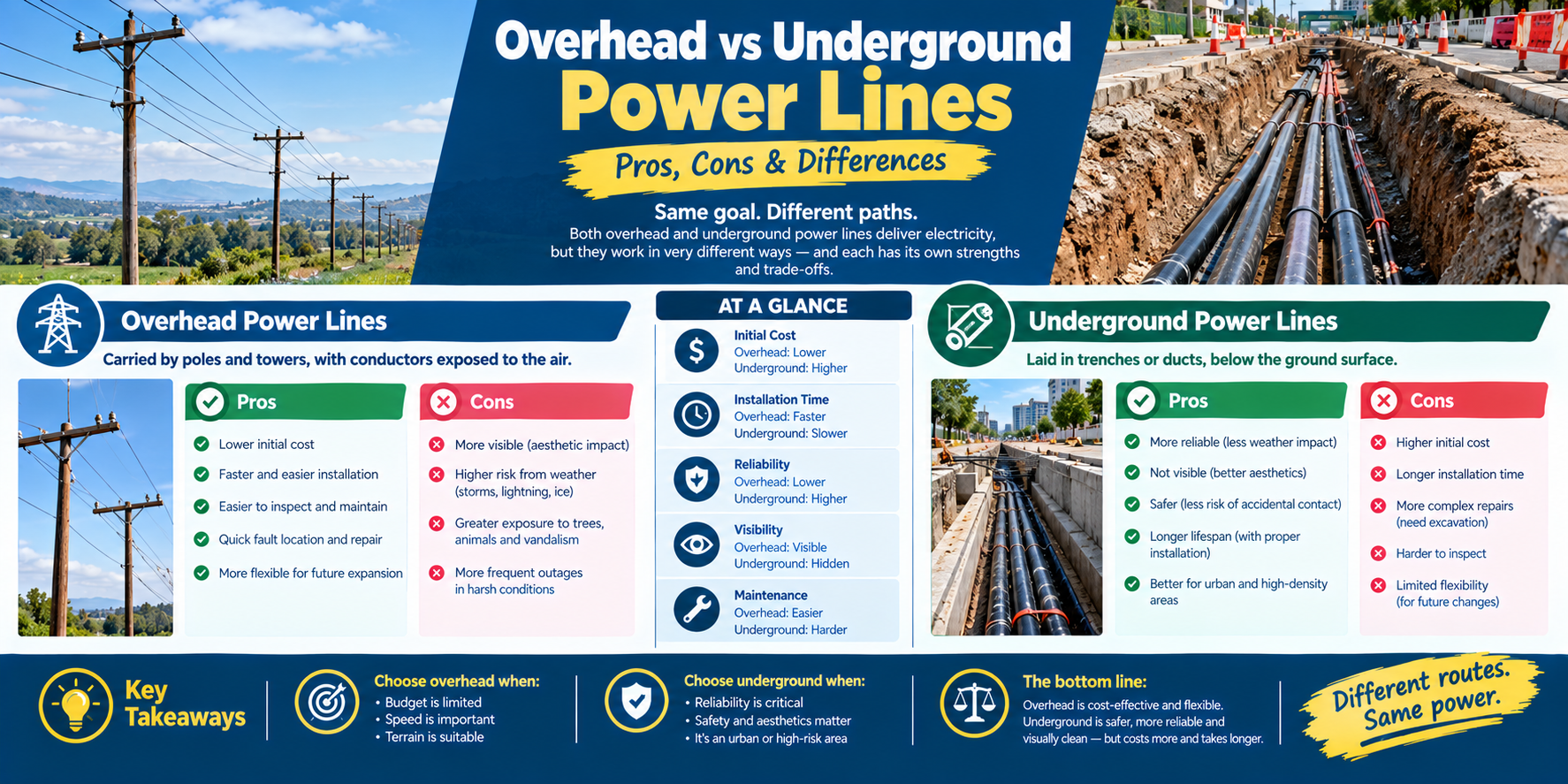
Overhead power lines run on poles and towers above ground; underground lines are buried cables. Overhead lines are much cheaper to install, easier and faster to build and repair, and easier to inspect and upgrade, but are exposed to weather, storms, and accidents. Underground lines are protected from weather and are out of sight, giving high reliability and no visual impact but cost far more to install, are slower and more expensive to repair, and are harder to upgrade. Overhead lines dominate for cost and practicality; underground is used in cities, sensitive areas, and where reliability or aesthetics justify the cost.
Whether to run power lines overhead or underground is a long-standing question in network design, and it comes down to cost versus protection. This guide fairly compares the two fairly pros, cons, and when each is used.
The Core Trade-Off: Cost vs Protection
The fundamental difference is simple:
- Overhead lines are cheaper and easier, but exposed.
- Underground lines are protected and hidden, but far more expensive.
Almost every difference below flows from that trade-off. Neither is universally better the right choice depends on cost, environment, reliability needs, and aesthetics.
Overhead Power Lines
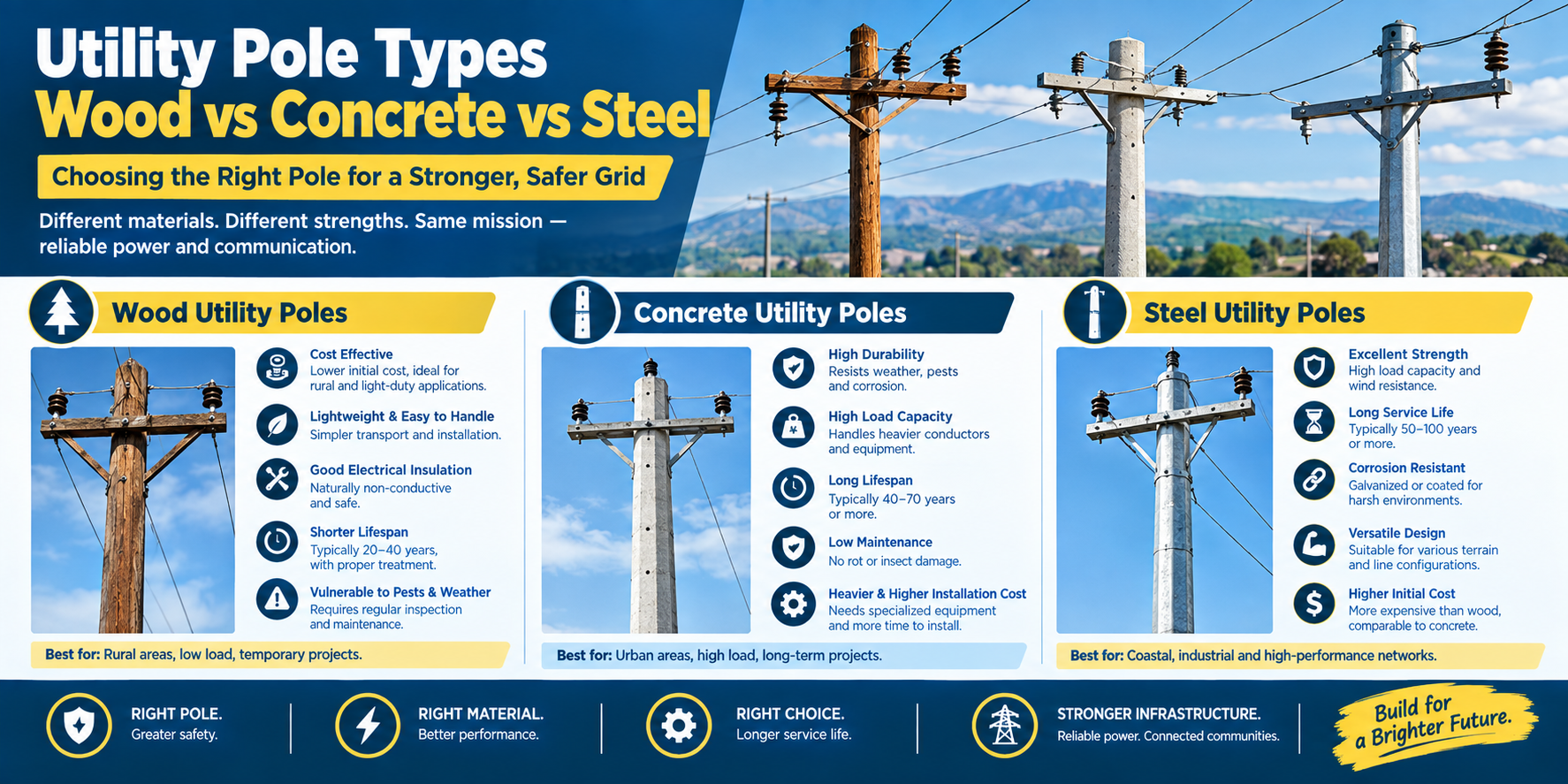
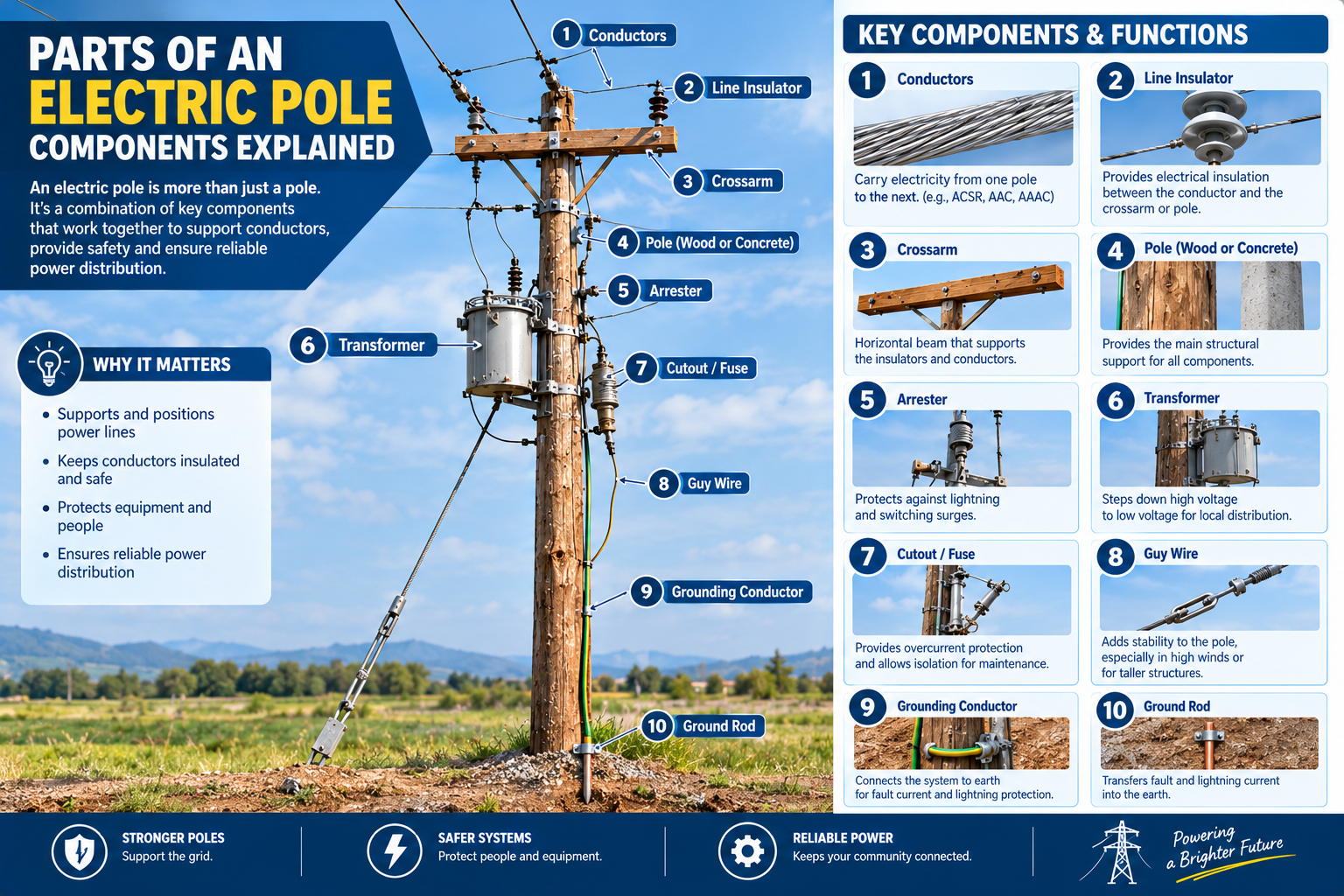
Overhead lines run conductors on poles and towers above ground, held by insulators and fittings.
Advantages:
- Much lower installation cost no trenching, and cheaper materials.
- Faster to build poles and conductors go up quickly.
- Easier to inspect faults and damage are visible.
- Easier and cheaper to repair access is straightforward.
- Easier to upgrade adding or reconductoring is simpler.
- Better heat dissipation air-cooled, so higher current capacity for the conductor.
Disadvantages:
- Exposed to weather wind, ice, lightning, and storms can cause faults.
- Vulnerable to accidents vehicle strikes, trees, animals.
- Visual impact poles and wires are visible.
Overhead is the default for most transmission and distribution because of its cost and practicality.
Underground Power Lines
Underground lines run insulated cables buried in the ground (in ducts or direct-buried).
Advantages:
- Protected from weather no wind, ice, or lightning exposure, so high reliability.
- Out of sight no visual impact, valued in cities and scenic areas.
- Safer from accidents not hit by vehicles or trees.
Disadvantages:
- Far higher installation cost trenching, ducts, and specialized cable are expensive (often several times the cost of overhead).
- Slower, costlier repairs faults are hard to locate and reach; digging is required.
- Harder to upgrade reconductoring means new cable and trenching.
- Lower current capacity buried cables dissipate heat less well than air-cooled overhead conductors.
Underground is used where reliability, safety, or aesthetics justify the higher cost dense urban areas, city centers, airports, and environmentally sensitive locations.
Overhead vs Underground at a Glance
| Overhead | Underground | |
|---|---|---|
| Installation cost | Low | High |
| Build speed | Fast | Slow |
| Weather exposure | Exposed | Protected |
| Reliability (weather) | Lower | Higher |
| Fault location & repair | Easy | Difficult |
| Upgrades | Easy | Hard |
| Visual impact | Visible | Hidden |
| Current capacity | Higher (air-cooled) | Lower |
| Typical use | Most networks | Cities, sensitive areas |
Why Overhead Still Dominates
Despite underground’s reliability and aesthetic advantages, overhead lines carry the vast majority of the world’s transmission and distribution because the cost difference is large, overhead is faster to build and repair, and it’s easier to inspect and upgrade. For most networks, especially over long distances and in developing infrastructure, overhead is the practical, economical choice. Underground is reserved for where its advantages are worth the premium.
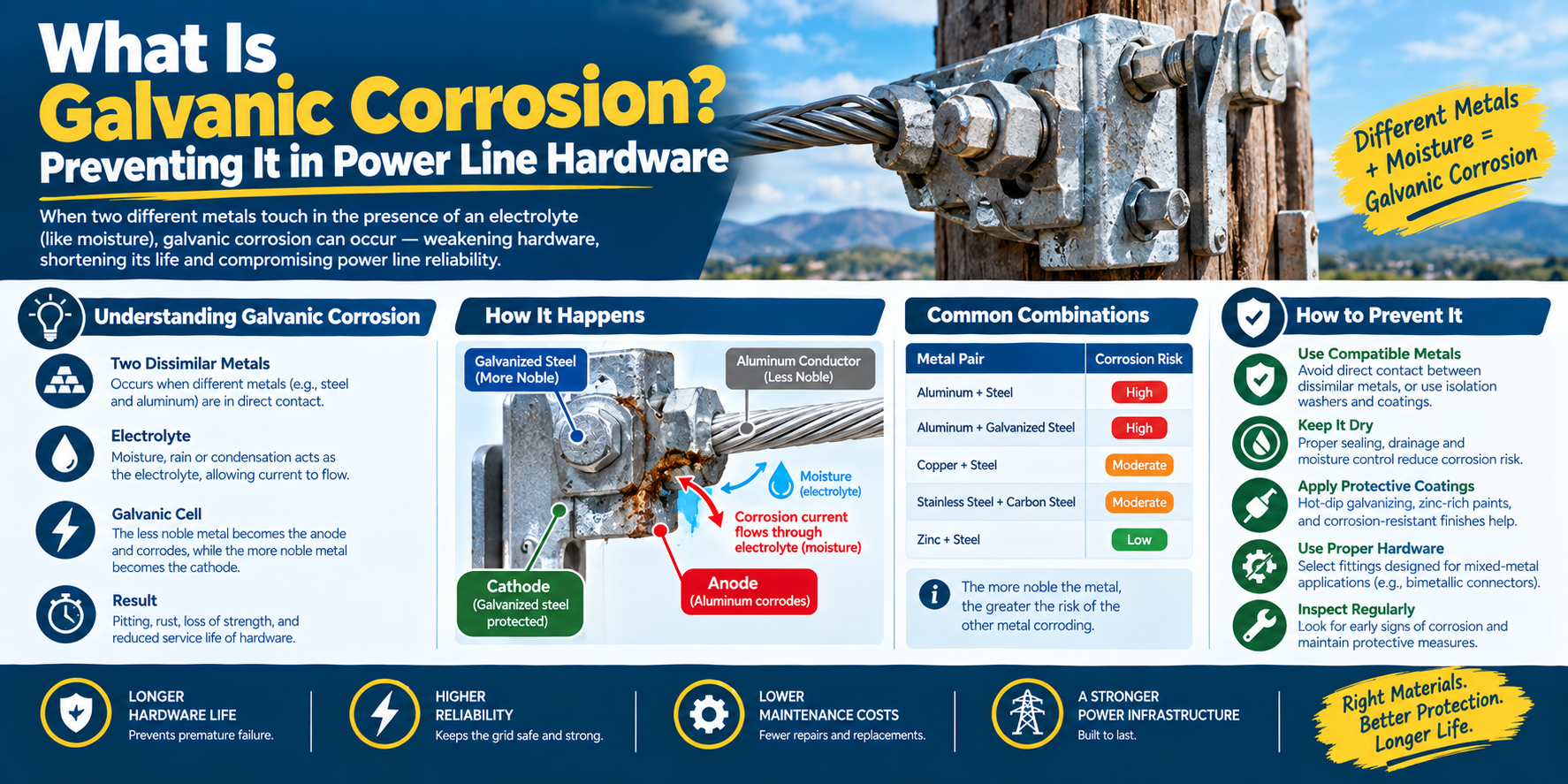
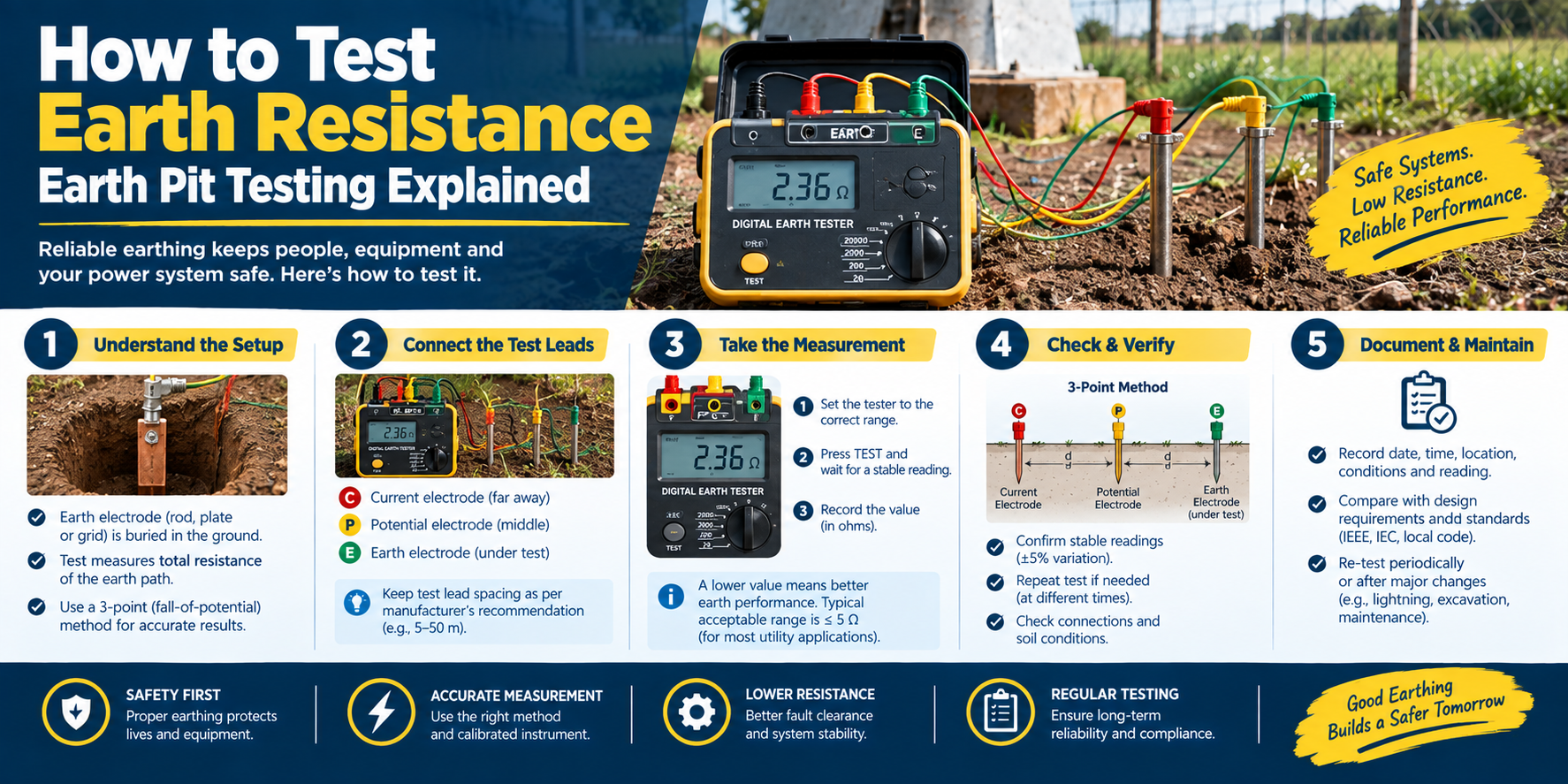
The hardware that makes overhead lines work the insulators, crossarms, conductor fittings, guys, and grounding is exactly what DAPENG Power manufactures.
Overhead vs Underground Power Lines: FAQ
What is the difference between overhead and underground power lines? Overhead lines run on poles and towers above ground; underground lines are buried cables. Overhead is cheaper, faster, and easier to inspect and repair but exposed to weather; underground is protected and hidden but far more expensive to install and repair. The trade-off is cost versus protection.
Are underground power lines better than overhead? Not universally they’re more reliable in weather and out of sight, but cost several times more to install, are slower and costlier to repair, harder to upgrade, and carry less current. Overhead is better for cost and practicality; underground is better where reliability or aesthetics justify the cost.
Why are most power lines overhead? Because overhead lines are much cheaper to install, faster to build, easier to inspect and repair, and easier to upgrade, with better heat dissipation for higher current capacity. For most networks, especially over long distances, these advantages make overhead the practical, economical choice.
When are underground power lines used? Where reliability, safety, or aesthetics justify the higher cost dense urban areas, city centers, airports, and environmentally sensitive or scenic locations. Underground avoids weather exposure and visual impact, which is valued in those settings despite the expense.
Are overhead lines more reliable than underground? Underground lines are generally more reliable against weather (no wind, ice, or lightning exposure), but when a fault does occur, it’s much harder and slower to locate and repair. Overhead faults are more frequent (weather-exposed) but far quicker to find and fix. Reliability depends on how you weigh frequency versus repair time.
Why do overhead lines carry more current than underground? Overhead conductors are cooled by the surrounding air, so they dissipate heat well and can carry more current. Buried underground cables dissipate heat less effectively (surrounded by soil/ducts), so for the same conductor they carry less current. Air cooling is an advantage of overhead lines.
The Bottom Line
Overhead and underground power lines trade cost against protection: overhead is much cheaper, faster, and easier to inspect, repair, and upgrade but exposed to weather; underground is protected and hidden but far costlier to install and repair. Overhead dominates for its economics and practicality, while underground is used where reliability or aesthetics justify the premium.
DAPENG Power (DP Power Fitting) manufactures the complete hardware for overhead power lines insulators, crossarms, conductor fittings, guy and anchor hardware, and grounding built to IEC, ASTM, and ANSI standards. Tell us your line’s voltage and conductors, and we’ll specify the overhead hardware.