Description
Holding a Guy Through the Bearing Area of a Disk
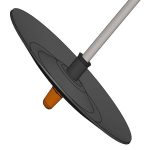
A guy anchor’s job is to resist the pull of a tensioned stay through the ground it’s set in, and different ground calls for different ways of developing that hold. Where the soil is soft to medium, one of the most effective approaches is a large bearing area: a steel disk set below grade that the soil has to be pushed through before the anchor can move. Spread the load over a big enough disk, and even ground that isn’t especially strong holds the guy securely.
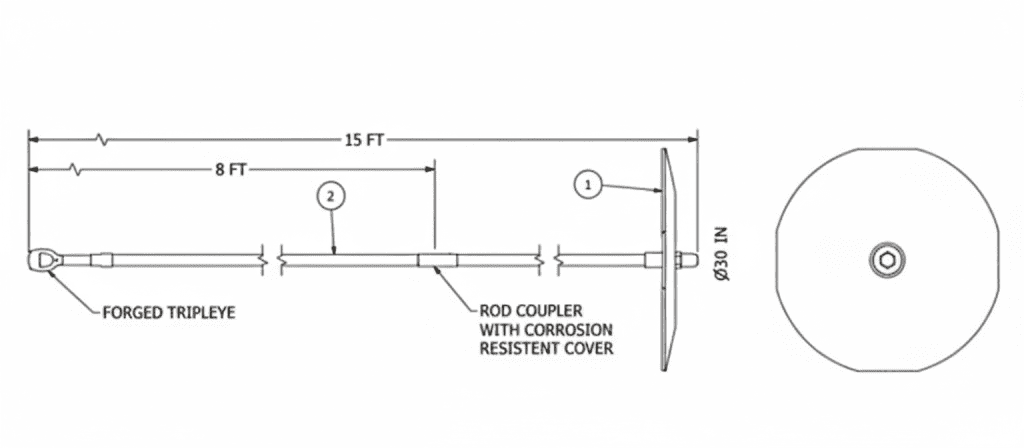
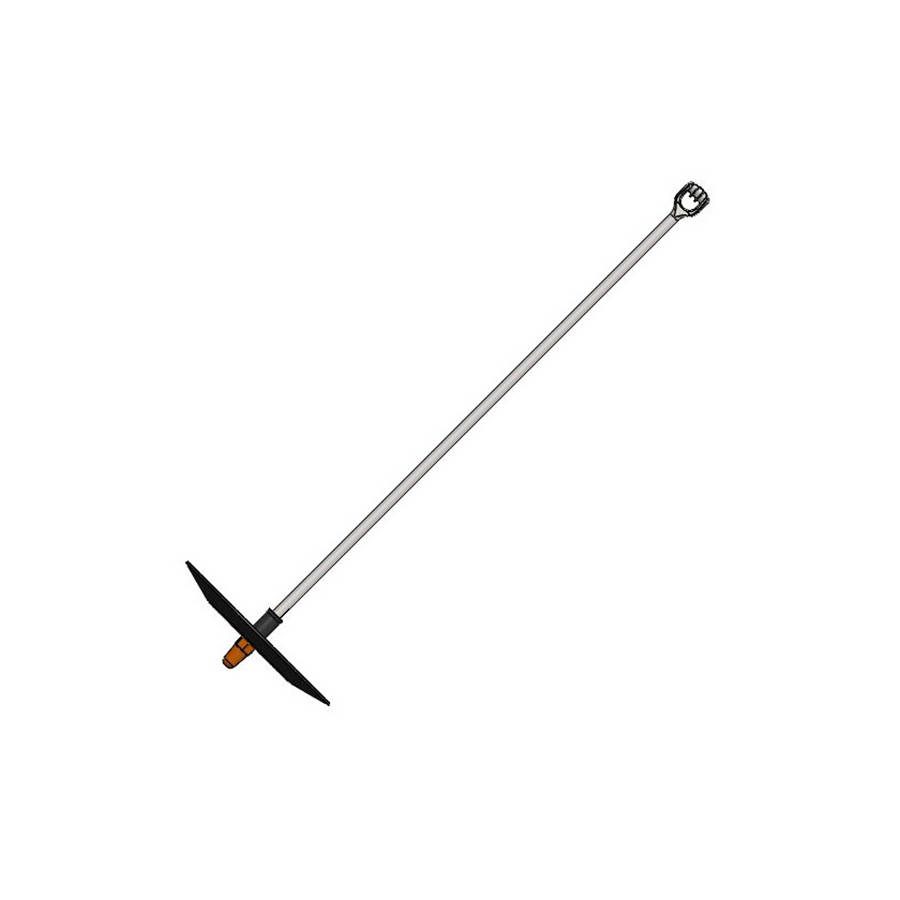
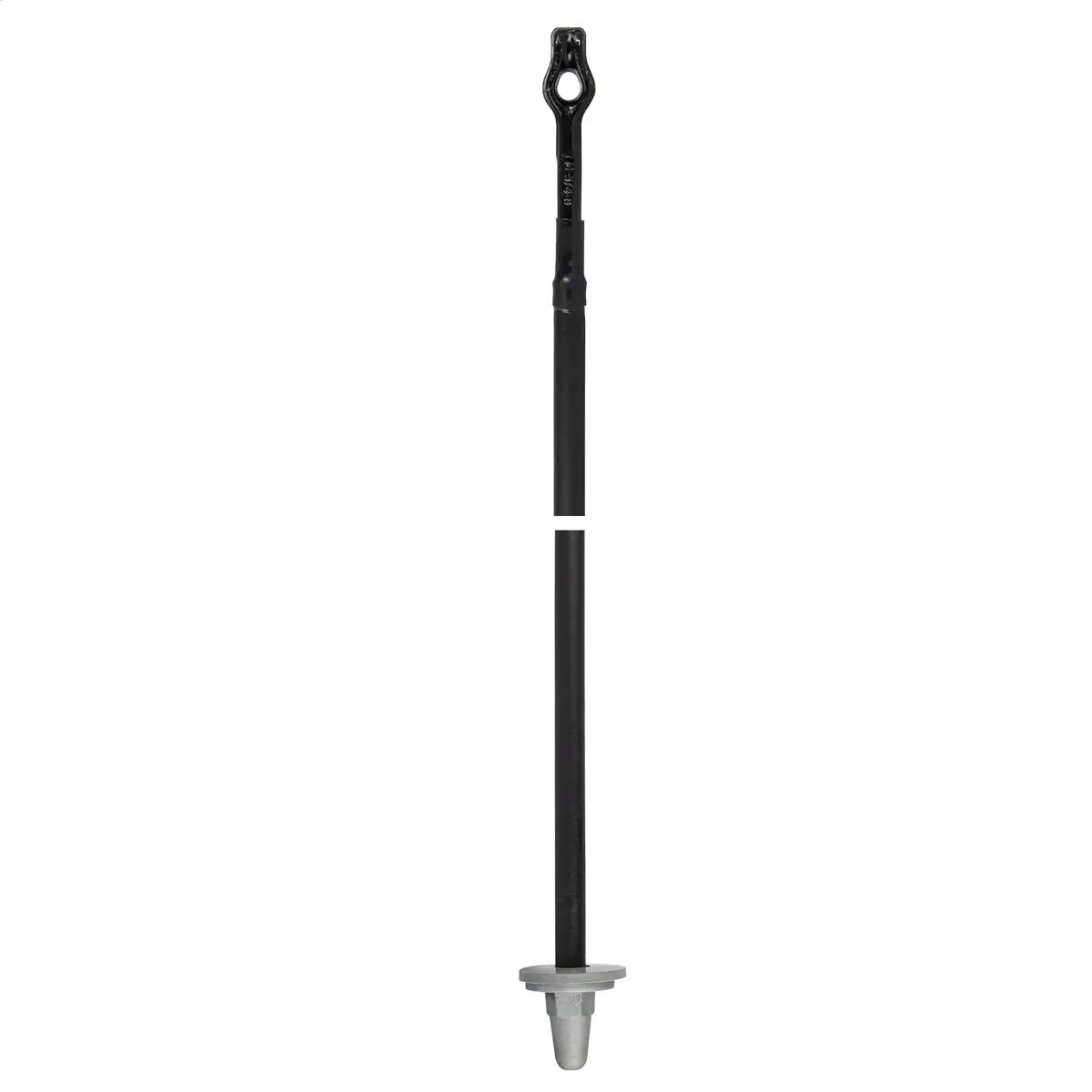
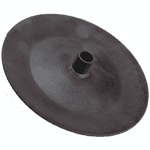
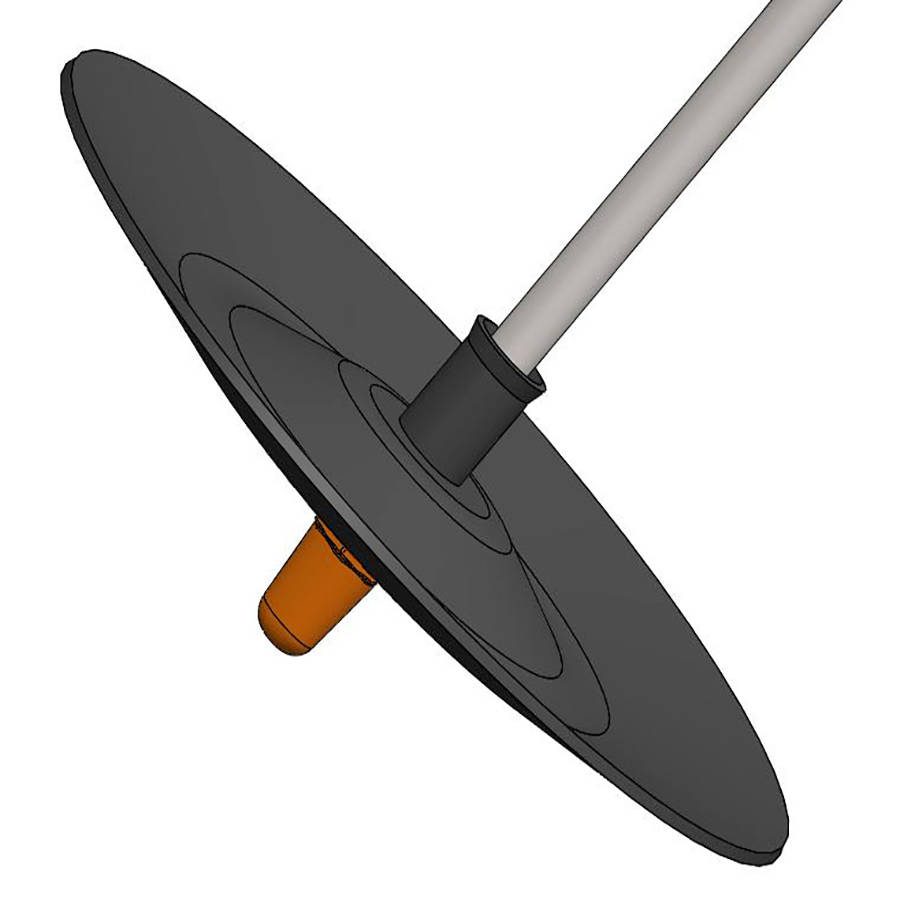
That’s the disk anchors: a galvanized rod with a bearing disk near its lower end, set below grade so the disk bears against the soil above it and resists the guy’s pull. The bigger the disk and the deeper it sits, the more soil it mobilizes, turning a broad bearing area into holding capacity in ground where a small anchor would pull out.
This page covers disk anchors: how the bearing hold works, when they’re the right choice, and how they connect to the guy.
How the Disk Anchor Holds
The disk anchor develops its hold from bearing area, not from gripping like a driven plate or a rock anchor:
- A steel disk is set below grade, on the anchor rod.
- Under the guy’s pull, the disk bears against the column of soil above it to move, the anchor would have to push that whole cone of soil out of the way.
- The larger the disk area (and the deeper it sits), the more soil it mobilizes, and the higher the holding capacity which is why a disk anchor works well in soft and medium soils: you size the disk to the soil’s strength.
Because the hold comes from the soil’s bearing resistance over the disk area, capacity depends on both the disk size and the soil strength a bigger disk in the same soil holds more, and the same disk holds more in stronger soil.
When Is a Disk Anchor the Right Choice?
The ground decides, and the disk anchor’s territory is soft to medium soils where bearing area holds best:
- Soft to medium soils → the disk anchor a bearing disk sized to develop hold where a small anchor would pull through.
- Most soils (fast, no excavation) → a driven plate/drive anchor.
- Rock or very hard ground → an expanding rock anchor.
- Suitable soils, screwed in → a screw anchor.
Matching the anchor to the ground is the key guy-anchor decision and the disk anchor’s strength is that its bearing area can be sized to the soil, so soft and medium ground that challenges other anchors can still develop a strong hold with a large enough disk. Send the soil and the guy load and we’ll size the disk and confirm the capacity.
Why Buyers Choose DAPENG Disk Anchors
- Bearing area sized to your soil: The disk sized so its bearing area develops the holding capacity your soil and guy load need the right disk for the ground, not a one-size default.
- Rated to your guy load: Holding capacity matched above your guy’s working tension with your margin.
- Hot-dip galvanized for buried service: Rod and disk galvanized for the below-grade soil environment, where the anchor lives for the life of the line.
- Matched to the guy assembly: The rod’s threaded/eye end to connect the eye nut, anchor rod extension, and guy grip above the whole stay from one source.
- The complete stay: Disk anchors with the guy wire, grips, clamps, and connection hardware matched and kitted.
Use-Case Deep Dive
Why a disk anchor in soft soil instead of a driven plate?
Both can work in soil, but the disk anchor’s large bearing area is well suited to soft and medium ground, where mobilizing a big cone of soil develops good holding capacity even when the soil isn’t strong. A driven plate anchor is fast and excellent across most soils; the disk anchor’s advantage is that its bearing area can be sized up to suit softer ground specifically. In practice the choice depends on the soil, the install method available, and your utility’s preference tell us the ground and we’ll advise.
How is a disk anchor installed?
Depending on the type, either driven to depth, or set in an augured/dug hole and backfilled so the disk bears at the design depth. The install method affects the holding behavior (a backfilled anchor bears on the replaced soil above the disk; a driven one on undisturbed ground), so it’s specified with the anchor.
How does the disk anchor connect to the guy?
Through the threaded or eye end of its rod at the surface. The eye nut (or the rod’s own eye), extended with a cable extension bolt if set deep, and the guy grip or clamp connect the stay to the anchor the same connection as any guy anchor. We supply the anchor with that hardware matched, so the stay is complete from disk to pole.
Specifications and What They Mean for You
| Specification | What we supply | What it means for the buyer |
|---|---|---|
| Type | Rod-and-bearing-disk guy anchor | Holds from disk area against the soil |
| Ground | Soft to medium soils | Bearing area sized to softer ground |
| Disk / capacity | Disk sized to soil and load | Holding capacity matched to your soil |
| Install | Driven or augured/backfilled | Set to develop the design hold |
| Coating | HDG to class | Survives below-grade in soil |
| Interface | Rod thread/eye to guy hardware | Connects to the stay assembly |
Straight Answers to Common Buyer Concerns
“Our ground is soft will an anchor even hold?” Yes, with the right one. A disk anchor develops its hold from the bearing area of the disk against the soil, and that area can be sized to suit soft ground a large enough disk mobilizes enough soil to hold the guy even where the soil isn’t strong. Send the soil description and the guy load and we’ll size the disk and confirm the holding capacity for your ground.
“Disk anchor or driven plate anchor for our soil?” Both suit soil; the disk anchor’s large bearing area is particularly good in soft to medium ground, while a driven plate anchor is fast across most soils with no excavation. The best choice depends on your specific soil, the install method available, and your standard tell us the ground and we’ll recommend. For rock, neither applies that’s the rock anchor.
“Can you supply the whole stay?” Yes the disk anchor with the anchor rod/eye nut, guy grip or clamp, and guy wire, matched and kitted, so the stay is complete from soil to pole.
Complete the Stay
- Drive/plate anchors, expanding rock anchors, screw anchors the anchors for other ground
- Anchor rods, cable extension bolts, eye nuts the rod and connection to the guy
- Guy grips, guy clamps, guy wire, guy hooks the guy hardware above
- Ground anchors the full anchor and earthing category
- Browse all pole line hardware and overhead line fittings
Get a Ground-Matched Quote Within 24 Hours
Send the soil conditions, the guy load, the anchor-to-guy interface you use, and quantities. Our engineers size the disk and confirm the holding capacity for your ground, and return a factory-direct quotation with the stay hardware alongside, typically within one working day.
After You Order
Disk size, capacity, and install-method confirmation before production, documentation with shipment, anchors kitted with their stay hardware, and an engineering contact who answers precisely because the anchor holds the guy that holds the pole, and a disk anchor sized to your soil turns soft ground into a secure hold.