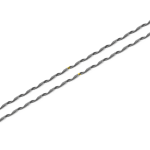
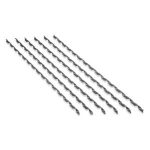
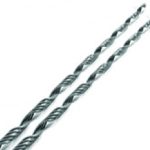
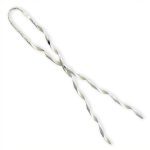
Description
Joining Strand at Full Strength: No Fittings, No Tools
Guy strand, stay strand, and messenger strand come in fixed lengths, and a run often needs more than one, so two lengths have to be joined. The join can’t be the weak point: a strand carries real tension, and a splice that develops less than the strand’s full strength is a failure waiting for the load that finds it.
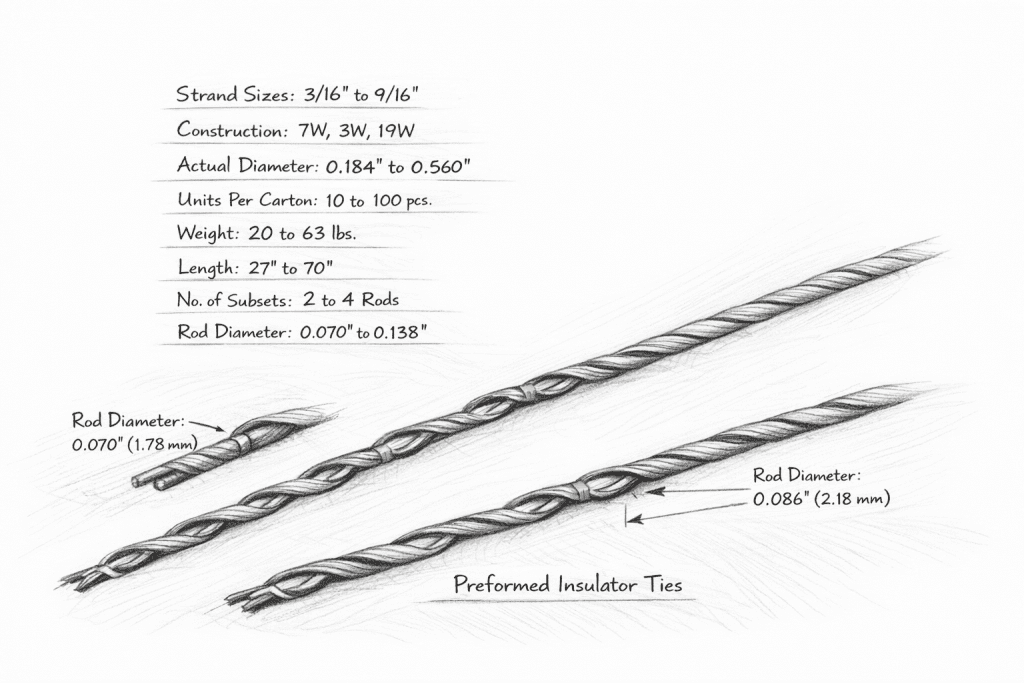
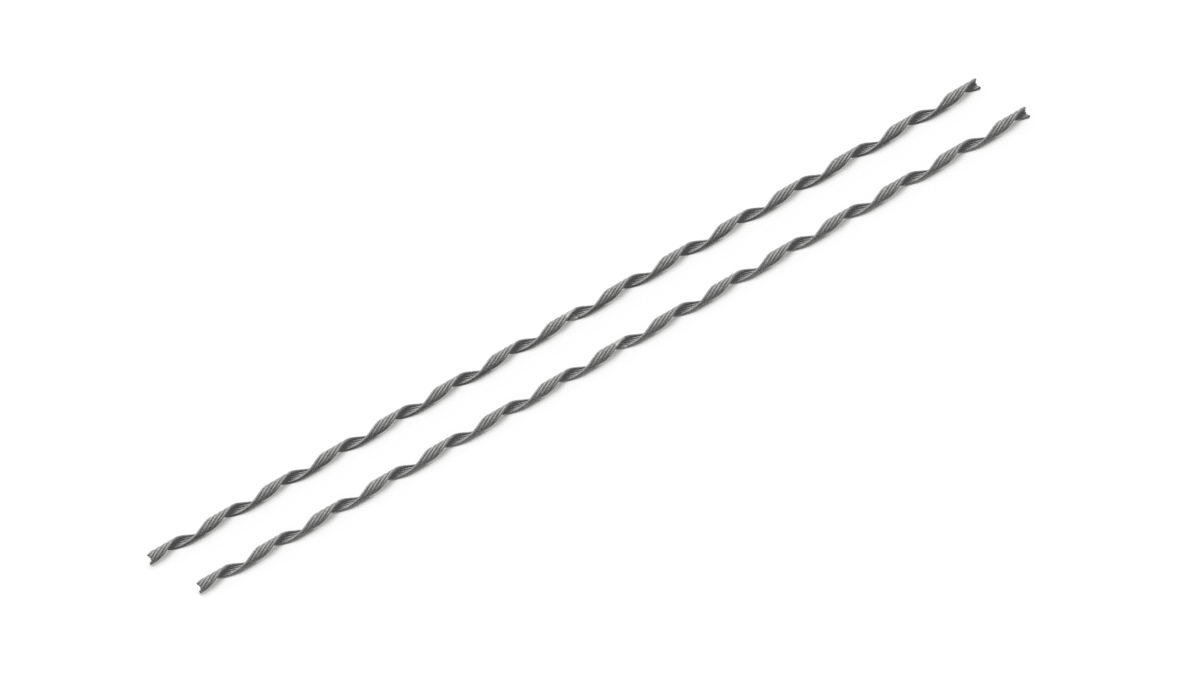
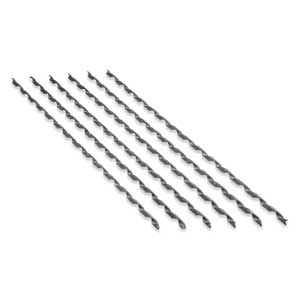
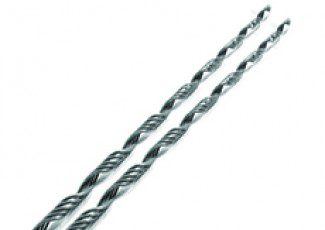
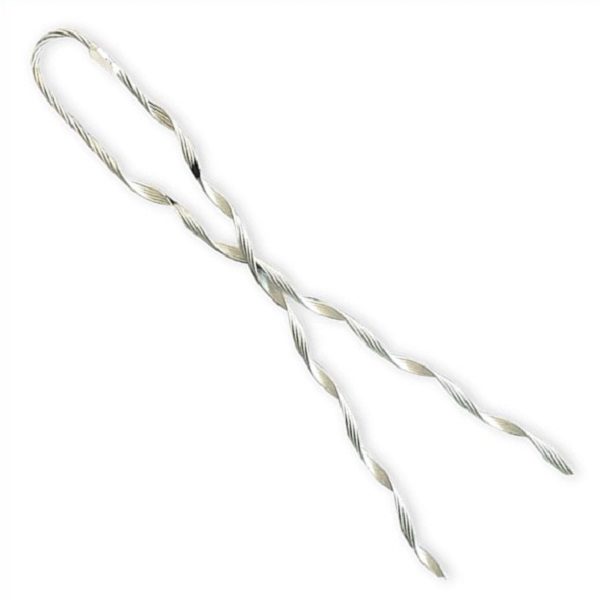
A strand splice joins them properly. A set of helical rods, pre-formed to your strand’s exact size, wraps over the two strand ends and grips each along a length, making the strand continuous and developing its full rated strength across the splice. No sleeve to compress, no clamp to bolt, no tools: the rods wrap on by hand, and the strand is joined, as strong as it was before it was cut.
This page covers strand splices: how the preformed splice makes a full-strength join, where it’s used, and why the strand match is everything.
The Full-Strength, Tool-Free Join
A preformed strand splice works the way every preformed fitting does, applied to joining:
- Full strength over length: The helical rods grip each strand end along a length, developing the strand’s rated strength across the splice so the join is as strong as the strand, not a weak link.
- No point load, no crushing: Distributed grip means no compression damage to the strand, unlike a poorly applied sleeve or clamp.
- Tool-free: Pre-formed to the strand’s lay and diameter, the rods wrap on by hand no compression tool, no bolts. Fast, and hard to get wrong when the rods are matched to the strand.
The result is a continuous strand with a full-strength splice, made in the field by hand. Like all preformed fittings, a splice is made for one strand size and isn’t reusable which is why the strand match matters (below).
Splice, Grip, or Dead-End? Same Family, Different Jobs
The preformed family includes several products that look similar but do different jobs worth being clear:
- Strand splice (this page) joins two strand ends end-to-end, making the strand continuous at full strength.
- Guy grips terminate one strand end (a dead-end loop) at an anchor or pole.
- Dead end grips / distribution grips terminate a conductor at a dead-end.
- Armor rods protect a conductor at a support (no join).
If you’re joining two strand ends, the splice is the product; if you’re terminating one end, it’s a grip. Same helical principle, opposite jobs (join vs terminate). Tell us the strand and the job and we’ll confirm.
The Critical Spec: The Strand Match
A strand splice is formed to one strand size its rods are pre-shaped to a specific strand diameter and lay (and construction, e.g. 7-wire). So the strand match is the spec that can’t be approximated:
- A splice made for your exact strand grips both ends cleanly and develops full strength.
- A splice for a neighboring size won’t grip right it’s the wrong part.
Specifying a splice therefore starts with the strand: its size (diameter/class), construction, and grade (e.g. galvanized guy strand class). Send the strand and each splice is matched to it before production the spec we confirm in writing.
Why Buyers Choose DAPENG Strand Splices
- Matched to your exact strand: Formed to your strand’s diameter, construction, and lay confirmed at RFQ.
- Full-strength, tested: Develops the strand’s rated strength across the splice, batch-tested with documentation.
- Corrosion-matched: Formed wire to the strand’s coating (galvanized for galvanized guy strand), so splice and strand age together.
- Tool-free, error-resistant: Wrapped on by hand; the correctness is in the manufactured form.
- Matched to the guy/messenger assembly: Splices with the guy grips, guy wire, and anchor hardware they work with from one source.
Use-Case Deep Dive
Where are strand splices used?
Wherever two lengths of strand must be joined at full strength: extending a run of guy/stay strand that exceeds a single reel length, joining messenger/support strand on a span, or repairing a strand by splicing in a new section. The splice makes the strand continuous and full-strength at the join, so the run behaves as one length.
Why a preformed splice instead of a clamp or sleeve?
Because it develops full strand strength over length with no compression damage and no tools. A bolted clamp splice can slip or crush the strand if misapplied; a compression sleeve needs the right tool and dies and can be done wrong. A preformed splice is formed to the strand, wraps on by hand, and grips along a length for a full-strength join simpler in the field and gentler on the strand. It’s the preformed advantage applied to joining.
Can a strand splice be reused?
Generally no like all preformed fittings, it’s formed to grip once; removing it distorts the rods. Order the right quantity plus an allowance. The single-use nature is the trade-off for the full-strength, tool-free, point-load-free join.
Specifications and What They Mean for You
| Specification | What we supply | What it means for the buyer |
|---|---|---|
| Type | Preformed helical strand splice | Full-strength, tool-free join |
| Strand match | Formed to your exact strand | Grips both ends; a size off is wrong |
| Holding value | Develops strand full strength | The join is as strong as the strand |
| Material | Formed wire to strand coating | Ages with the strand; no galvanic couple |
| Install | Tool-free, wrapped on | Fast, error-resistant in the field |
| Reuse | Single-use | Order to quantity plus allowance |
Straight Answers to Common Buyer Concerns
“Will the splice be as strong as the strand?” Yes a preformed strand splice develops the strand’s full rated strength across the splice length, batch-tested and documented. That’s the design intent: the join is not a weak point. Send the strand and we confirm the splice and its holding value the splice is made to be as strong as the strand it joins.
“How do I make sure it matches my strand?” Send the strand’s size (diameter/class), construction, and grade a splice is formed to one strand size, so we match it exactly and confirm in writing. A splice for a neighboring strand won’t grip right; the strand match is the one spec that can’t be approximated.
“Splice or grip which do I need?” If you’re joining two strand ends, it’s a splice (this page); if you’re terminating one end at an anchor or pole, it’s a guy grip. Same family, opposite jobs. Tell us whether you’re joining or terminating and we’ll supply the right one.
Complete the Assembly
- Guy grips terminate a strand end (vs splicing two)
- Guy wire the strand the splice joins
- Dead end grips and distribution grips conductor dead-ends
- Armor rods conductor protection at supports
- Anchor rods, ground anchors the guy anchor end
- Preformed line fittings the full preformed family
- Browse all overhead line fittings and pole line hardware
Get a Strand-Matched Quote Within 24 Hours
Send your strand (size, construction, grade), the job (join or repair), and quantities. Our engineers confirm the splice to your strand and return a factory-direct quotation with the guy/messenger hardware alongside, typically within one working day.
After You Order
Strand-match confirmation before production, batch test reports with shipment, splices kitted with the related guy/messenger hardware, and an engineering contact who answers precisely because a strand splice makes the strand continuous at full strength, and getting the strand match right is the whole specification.