Description
Connecting the Earthing System to the Electrode
An earthing system ends at the ground rod the electrode driven into the soil that carries fault and lightning current safely into the earth. But the rod only works if the earthing conductor is solidly bonded to it, and that bond is the job of the ground rod clamp: a copper-alloy clamp that grips the rod and clamps the conductor to it, making a solid, low-resistance, corrosion-resistant connection between the system and the electrode.
It’s a small part at a critical junction. The whole earthing system’s path to ground runs through this clamp, so it has to make and keep a good metal-to-metal connection for the life of the installation often buried, in the soil, for decades. This page covers ground rod clamps: the bond they make, why the material matters, and how to specify one.
Why the Material Is Right Here
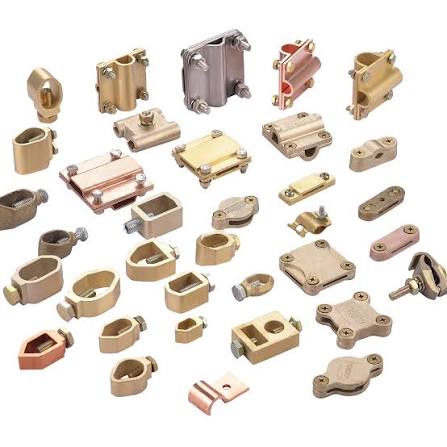
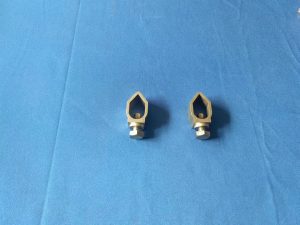
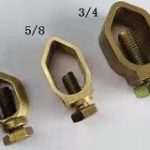
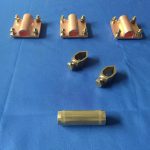
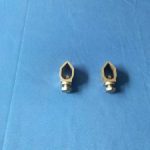
The image shows copper alloy / bronze clamps and for a grounding connection, that’s the point, not a detail:
- A copper earthing conductor bonded with a copper-alloy clamp to a copper-bonded or copper rod is a compatible, corrosion-resistant connection no galvanic couple to corrode the bond and raise its resistance over time.
- Copper alloy is conductive (it carries the fault current well) and durable in soil (it resists the corrosion a buried connection faces).
That matters because a ground rod clamp is frequently buried, and a corroded earth bond is a failed earth bond it quietly raises the earth resistance until the system doesn’t protect as designed. Using the right copper-alloy material is how the connection stays good for the long term. We’ll confirm the material suits your conductor and rod so the bond doesn’t corrode because on an earth connection, that’s a safety matter.
Which Grounding Clamp? The Surface Decides
Earth conductors bond to different surfaces, and the clamp follows:
| Clamp | Bonds the earth conductor to | |
|---|---|---|
| Ground rod clamp (this page) | A ground rod (electrode) | Earth electrode |
| I-beam grounding clamp | A steel flange (I-beam/tower) | Structural steel |
| Strand ground clamp | A strand / wire | Overhead earth/strand |
If you’re bonding the earthing conductor to the ground rod, this is the clamp; to structural steel, the I-beam clamp; to a strand, the strand ground clamp. Tell us the rod and conductor and we’ll supply the right one.
Matched to Your Rod and Conductor
A ground rod clamp has to fit two things:
- The rod diameter the clamp grips a specific ground-rod diameter (e.g. the common rod sizes), so it’s matched to your ground rod. A clamp for the wrong rod diameter won’t grip solidly.
- The earthing conductor the clamp’s conductor seat takes your earth conductor size (the earthing tape or cable), clamping it to the rod.
So specifying a ground rod clamp means giving the rod diameter and the conductor size. Send both and the clamp is matched to the pair. If the connection is buried, confirm a direct-burial-rated clamp (some clamps are rated for below-grade use; others aren’t).
Why Buyers Choose DAPENG Ground Rod Clamps
- Copper-alloy, corrosion-resistant: The right material for a copper earthing system conductive, durable in soil, no galvanic couple.
- Matched to your rod and conductor: Rod-diameter grip and conductor seat sized to your earthing system confirmed at RFQ.
- Solid, lasting bond: A metal-to-metal connection made to stay low-resistance for the life of the installation, buried or not.
- Rated for the duty: For the fault/lightning current the earth path must carry on tested figures.
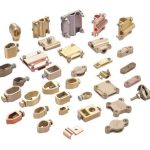
- Part of the earthing set: Rod clamps with the ground rods, coupling rods, and other bonding clamps from one source, all compatible.
Use-Case Deep Dive
Why does the clamp material matter so much on a ground rod?
Because the bond is usually buried in soil for decades, and a mismatched-material bond corrodes. If the clamp, the conductor, and the rod aren’t compatible metals, a galvanic couple forms, the connection corrodes, and its resistance climbs until the earth path is compromised, quietly, where no one can see it. A copper-alloy clamp on a copper earthing system avoids that: compatible metals, corrosion-resistant, staying low-resistance in the ground. It’s why grounding hardware is copper-alloy, and why we confirm the material suits your system.
Is this clamp rated for direct burial?
Depends on the type some ground rod clamps are direct-burial rated for below-grade connections, others are for above-grade use. Because the rod-to-conductor bond is often at or below grade, confirm you’re getting a clamp rated for where it sits. Tell us whether the connection is buried and we’ll supply the correct type. Getting this right matters a non-burial clamp used below grade is a bond that may not last.
How do I match it to my rod?
By the rod diameter send us the ground-rod size (and the earthing conductor size), and the clamp is matched to grip that rod and take that conductor. A ground rod clamp is sized to a specific rod diameter, so the match is the spec to get right; a clamp for the wrong diameter won’t grip solidly. Buy the clamp with the rod and the match is guaranteed.
Specifications and What They Mean for You
| Specification | What we supply | What it means for the buyer |
|---|---|---|
| Bonds to | Ground rod (electrode) | Connects the system to earth |
| Material | Copper alloy / bronze | Conductive, corrosion-resistant, compatible |
| Rod range | To your rod diameter | Grips your ground rod solidly |
| Conductor | Seat to your earth conductor | Clamps your earthing conductor |
| Burial | Direct-burial rated (where needed) | Lasts below grade |
| Rating | Fault/lightning current | Carries the earth-fault duty (tested) |
Straight Answers to Common Buyer Concerns
“What material should the clamp be?” For a copper earthing system, copper alloy / bronze as shown because it’s conductive, corrosion-resistant in soil, and compatible with copper rods and conductors, so the buried bond doesn’t corrode and lose its earth. A mismatched material corrodes the connection and raises its resistance over time. We supply the correct grounding-duty alloy and confirm it suits your system, because on an earth bond the material is a safety matter.
“Is it OK to bury the connection?” Only if the clamp is direct-burial rated some are, some aren’t. Since the rod-to-conductor bond is often below grade, tell us it’s buried and we’ll supply the correct rated type. A clamp not rated for burial used below grade risks a bond that corrodes and fails where you can’t see it.
“How do I match it to my rod and conductor?” Send the rod diameter and the earth conductor size the clamp is sized to grip that rod and take that conductor. It’s matched to the pair; a clamp for the wrong rod diameter won’t grip solidly. Buy it with the ground rod and the match is guaranteed.
Complete the Earthing System
- Ground rods the earth electrode (the earthing hub)
- Copper grounding rods and HDG grounding rods the rod types
- Ground coupling rods extending the rod to depth
- I-beam grounding clamps and strand ground clamps bonding to steel and strand
- Browse all pole line hardware and overhead line fittings
Get a Rod-Matched Quote Within 24 Hours
Send your ground-rod diameter, your earthing conductor size, whether the connection is buried, any current/fault rating, and quantities. Our team confirms the clamp, material, and fit, and returns a factory-direct quotation with the rods and earthing hardware alongside, typically within one working day.
After You Order
Material, fit, and any rating confirmation before production, documentation with shipment, clamps matched to your rod and conductor and the earthing hardware kitted together, and an engineering contact who answers precisely because the ground rod clamp is where the earthing system meets the electrode, and getting the material and the fit right is what keeps the path to earth solid.