
Description
Bonding an Earth Conductor to Structural Steel No Drilling
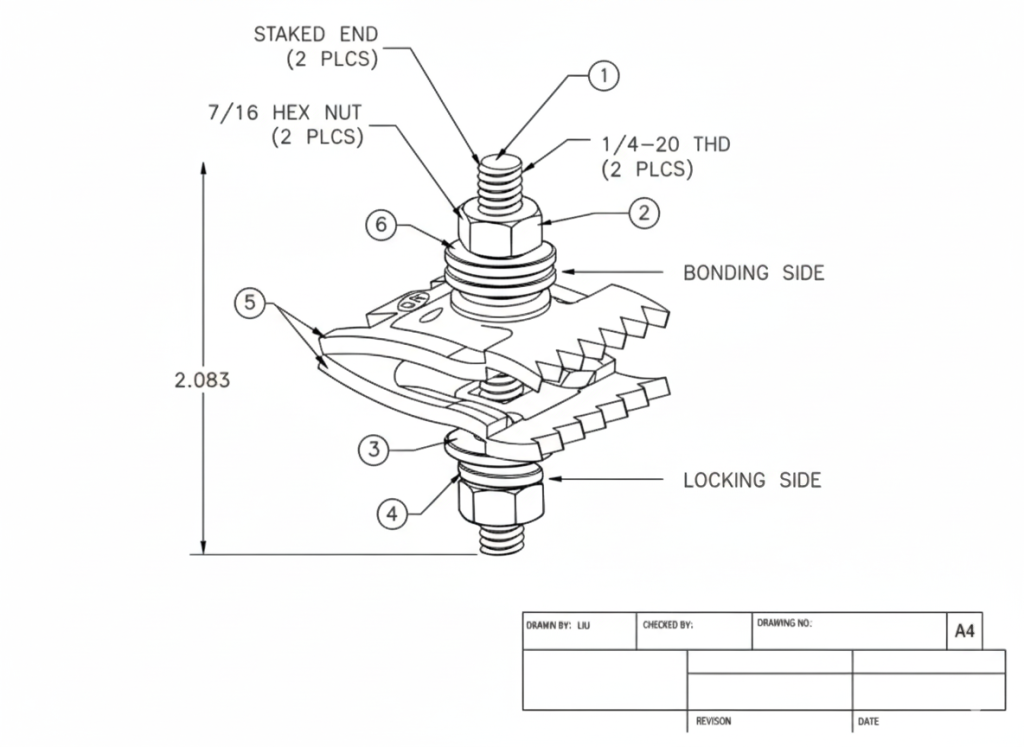
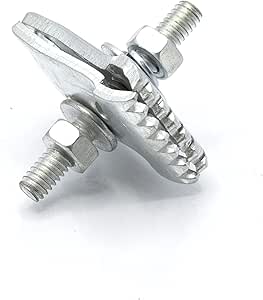
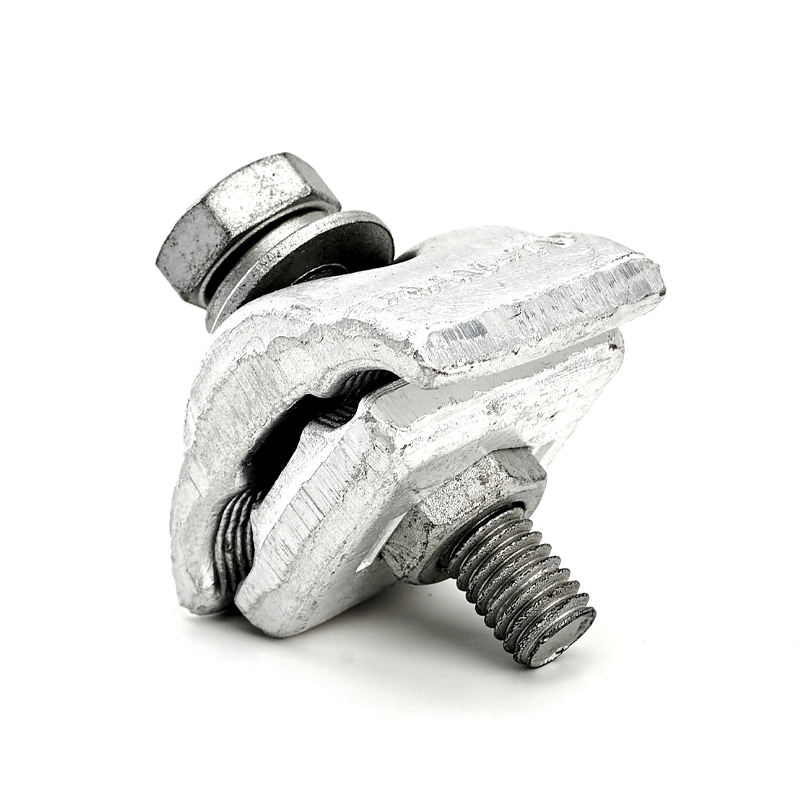
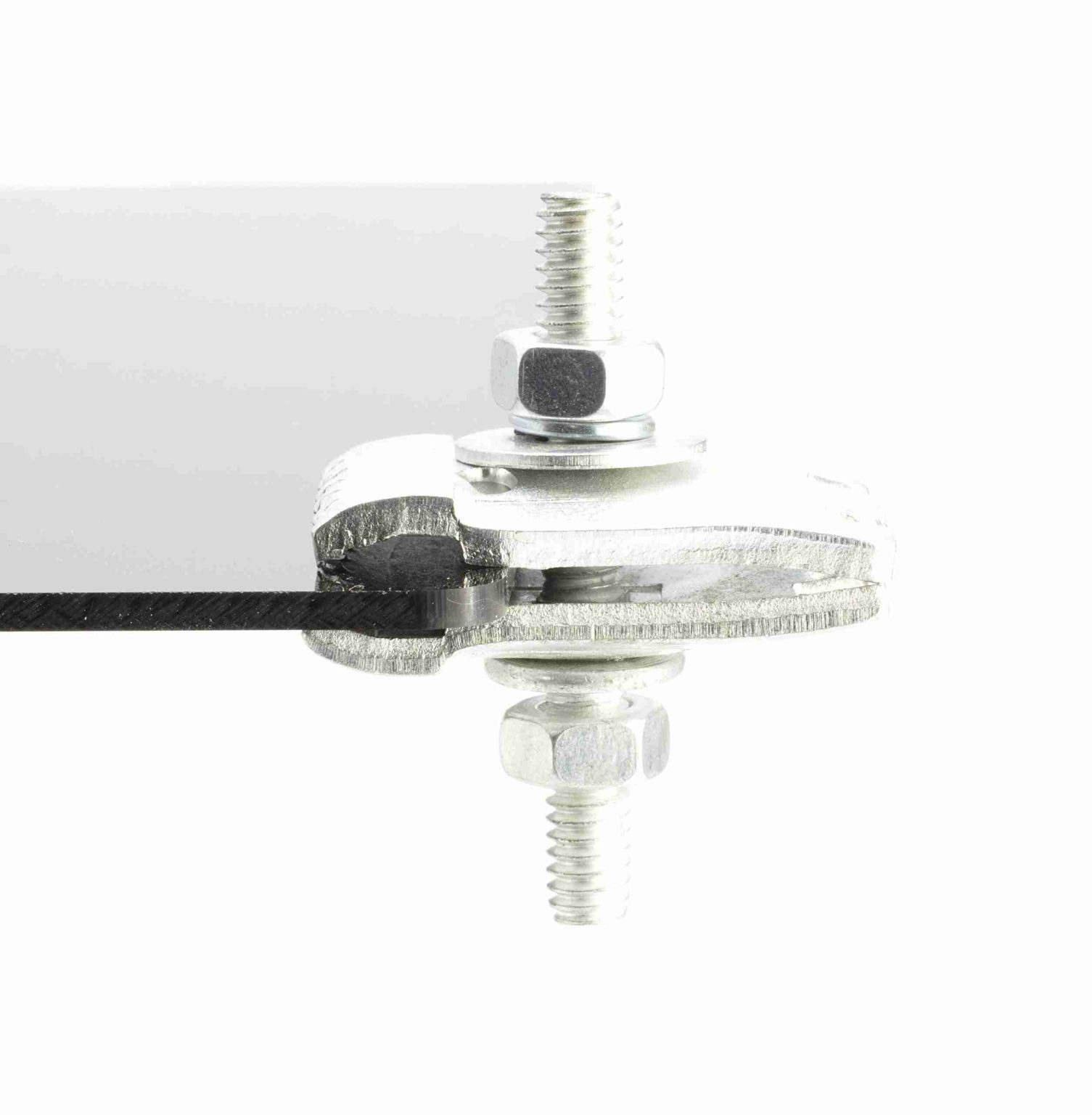
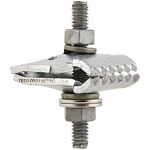
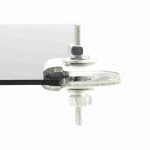
Steel structures, towers, substation steel, and building frames are part of the earthing and bonding system: they need to be tied to earth, and earth conductors often need to be connected to them. Drilling and bolting through a structural member to do that is slow, weakens the steel, and isn’t always allowed. An I-beam grounding clamp avoids it: toothed jaws clamp onto the edge of a flange of an I-beam, a tower member, or any structural steel, and two bolts tighten them down, biting through any coating to make a solid mechanical and electrical bond to the steel. No drilling, no welding, just clamp and tighten.
The result is a reliable earth connection to the structure, made in minutes without touching the member’s integrity. This page covers I-beam grounding clamps: what they bond, where they fit among the grounding clamps, and the material point that matters for a safe earth.
What It Bonds, and Why the Teeth Matter
An I-beam grounding clamp makes an earth/ground connection to structural steel:
- The toothed jaws grip the flange edge and bite through paint, galvanizing, or light corrosion to reach clean metal because an earth bond has to be to bare, conductive steel, not to a coating. The teeth are what make the electrical connection reliable, not just the mechanical grip.
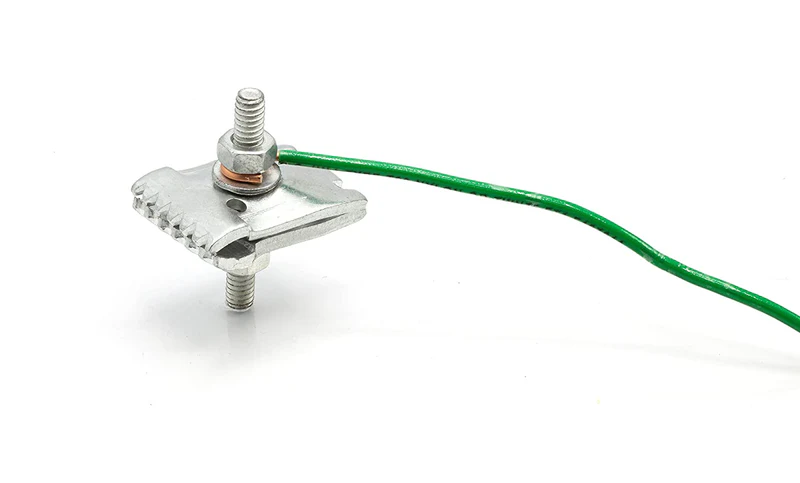
- The two bolts clamp the jaws to the flange and hold the earth conductor, so one clamp does both the grip and the conductor termination.
- The connection carries fault and lightning current from the conductor into the structure (or vice versa), so it has to be solid and stay solid which is why the toothed, bolted design matters.
Getting the teeth to bite clean metal is the whole point of a grounding clamp: a bond that looks tight but sits on paint isn’t an earth connection.
Which Grounding Clamp? The Surface Decides
Earth conductors get bonded to different surfaces, and the clamp follows the surface:
| Clamp | Bonds the earth conductor to | |
|---|---|---|
| I-beam grounding clamp (this page) | A steel flange (I-beam, tower member) | Structural steel |
| Ground rod clamp | A ground rod | The earth electrode |
| Strand ground clamp | A strand / wire | Overhead earth/strand |
If you’re bonding to structural steel, this is the clamp; to a ground rod, the ground rod clamp; to a strand, the strand ground clamp. Same job a reliable earth bond matched to what you’re bonding to. Tell us the surface and the conductor and we’ll supply the right clamp.
The Material Point That Matters for a Safe Earth
This is the point to get right, because a grounding connection is safety-critical it carries fault and lightning current, and it has to stay conductive for years in the weather:
- The clamp material must be compatible with both the earth conductor (often copper) and the structure, to avoid a galvanic couple that corrodes the connection and raises its resistance over time. A corroded earth bond is a failed earth bond.
- Grounding hardware is commonly copper alloy / bronze (for copper conductors) or a suitably compatible/protected material chosen for conductivity and corrosion resistance in the earthing duty, not just mechanical strength.
We supply the clamp in the material right for your conductor and environment, and we’ll flag any compatibility concern rather than ship a bond that will corrode. The clamp material and the compatibility for your conductor the image appears zinc-plated steel; confirm whether that’s the grounding-duty material or whether a copper-alloy version applies.) This is the spec we confirm carefully, because on a grounding connection it’s a safety matter, not a finish preference.
Why Buyers Choose DAPENG I-Beam Grounding Clamps
- No-drill bond to structural steel: Toothed jaws clamp the flange and bite to clean metal a solid earth bond without drilling, welding, or weakening the member.
- Material matched for a safe earth: Supplied in the material compatible with your earth conductor and environment, so the bond stays conductive and doesn’t corrode.
- Sized to your conductor: The conductor seat matched to your earth conductor size.
- Rated for the duty: For the fault/lightning current it must carry on tested figures.
- Part of the earthing set: I-beam clamps with the ground rods, rod clamps, strand clamps, and coupling rods of the earthing system from one source.
Use-Case Deep Dive
Where is an I-beam grounding clamp used?
Wherever an earth conductor bonds to structural steel: tying a tower or substation-steel member to the earthing system, bonding a building’s structural frame, connecting an earth conductor to any I-beam or flange where drilling isn’t wanted. It’s common on transmission towers, in substations, and on steel structures generally anywhere the structure is part of the bonding/earthing system and you need a reliable connection to it without touching the member.
Why clamp instead of drill or weld?
Because drilling weakens the member (and may not be permitted), and welding needs skill, equipment, and coating repair. The clamp bonds to the flange in minutes with two bolts, its teeth biting to clean metal for the electrical connection, without altering the steel. For adding an earth bond to an existing structure especially, the clamp is faster, safer for the member, and reversible. It’s the standard way to bond to structural steel.
How do I make sure it’s a good earth?
Two things: the teeth must bite to clean, bare metal (through paint or galvanizing), and the material must be compatible with the conductor so the bond doesn’t corrode. We supply the clamp in the right material and with a tooth design made to reach clean steel; on site, the connection is tightened to bite through the coating. A grounding connection is only as good as its metal-to-metal contact and its resistance to corrosion both of which are designed and specified in, then confirmed on install.
Specifications and What They Mean for You
| Specification | What we supply | What it means for the buyer |
|---|---|---|
| Bonds to | Steel flange (I-beam/tower) | Earth connection to structural steel |
| Jaws | Toothed, bite to clean metal | Reliable electrical bond through coating |
| Flange range | To your member thickness | Fits your structural steel |
| Conductor | Seat to your earth conductor | Terminates your earth conductor |
| Material | Compatible for grounding | Stays conductive; no galvanic corrosion |
| Rating | Fault/lightning current | Carries the earth-fault duty (tested) |
Straight Answers to Common Buyer Concerns
“Will it make a reliable earth connection?” Yes, when specified and installed right the toothed jaws bite through paint or galvanizing to clean metal, making metal-to-metal electrical contact, and the two bolts hold it solid. The two things that make it reliable are the teeth reaching bare steel and the material being corrosion-compatible with your conductor both of which we build in and confirm. A grounding bond is safety-critical, so we don’t cut corners on either.
“What material should it be for our copper earth conductor?” For a copper conductor, a copper-alloy/bronze or otherwise compatible clamp is usually right, to avoid a galvanic couple that would corrode the bond and raise its resistance. The image version may be plated steel tell us your conductor and environment and we’ll confirm the correct grounding-duty material, because on an earth connection the material is a safety matter, not a finish.
“I-beam clamp, rod clamp, or strand clamp?” By what you’re bonding to: structural steel flange → this I-beam clamp; ground rod → ground rod clamp; strand/wire → strand ground clamp. Tell us the surface and the earth conductor and we’ll supply the right one.
Complete the Earthing System
- Ground rods the earth electrode (the earthing hub)
- Copper grounding rods and HDG grounding rods the rod types
- Ground rod clamps and strand ground clamps the other bonding clamps (rod, strand)
- Ground coupling rods extending the rod
- Browse all pole line hardware and overhead line fittings
Get a Bond-Matched Quote Within 24 Hours
Send your structural member (flange thickness), your earth conductor size, the material/compatibility you need, any current/fault rating, and quantities. Our team confirms the clamp, material, and fit, and returns a factory-direct quotation with the earthing hardware alongside, typically within one working day.
After You Order
Material, fit, and any rating confirmation before production, documentation with shipment, clamps matched to your conductor and structure, and an engineering contact who answers precisely because a grounding bond carries fault current to earth, and getting the metal-to-metal contact and the material compatibility right is what keeps the earth connection safe.