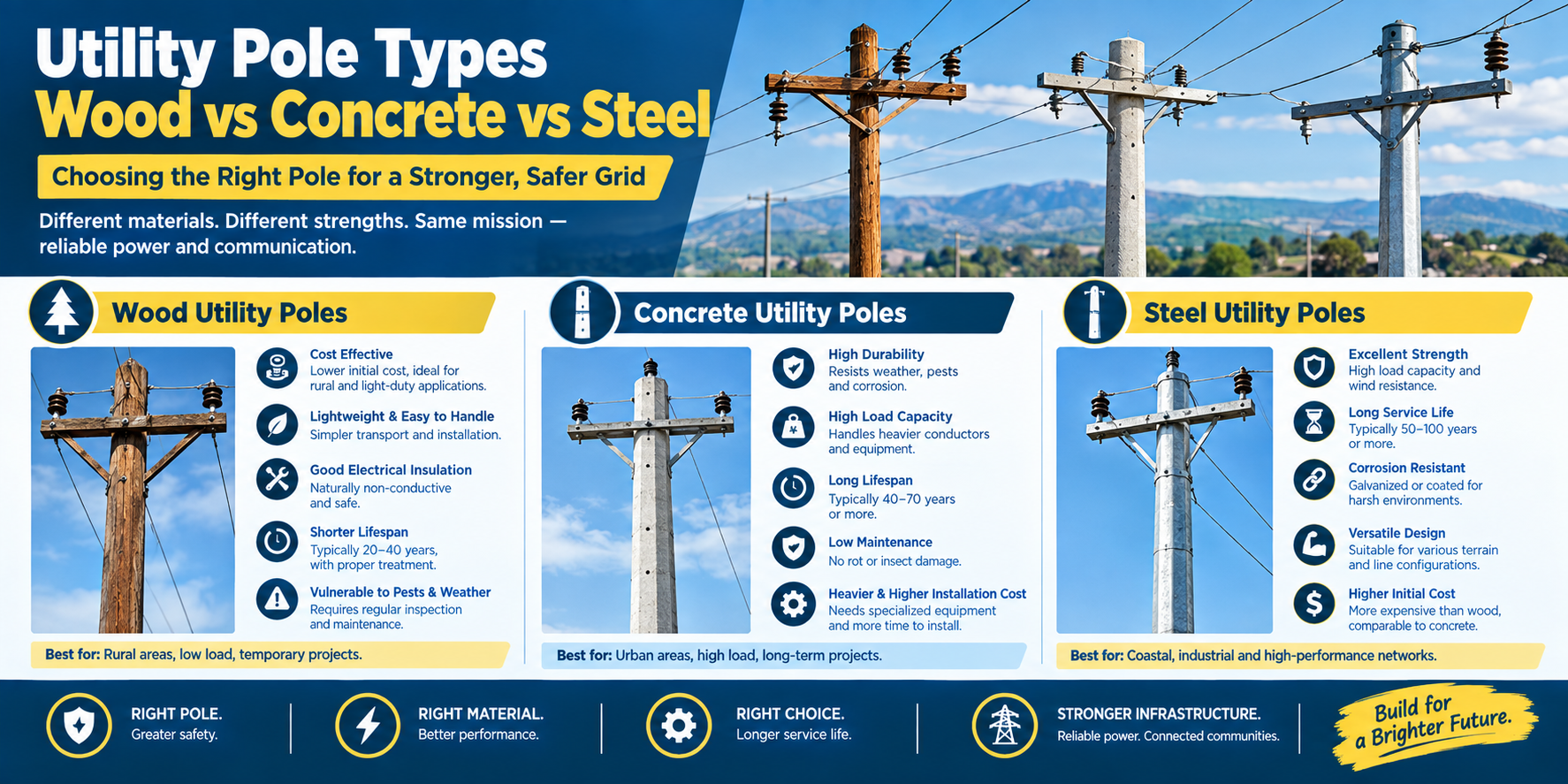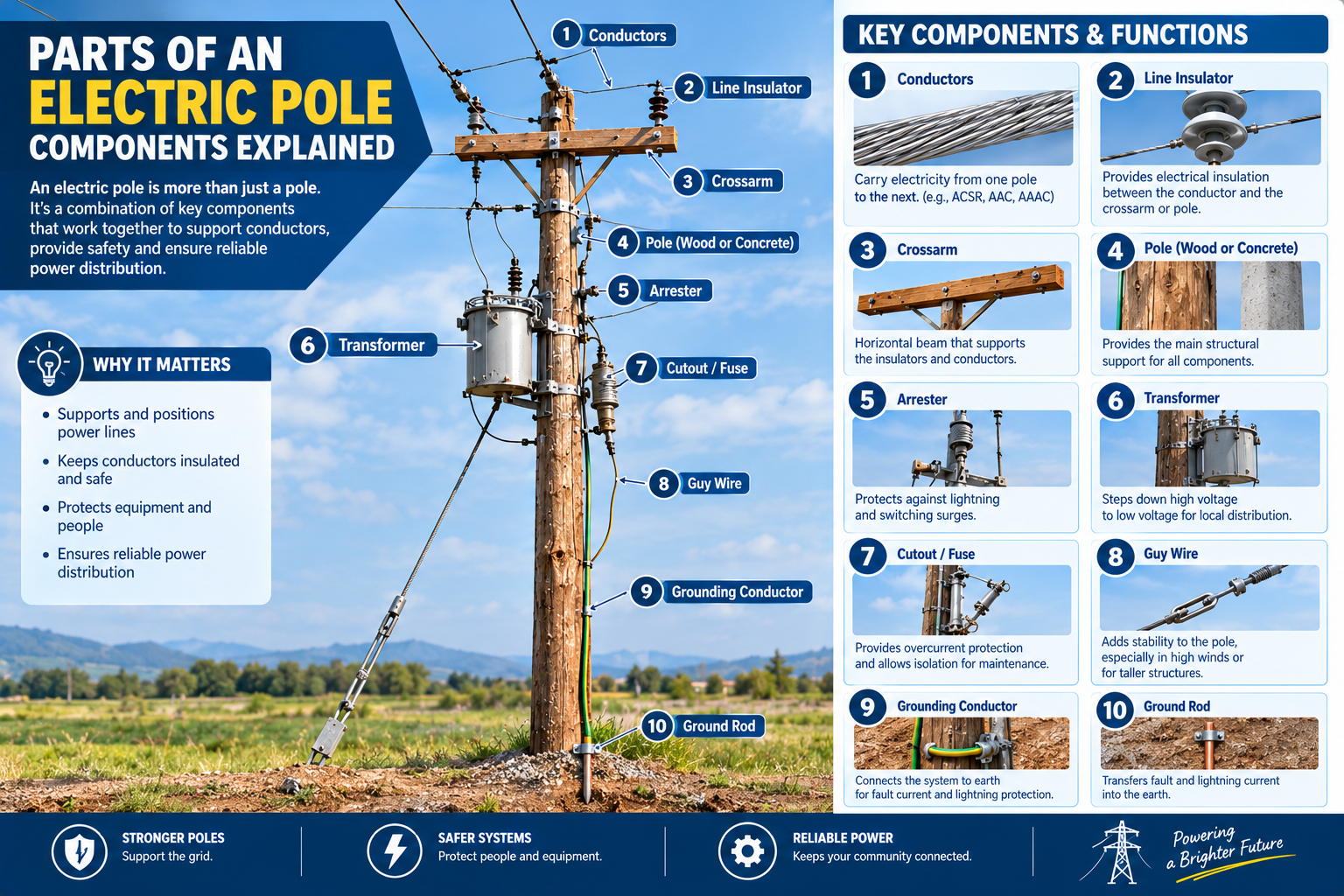
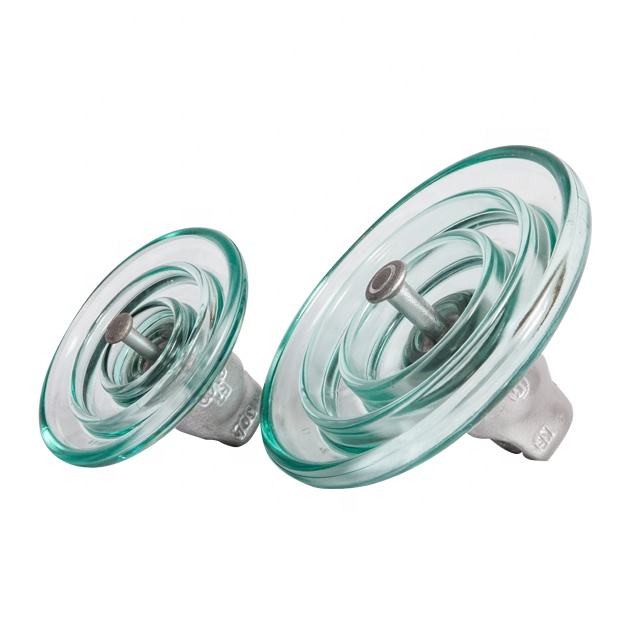
An insulator string is a high-voltage assembly of interconnected units, typically porcelain, toughened glass, or composite silicone rubber, designed to electrically isolate energized conductors while supporting extreme mechanical loads in overhead transmission systems. In the context of global utility-scale infrastructure, these assemblies are the primary defense against catastrophic grid failure.
Modern procurement teams face a landscape of inconsistent batch quality and extended lead times. Precision-engineered insulator strings mitigate these risks through:
- Controlled Manufacturing Tolerances: Ensuring perfect fitment for ball-and-socket couplings.
- Advanced Met allurgy: Utilizing forged steel to eliminate internal porosity.
- Verified Compliance: Stringent adherence to international dielectric and mechanical benchmarks.
Strategically, these strings serve as a critical safeguard against grid instability, providing a solution to the common industry pain points of premature surface degradation and mechanical fatigue.
Engineering Standards Behind High-Voltage Insulator Assemblies
Compliance Metrics for International Grid Integration
Global buyers require components that align across multiple regulatory systems to ensure site safety and insurance compliance. Our production facilities integrate Chinese National Standards (GB/T) with Western benchmarks (IEC/ANSI) for total interoperability.
Cross-Reference of Global Standards
| Component / Test | IEC / International | ANSI (USA) | GB/T (China) |
| Porcelain/Glass Units | IEC 60383 | ANSI C29.2 | GB/T 1001.1 |
| Composite Insulators | IEC 61109 | ANSI C29.11 | GB/T 19519 |
| Mechanical Testing | IEC 60797 | ANSI C29 | GB/T 4056 |
| Ball & Socket Couplings | IEC 60120 | ANSI C29.2 | GB/T 4056 |
| Galvanization | ISO 1461 | ASTM A153 | GB/T 13912 |
Key Engineering Benchmarks
- Electromechanical Failing Load: 70kN to 530kN range.
- Yield Strength (Hardware): $\geq 355\text{ MPa}$.
- Zinc Coating Thickness: $\geq 85\text{–}100\text{ \mu m}$ for extreme corrosion resistance.
- Salt Spray Resistance: Exceeding 1000+ hours (ISO 9227).
- Dimensional Tolerance: Precision machined to $\pm0.05\text{ mm}$.
Metallurgy and Material Science Driving Performance
Comparative Material Performance Metrics
Selecting the correct material is vital for lifecycle cost management. Each material offers distinct advantages based on the installation environment.
| Feature | Toughened Glass | Porcelain | Composite (Silicone) |
| Dielectric Strength | High | Moderate-High | Superior |
| Mechanical Weight | Heavy | Moderate | Ultra-Light |
| Hydrophobicity | Low | Moderate | Excellent |
| Service Life | 40+ Years | 30+ Years | 15–25 Years |
| Maintenance | Low (Self-Cleaning) | Moderate | Minimal |
Advanced Metallurgy in End-Fittings
The reliability of an insulator string depends heavily on its hardware. We utilize forged steel or ductile iron (ASTM A536 equivalent) to ensure maximum fatigue resistance.
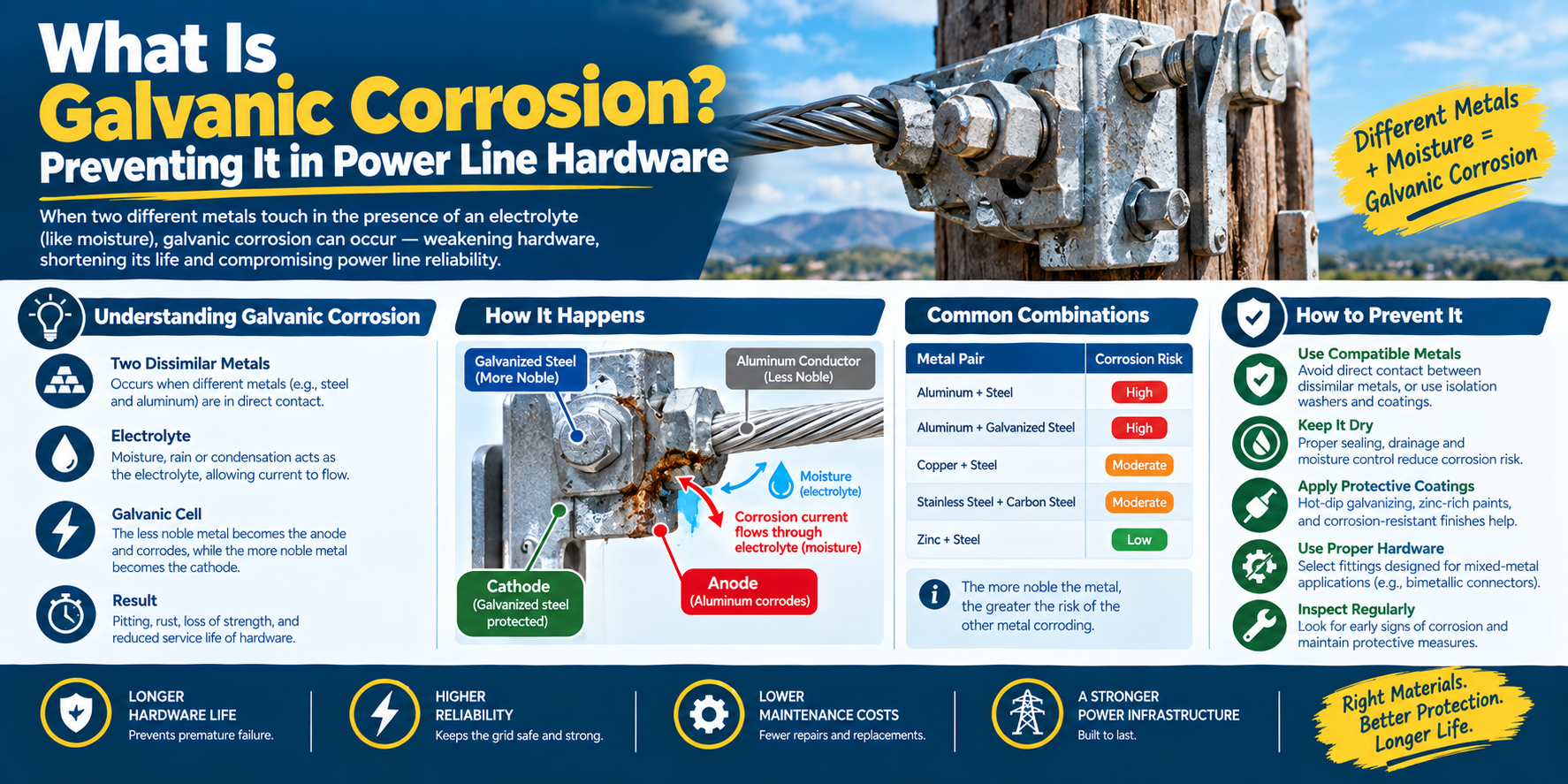
- Process: Hot-dip galvanization (ISO 1461 compliant).
- Surface Roughness: Ra 1.6–3.2 µm to reduce corona discharge.
- Fatigue Resistance: Tested for 50,000+ load cycles without structural deformation.
Beyond the technical specs, forged metallurgy eliminates the internal porosity common in cast products, significantly improving reliability under the dynamic loads of high-wind or ice-prone regions.
Advancements in Manufacturing and Process Control
CNC Precision and Automated Production
Modern China-based manufacturing integrates Industry 4.0 automation to ensure batch uniformity across large-scale EPC orders.
- CNC Machining: Used for precise threading of caps and pins to class 6g/2A standards.
- Automated Kiln Firing: Precise thermal curves for porcelain units ensure uniform dielectric density.
- Robotic Assembly: Eliminates human error during the critical coupling phases of the string assembly.
Surface Engineering and Environmental Protection
| Coating Type | Application Environment | Salt Spray Rating |
| Zinc Plating | Indoor/Controlled use | 72–200 hours |
| Hot-Dip Galvanizing | Standard outdoor infrastructure | 500–1000+ hours |
| Dacromet | Coastal / High-salinity zones | 1000+ hours |
💡 Pro Tip: Procurement Optimization
Before confirming bulk orders, always request:
- CAD Drawings: (STEP / DWG) for clearance verification.
- Material Test Reports (MTR): For chemical and mechanical heat-traceability.
- Pre-production Samples: To verify galvanization quality.
Quality Assurance and Testing Protocols
Our multi-layer inspection system ensures that every insulator string meets mission-critical safety margins.
1. Mechanical Testing
We perform tensile load verification and electromechanical failure testing on every batch to confirm the Rated Electromechanical Fail Load.
2. Non-Destructive Testing (NDT)
- Ultrasonic Testing (UT): Detects internal fissures in hardware.
- Magnetic Particle Inspection (MPI): Identifies surface cracks in caps and pins.
3. Environmental and Dimensional Verification
- Chemical Analysis: Spectrometer validation of alloy composition.
- CMM Verification: Dimensional inspection with $\pm0.05\text{ mm}$ accuracy.
- Temperature Cycling: Validated for performance from $-40^\circ\text{C}$ to $+50^\circ\text{C}$.
Logistics and Export Handling for Global Deployment
Strategically located near Shanghai, Shenzhen, and Ningbo Ports, we optimize the “Total Landed Cost” by reducing inland transit and streamlining shipping cycles.
- Lead Times: 30–45 days for bulk orders.
- Packaging: ISPM-15 compliant heat-treated crates with VCI anti-corrosion protection.
- Customization: Full support for custom creepage distances (per IEC 60815) and specific string configurations (V-string, I-string, tension strings).
FAQs
How is creepage distance determined for insulator strings?
Creepage distance is calculated based on IEC 60815 pollution severity levels. For coastal or heavy industrial zones, a minimum of $\geq 31\text{ mm/kV}$ is typically required to prevent leakage current.
Which material performs best in high-salinity coastal environments?
Composite silicone rubber insulators offer superior hydrophobicity. This property migrates to surface pollutants, preventing the formation of a continuous moisture film and reducing maintenance washing cycles.
Are Chinese-manufactured insulator strings ANSI compatible?
Yes. Our designs align with ANSI C29 standards for dimensions and electrical ratings, ensuring full interchangeability with existing US grid infrastructure.
How do you verify the mechanical strength of a 530kN string?
Strength is verified through Routine Tensile Testing (applied at 50% of the rating) and Sample Destructive Testing, where units are pulled to failure to confirm the safety margin.
What is the standard lead time for an EPC-scale order?
Typically, bulk orders require 30 to 45 days. However, for glass units, lead times can be shorter due to high-volume automated production lines.
Secure Your High-Voltage Supply Chain
In high-voltage infrastructure, component failure is not an option. Partner with a manufacturer that bridges the gap between Chinese production scale and Western engineering precision.