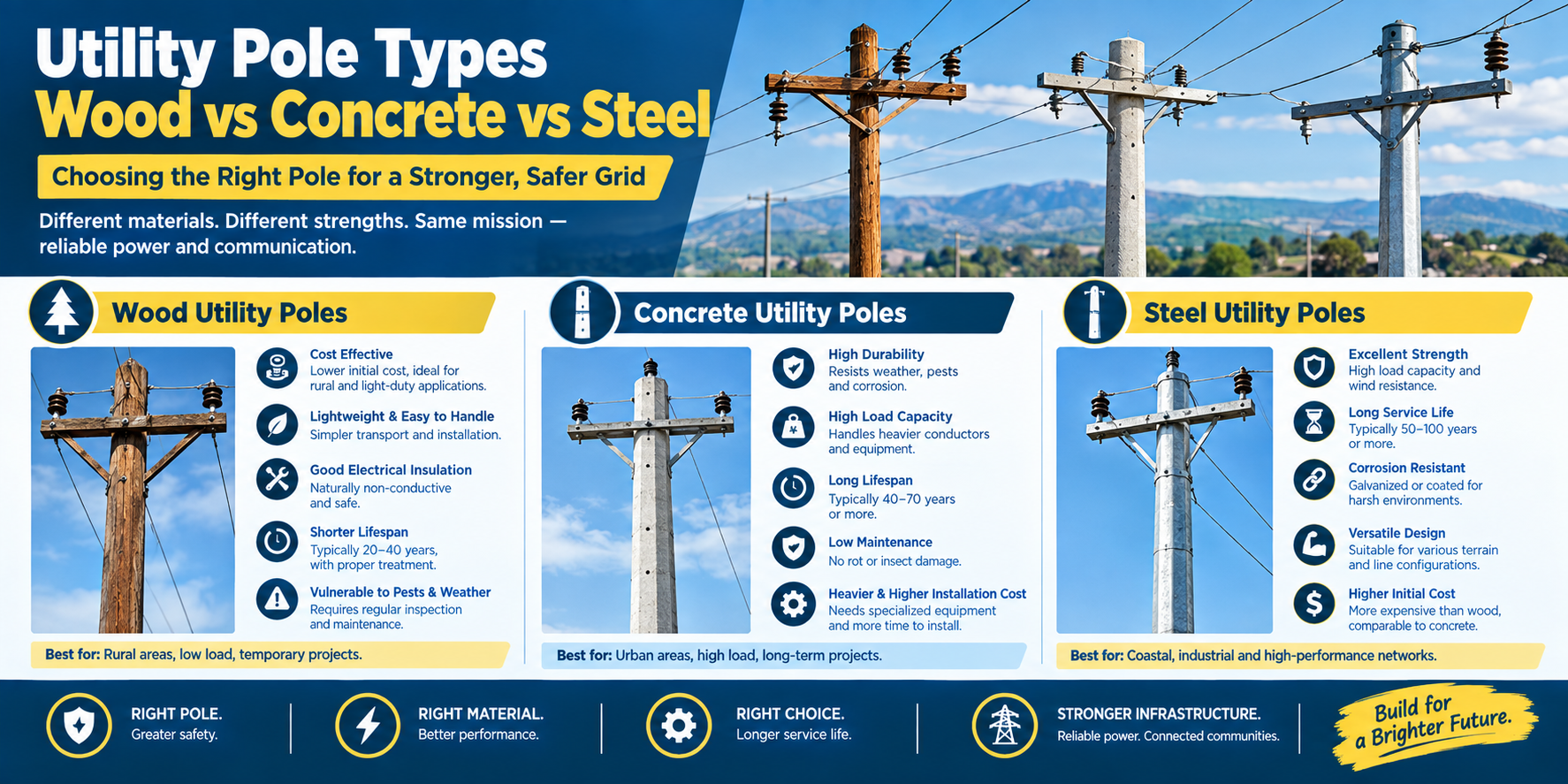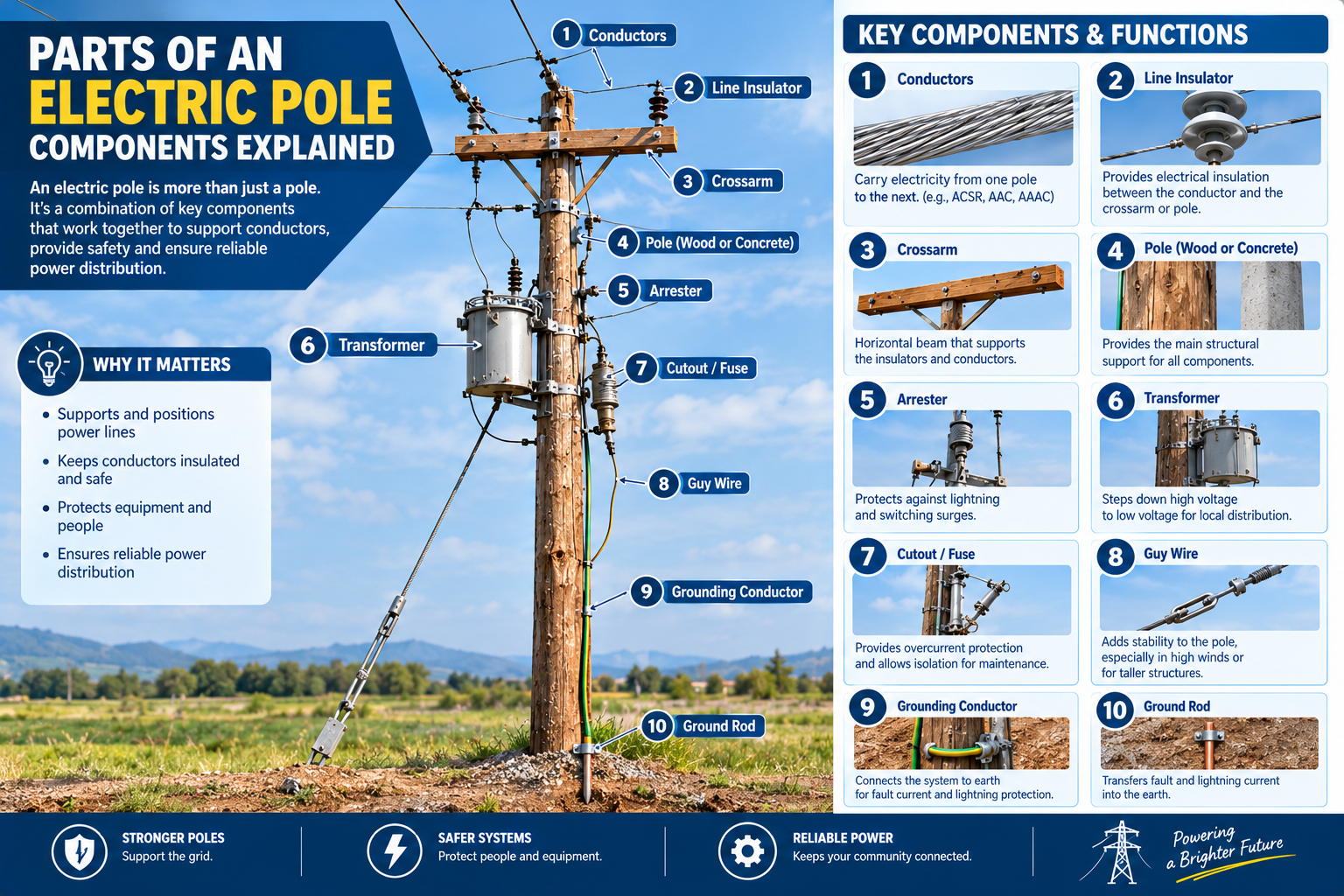
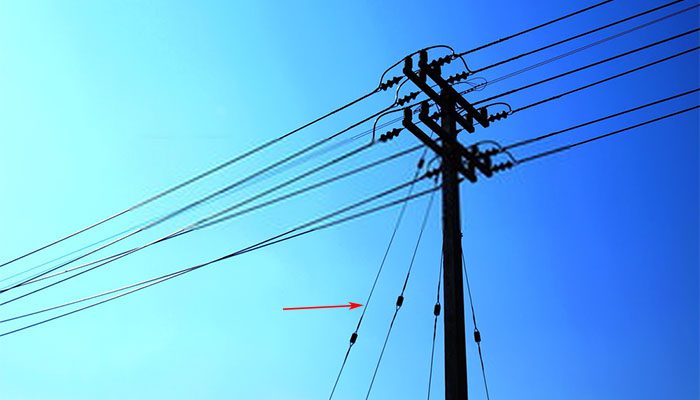
A guy wire (also called stay wire, guy strand, guy cable, or guy anchor) is a tensioned cable used to stabilize free-standing structures like utility poles, radio towers, wind turbines, and ship masts. By transferring some of a structure’s weight to the ground, guy wires prevent twisting, toppling, or bending under wind and load forces.
Key Applications of Guy Wires
-
Utility & Power Lines – Support poles and overhead conductors.
-
Telecommunication Towers – Stabilize antennas and masts.
-
Wind Turbines – Resist wind-induced sway.
-
Ship Masts & Marine Structures – Maintain alignment in rough conditions.
-
Railway Signals & Industrial Structures – Ensure safety and structural integrity.
Types of Guy Wire Hardware
DAPENG POWER provides a full range of hardware for secure installations:
-
Big Grip Dead Ends (Preforms): For high-tension applications.
-
End Sleeves (Ice Clips): Prevent unraveling when using dead ends.
-
Drop Forged Wire Rope Clips: Clamp loose wire ends securely.
-
Shackles: Connect wire rope, chains, or slings.
-
Thimbles: Protect wire loops from wear and crushing.
-
Turnbuckles: Adjust tension to stabilize structures.
-
Screw Eyes: Anchor points for guy wires on poles.
💡 Tip: Using the correct combination of hardware ensures maximum stability and safety.
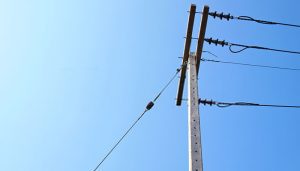
Guy Wire Fittings: The Backbone of Secure Installations
Guy wire fittings are essential components that connect, secure, and tension guy wires. These fittings ensure proper alignment, strength, and performance.
Common guy wire fittings include:
-
Anchors for ground stability
-
Tensioners for maintaining proper load
-
Clamps and grips for secure fastening
-
Turnbuckles for tension adjustment
Together, these fittings create a strong anchoring system that ensures safe and reliable installations.
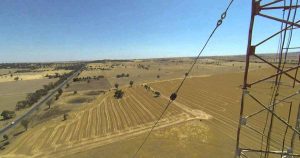
How Guy Wires Work
One end of the guy wire connects to a high point on the structure, while the other anchors into the ground at a diagonal. Most installations use a 45-degree angle, creating balanced tension that:
-
Supports the weight of overhead lines.
-
Resists strong winds and environmental forces.
-
Prevents structure deformation or collapse.
Visual Example:
-
High pole → Guy wire slopes downward → Anchored into concrete or soil.
When Are Guy Wires Needed?
-
Tall structures above 20 feet require guy wires.
-
Dead-end poles or uneven loads need multiple guy sets.
-
High-wind areas demand stronger tensioned cables.
💡 Rule of Thumb: Most installations require at least three guy strands for optimal stability.
Selecting the Right Guy Wire
Consider the following when choosing a guy wire:
| Factor | Recommendation |
|---|---|
| Strength | Wire must support pole weight and withstand high winds. |
| Stability | Anchor and rod assemblies must match or exceed wire strength. |
| Elasticity | Balance stiffness and flexibility to resist snapping. |
| Coating | Galvanized steel or zinc coating prevents corrosion. |
| Size & Length | Ensure cable diameter and length match structure requirements. |
Safety Considerations During Installation
Installing guy wires involves risks: falling poles, snapping wires, and electrical hazards. Ensure your team uses:
-
Hardhats – Protect from falling objects.
-
Rubber-soled boots & insulated gloves – Prevent electrocution.
-
Protective sleeves / long-sleeved shirts – Guard against wire cuts.
-
Fall arrest systems – Required when climbing poles above 4 feet.
Step-by-Step Guy Wire Installation
-
Attach wire to the top of the pole using a guy ring and clamp.
-
Anchor wires 45 degrees from pole using screw eyes 120° apart.
-
Cover screw eyes with roofing tar for added safety.
-
Connect turnbuckles and adjust tension to prevent sagging.
-
Check all hardware and tighten loops 7–8 wraps for security.
-
Inspect tensioned wires regularly to ensure long-term stability.
Why Choose DAPENG POWER?
DAPENG POWER is a trusted global supplier of power line fittings and utility hardware, delivering:
-
High-Quality Products: Galvanized, corrosion-resistant, and performance-tested.
-
Comprehensive Solutions: Full range of guy wire and hardware for any application.
-
Expert Advice: Technical guidance for installation, safety, and project planning.
-
Global Service: Serving clients worldwide with fast lead times and reliable support.
-
Custom Solutions: Tailored products to meet unique structural needs.
FAQs
Is it guide wire or guy wire?
It is called a guy wire, not a guide wire. Some people mistakenly call it a guide wire, but the correct term is guy wire, used to stabilize poles and towers.
Why do they call it a guy wire?
The name comes from the word “guy”, originally meaning a rope, cable, or cord used to steady, guide, or secure a structure.
What is meant by guy wire?
A guy wire is a tensioned cable that supports and stabilizes free-standing structures like utility poles, towers, and masts by anchoring them to the ground.
Is it a stay wire or guy wire?
A stay wire and guy wire are similar in function, but “guy wire” is the most widely used term for cables that provide support and stability to poles, towers, or other tall structures.