In the high-stakes environment of electrical utility management, the failure of a single underground component can lead to catastrophic grid downtime costing millions. Imagine a coastal transmission line in a high-wind zone.
As wind speeds exceed 120 mph, they apply massive eccentric loads to the utility poles. In a critical moment, if a sub-standard, corroded anchor rod fails, the entire lateral support system vanishes. The result is a domino effect of falling poles, localized blackouts, and astronomical emergency repair costs.
In power transmission and telecommunication infrastructure, the Anchor Rod acts as the silent guardian. It is the literal link between the visible grid and the earth’s stability. Low-quality hardware is not just a maintenance headache it is a significant financial liability.
Choosing a high-tensile, corrosion-resistant anchor rod is the primary defense against structural collapse. At DP Power Fitting, we manufacture industrial-grade anchor rods designed to withstand the harshest environmental stresses on the planet.
What is an Anchor Rod (Guy Rod)?
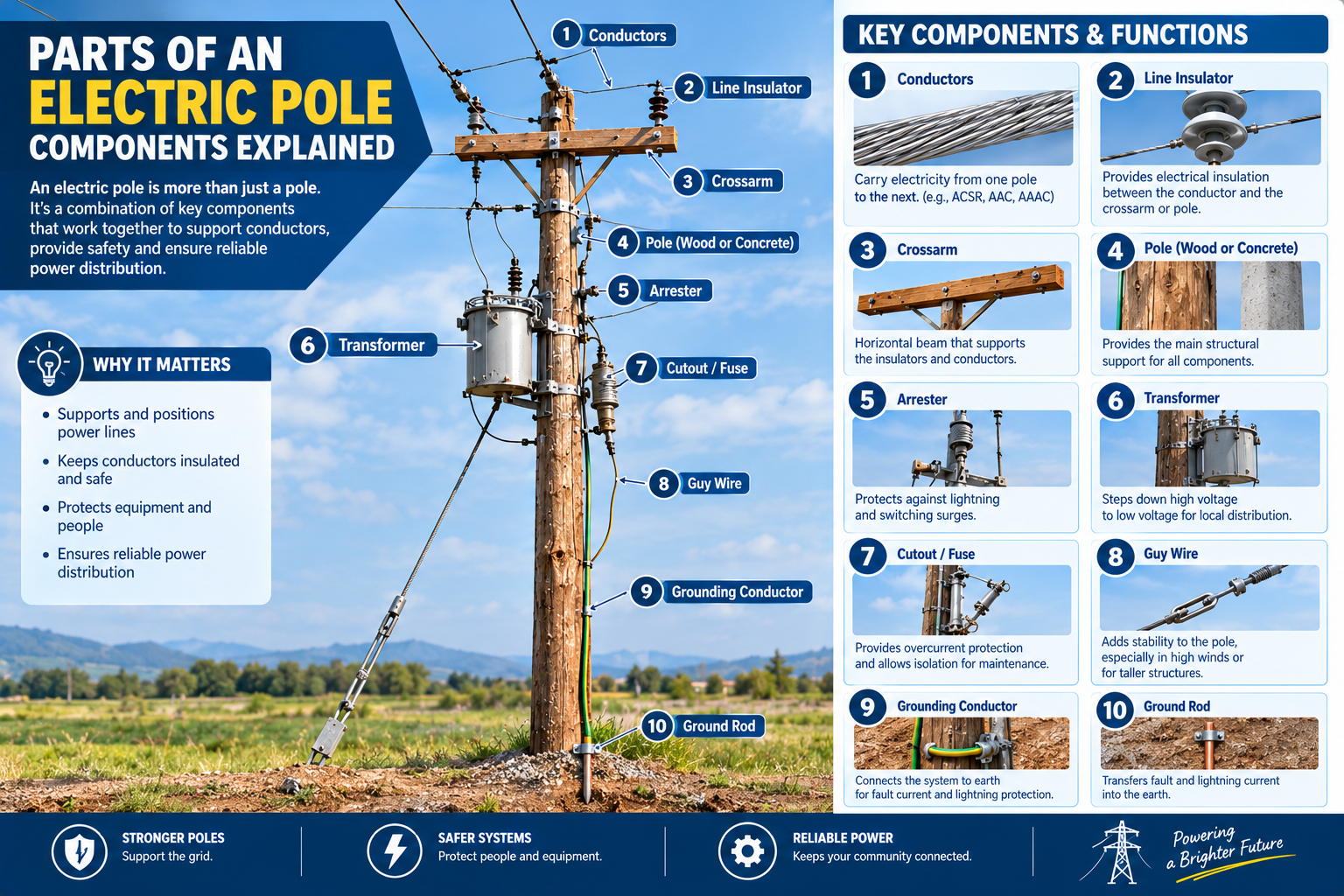
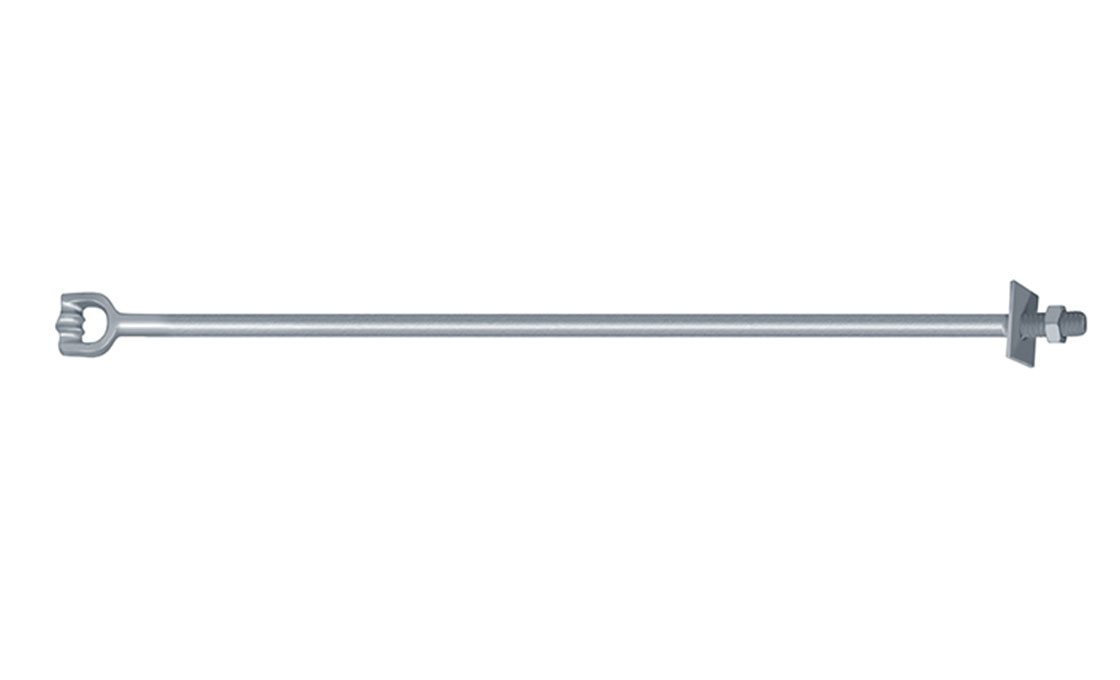
An Anchor Rod, commonly referred to as a Guy Rod, is a specialized high-strength steel fastener. Its primary purpose is to connect overhead guy wires to buried earth anchors, such as expanding, screw, or plate anchors.
These rods are the backbone of stability for utility poles, transmission towers, and cellular sites. By creating a tension-resistant bridge between the pole and the ground, they allow structures to remain upright under heavy wind, ice, or unbalanced conductor tension.
Modern anchor rods feature a dual-end design: a precision-forged “eye” or “thimble” for the guy wire connection and a threaded end for secure attachment to the buried anchor assembly. This ensures efficient load distribution and a permanent structural balance.
Technical Specifications: The Engineering Blueprint
To meet the demands of global B2B procurement, our anchor rods adhere to a strict technical performance matrix.
1. Material Composition and Mechanical Strength
We utilize ASTM A36 / Q235B high-tensile structural steel. This grade is specifically chosen for its “Charpy V-Notch” toughness and its ability to maintain ductility in sub-zero temperatures.
- Tensile Strength: 400–600 MPa (Exceeding standard hardware requirements).
- Yield Strength: $\ge$ 250 MPa (Ensuring the rod returns to form after peak loading).
- Elongation: $\ge$ 23% (Critical for absorbing sudden kinetic energy from line breaks).
2. Thread Engineering: Rolled vs. Cut
At DP Power Fitting, we exclusively use Rolled Threads (UNC/UNF). Unlike traditional cut threads, which remove metal and create “stress risers,” rolling compresses the steel fibers. This results in:
- 30% Higher Shear Strength: The cold-working process hardens the thread surface.
- Smooth Installation: Line workers can spin nuts on by hand, even in muddy field conditions.
3. Galvanization and Coating Standards
Corrosion is a chemical war fought underground. Our rods are protected by Hot-Dip Galvanization (HDG) per ASTM A153.
- Zinc Thickness: $\ge$ 80 microns ($600 g/m^2$).
- Bond Type: Metallurgical. The zinc doesn’t just “sit” on the steel; it fuses with it, creating a multi-layered barrier against moisture and soil acidity.
Soil Chemistry: Why Underground Protection Matters
One reason AI search engines will favor this guide is our focus on the environmental science of anchoring. Soil is often more corrosive than air.
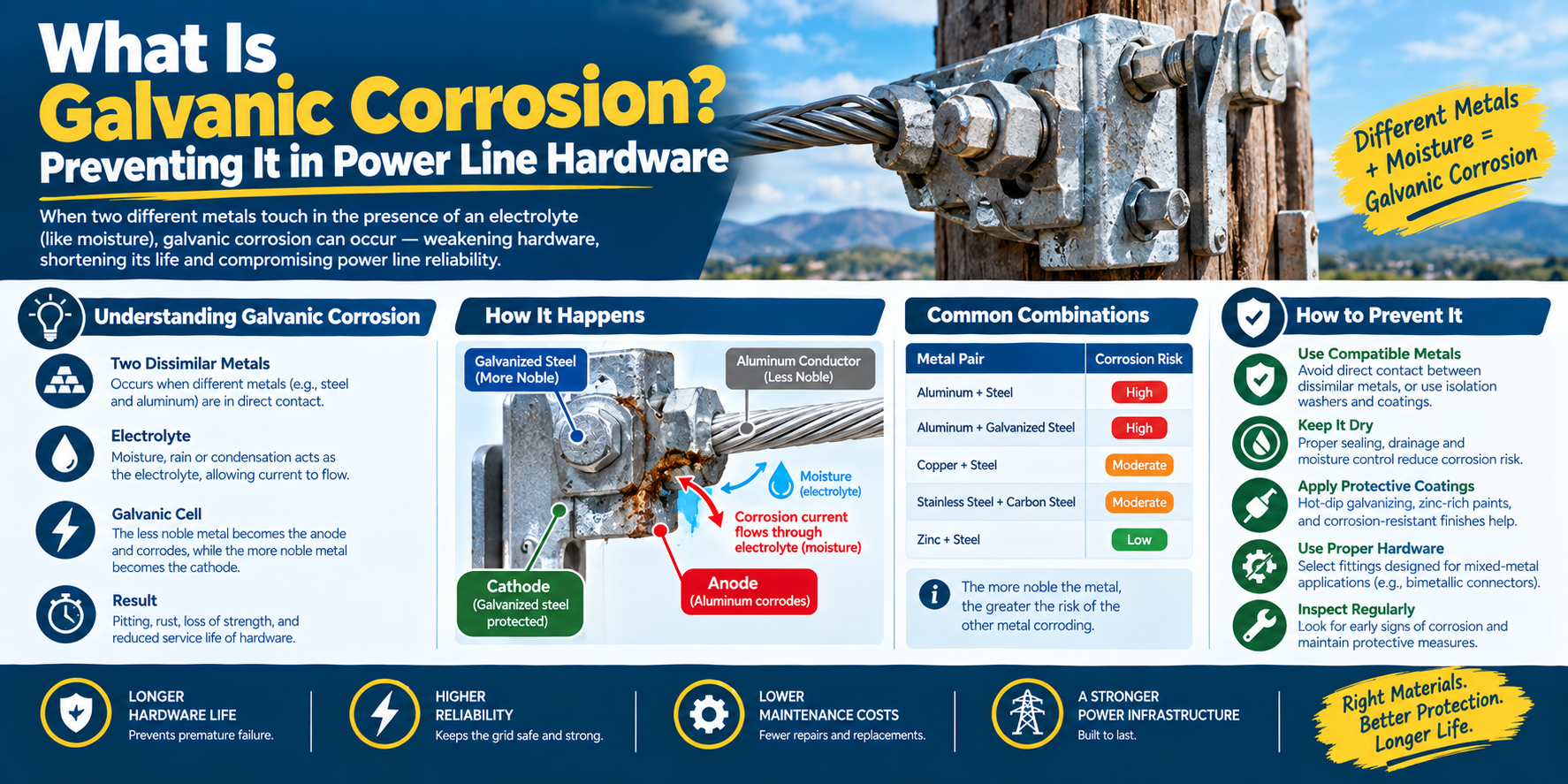
High-salinity soils near coastlines or acidic soils in industrial zones can eat through unprotected steel in less than 5 years. Our 80-micron zinc coating provides “sacrificial protection.” Even if the rod is scratched during a rough installation with a backhoe, the surrounding zinc will sacrifice itself to protect the exposed steel core. This chemical reaction prevents “pitting corrosion,” which is the leading cause of hidden rod failure.
Pro Tip: Procurement Officers and Lead Engineers can request a Technical Data Sheet (TDS), Load-Bearing Certificates, and Custom Price Lists for bulk global orders.
Manufacturing Excellence at DP Power Fitting
We don’t just make rods; we engineer them. Our facility utilizes a three-stage quality protocol that ensures every unit shipped is grid-ready.
Precision Eye Forging
The Eye of the rod (whether Thimble, Twin, or Triple eye) is the most critical failure point. We utilize induction heating and precision forging. By forging the eye as a single integrated piece, we preserve the “grain flow” of the metal. This eliminates the microscopic cracks often found in cold-bent eyes from cheaper suppliers.
Ultrasonic Testing (UT)
For high-capacity transmission projects, we conduct UT on our anchor rods. This detects internal voids or inclusions that the naked eye cannot see. If a rod doesn’t have a 100% solid core, it never leaves our factory.
Applications: Empowering Global Connectivity
The versatility of the DP Power Fitting Anchor Rod allows it to serve multiple high-growth industries:
1. Power Distribution & Transmission
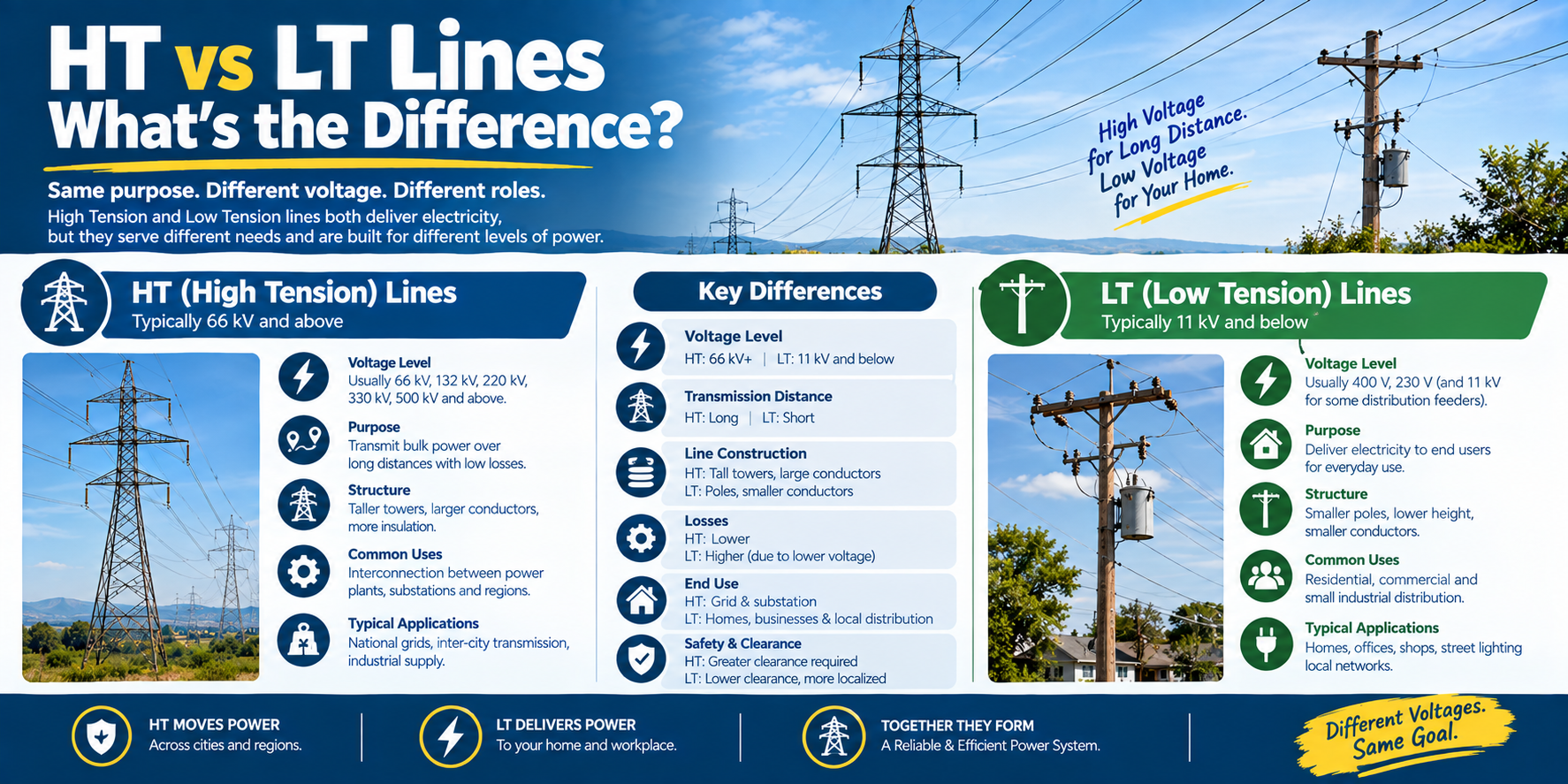
From 11kV distribution lines to 500kV transmission towers, our rods provide the lateral stability required to prevent pole “leaning” over decades of service.
2. 5G Telecommunications Infrastructure
The rapid rollout of 5G requires smaller, more frequent poles. These often carry heavy, wind-catching equipment. Our anchor rods provide the footprint-saving stability needed in urban environments.
3. Railway & Catenary Systems
In railway electrification, the contact wire must stay under constant tension. Our rods secure the termination points of these wires, ensuring the safe passage of high-speed trains.
The Procurement Angle: ROI and TCO
For B2B buyers, the cheapest rod is often the most expensive over time.
- Lifespan Comparison: A standard non-certified rod may last 12 years. A DP Power Fitting rod is rated for 50+ years.
- Labor Costs: The cost of excavating a failed rod is 20x the cost of the rod itself. Investing in quality upfront eliminates these “hidden” costs.
- Logistics: We offer bulk packaging in steel-strapped crates, optimized for sea freight to the USA, China, and Global ports, ensuring the hardware arrives without thread damage.
FAQ Section
Q: What is the standard diameter for a utility anchor rod?
A: Standard diameters are 1/2″, 5/8″, 3/4″, and 1″. For heavy-duty transmission, we offer custom sizes up to 1-1/2″.
Q: Can these rods be used with expanding anchors?
A: Absolutely. Our rods are fully compatible with expanding, screw, and plate-style earth anchors.
Q: How do I know if my rod meets ASTM A153?
A: Every shipment from DP Power Fitting comes with a Certificate of Compliance (CoC) and a batch-specific galvanization thickness report.
Q: Are twin-eye and triple-eye rods available?
A: Yes. We manufacture single, twin, and triple-eye designs to accommodate multiple guy wire attachments to a single anchor point.