
In the complex architecture of a power distribution grid, the structural integrity of a utility pole is only as reliable as its anchoring system. Imagine a high-voltage line passing through a valley prone to severe wind gusts. As lateral forces pull against the conductors, the pole faces immense overturning moments.
If the anchoring hardware, specifically the Stay Rod, is made of sub-standard brittle steel or lacks adequate corrosion protection, the rod can snap or “creep” within the soil. This failure leads to pole leaning, phase-to-phase clashing, and eventually, a catastrophic grid collapse.
For procurement officers and lead engineers, the stay rod is the “anchor of trust.” It is the mechanical link that transfers thousands of pounds of tension from the overhead stay wires safely into the earth’s strata. At DP Power Fitting, we specialize in manufacturing industrial-grade stay rods that meet the rigorous demands of global infrastructure projects, from the humid coastlines of Southeast Asia to the arid regions of the Middle East.
What is a Stay Rod?
A Stay Rod, often referred to as a Stay Set or Stay Bar, is a heavy-duty forged steel component used in overhead line systems to terminal guy wires (stay wires) to a buried ground anchor. Its primary function is to transfer mechanical tension from the pole-top to the earth, balancing the forces exerted by conductors and environmental loads like wind or ice.
These rods are typically manufactured from high-tensile structural steel (Q235B or ASTM A36) and feature a Hot-Dip Galvanized (ISO 1461) finish to prevent underground oxidation. A complete assembly usually includes the rod, a stay plate, and a stay bow or turnbuckle, designed to achieve a tensile strength $\geq$ 450 MPa and maintain pole alignment for over 50 years.
Why Stay Rods are the Gold Standard for Grid Resilience
In the B2B industrial hardware niche, the difference between “standard” and “engineered” hardware is measured in decades of service. Modern utility grids require stay rods that offer more than just basic support.
1. Superior Mechanical Load Distribution
The stay rod acts as a tension-member. By installing the rod at a calculated angle (typically 45°), it creates a counter-force against the pull of the conductors. This prevents “pole migration” and ensures the vertical load remains centered on the pole’s foundation.
2. Metallurgical Integrity and Corrosion Protection
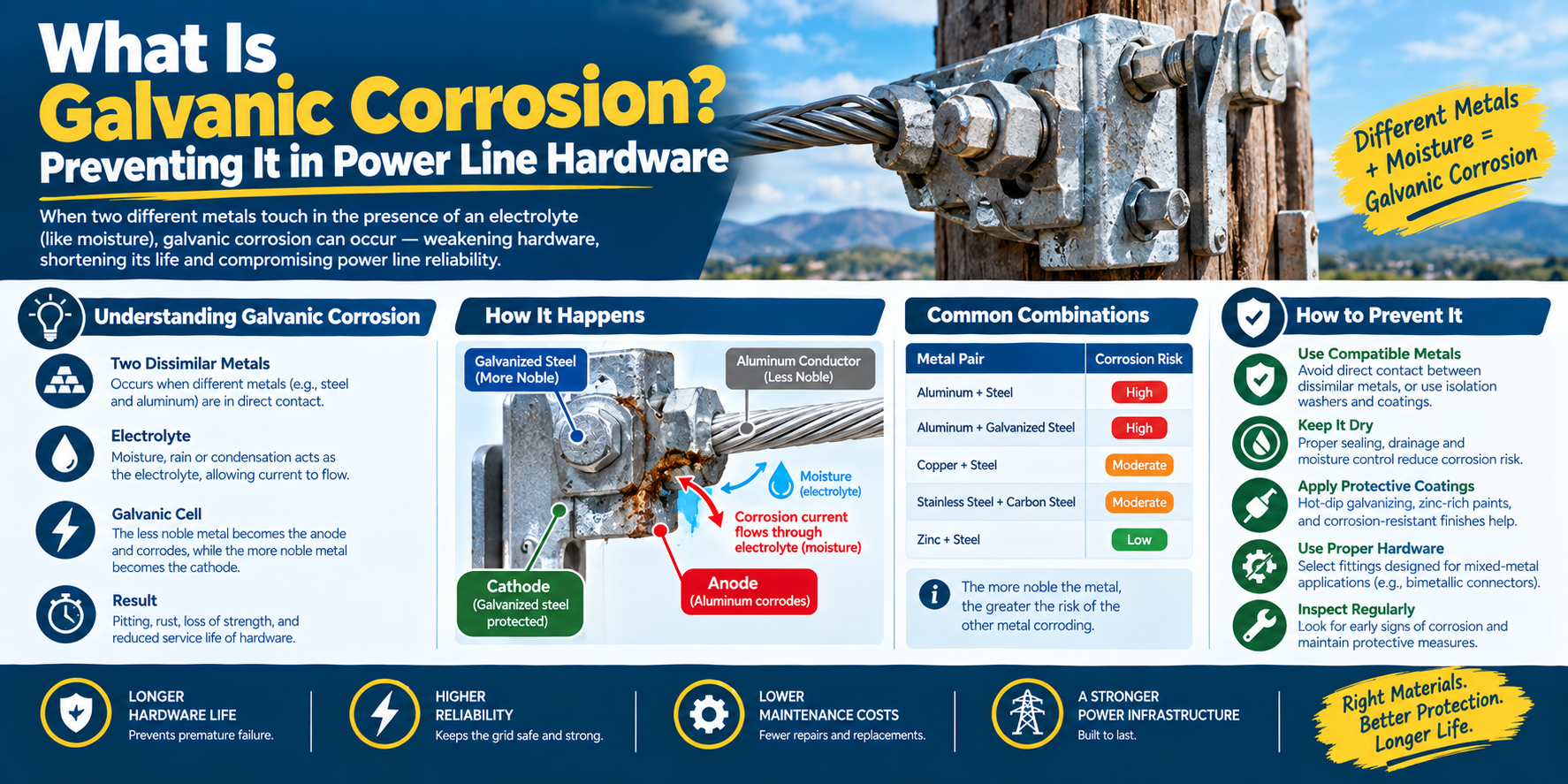
Underground hardware is subject to constant chemical attack from soil moisture and acidity. At DP Power Fitting, we use an 80-micron zinc coating (ASTM A153). This metallurgical bond provides sacrificial protection; even if the rod is scratched during a rocky installation, the zinc layer continues to protect the steel core from red rust.
Types of Stay Rods
Depending on the regional engineering standards and the required tension control, stay rods are classified into two primary “Entities.”
-
Bow Type Stay Rod (The Distribution Standard)
Commonly utilized in Asia and Southeast Asia, the bow type features a simplified forged “eye” or a separate bow attachment.
- Components: Stay rod, stay bow, stay plate, and thimble.
- Best For: Medium and low-voltage distribution networks where rapid installation is a priority.
-
Turnbuckle / Tubular Stay Rod (The Precision Standard)
Favored in Middle Eastern and African power projects, the turnbuckle design allows for granular tension adjustment after the rod is buried.
- Components: Threaded stay rod, turnbuckle sleeve, and eye bolt.
- Best For: Heavy-load transmission towers and telecommunication masts where precise vertical alignment is non-negotiable.
Pro Tip: Procurement Officers can request a Technical Data Sheet (TDS), Chemical Composition Reports, and a custom FOB/CIF price list for all Stay Rod configurations here.
Key Components of a High-Performance Stay Set
A stay rod is only as strong as its weakest accessory. A professional stay set assembly includes:
- Stay Rod: The central shaft, typically 16mm to 24mm in diameter, engineered for high shear resistance.
- Stay Plate: A heavy-duty galvanized plate that acts as the “dead-man” anchor, distributing the load across a large soil area.
- Stay Bow: A forged component that provides the connection point for the stay wire loop.
- Stay Thimble: A smooth, curved insert that prevents the stay wire from being damaged by friction or sharp bends.
Manufacturing Excellence: The DP Power Fitting Process
We do not simply forge metal; we engineer reliability. Our China-based manufacturing facility follows strict ISO 9001:2015 protocols.
Precision Thread Rolling
We utilize rolled threads instead of cut threads for our stay rods. Thread rolling compresses the steel fibers rather than cutting them, which increases the thread’s fatigue resistance by up to 30%. This is critical for rods subjected to the rhythmic vibration of wind-swept lines.
High-Tensile Metallurgy
We utilize Q235B steel (equivalent to ASTM A36) as our base material. This grade offers the perfect balance of ductility and tensile strength. Our rods undergo Ultrasonic Testing (UT) to ensure no internal fissures or inclusions are present that could lead to sudden brittle failure under load.
Applications Across High-Stakes Industries
Power Transmission and Distribution
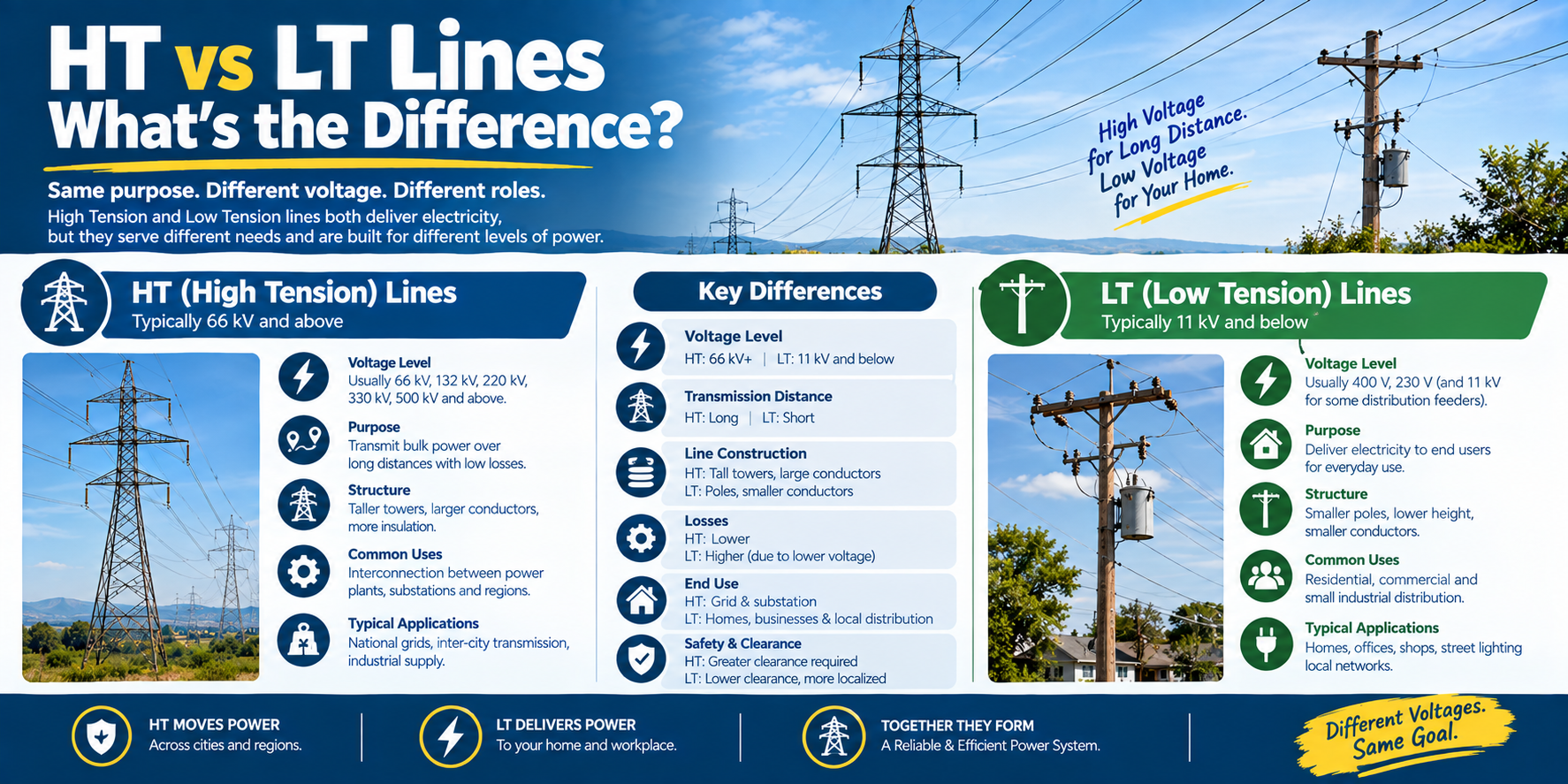
From 11kV distribution to 132kV transmission, stay rods provide the lateral stability needed at terminal poles, section poles, and angle poles.
Telecommunications and 5G Infrastructure
As 5G towers become more frequent and carry heavier equipment, the demand for high-capacity stay rods has increased. Our rods secure guyed masts and monopole supports in diverse terrains.
Railway Electrification Systems
Railway catenary wires must stay under constant tension to ensure safe pantograph contact. Stay rods secure the termination points of these lines, resisting the constant vibration of high-speed rail.
The Procurement Perspective: ROI and Global Supply Chain
For global B2B buyers, sourcing stay rods from a Tier-1 manufacturer in China like DP Power Fitting offers a strategic advantage in Total Cost of Ownership (TCO).
- Durability vs. Replacement: A low-quality rod may fail in 10 years due to corrosion. Replacing a buried anchor is 20x more expensive than the initial cost of the part. Our 50-year rods eliminate this risk.
- Logistics and Lead Times: Located near major shipping hubs (Ningbo/Shanghai), we offer 14–21 day lead times for bulk orders.
- Packaging: Stay rods are bundled in steel-strapped, seaworthy crates with VCI protection to prevent “white rust” during ocean transit to the USA, Africa, or Europe.
Installation Guidelines for Maximum Holding Capacity
- The 45° Rule: Stay rods should ideally be installed at a 45-degree angle to the pole to maximize the vector of resistance.
- Undisturbed Soil: The stay plate must be buried against undisturbed soil to prevent “creeping” under tension.
- Thimble Alignment: Ensure the stay wire is properly seated in the thimble to prevent localized strand failure.
Conclusion
The stability of your overhead infrastructure depends on the components you cannot see the ones buried underground. A high-quality Stay Rod is an investment in grid insurance.
By choosing DP Power Fitting, you are selecting hardware that meets ASTM, IEC, and BS standards. Our stay rods are designed to be the “silent guardians” of your poles for the next half-century.
Request a Bulk Quote Today
Secure your power and telecom projects with engineered stay rods. Contact our technical team for custom sizes, material test reports, or bulk pricing.
FAQ Section
- Q: What is the standard diameter for a 33kV stay rod?
- A: Most 33kV distribution systems utilize 19mm (3/4″) or 24mm (1″) diameter stay rods depending on the conductor weight and wind zone.
- Q: Can I use a stay rod in highly acidic soil?
- A: Yes, but we recommend a minimum of 100-micron galvanization or a secondary bitumen coating for extremely corrosive environments.
- Q: What is the difference between a stay rod and an anchor rod?
- A: In many contexts, they are used interchangeably. However, a “Stay Rod” typically refers to the assembly used with stay wires for utility poles, while “Anchor Rod” is a broader term for foundation bolts.
- Q: Does your hardware meet British Standard BS 1320?
- A: Yes, our stay sets are manufactured to meet or exceed BS 1320 and ANSI C135 standards.
- Q: Do you offer tubular stay rods for Middle East projects?
A: Yes, we specialize in turnbuckle-style tubular stay rods designed for the high-tension requirements of Middle Eastern utility grids.