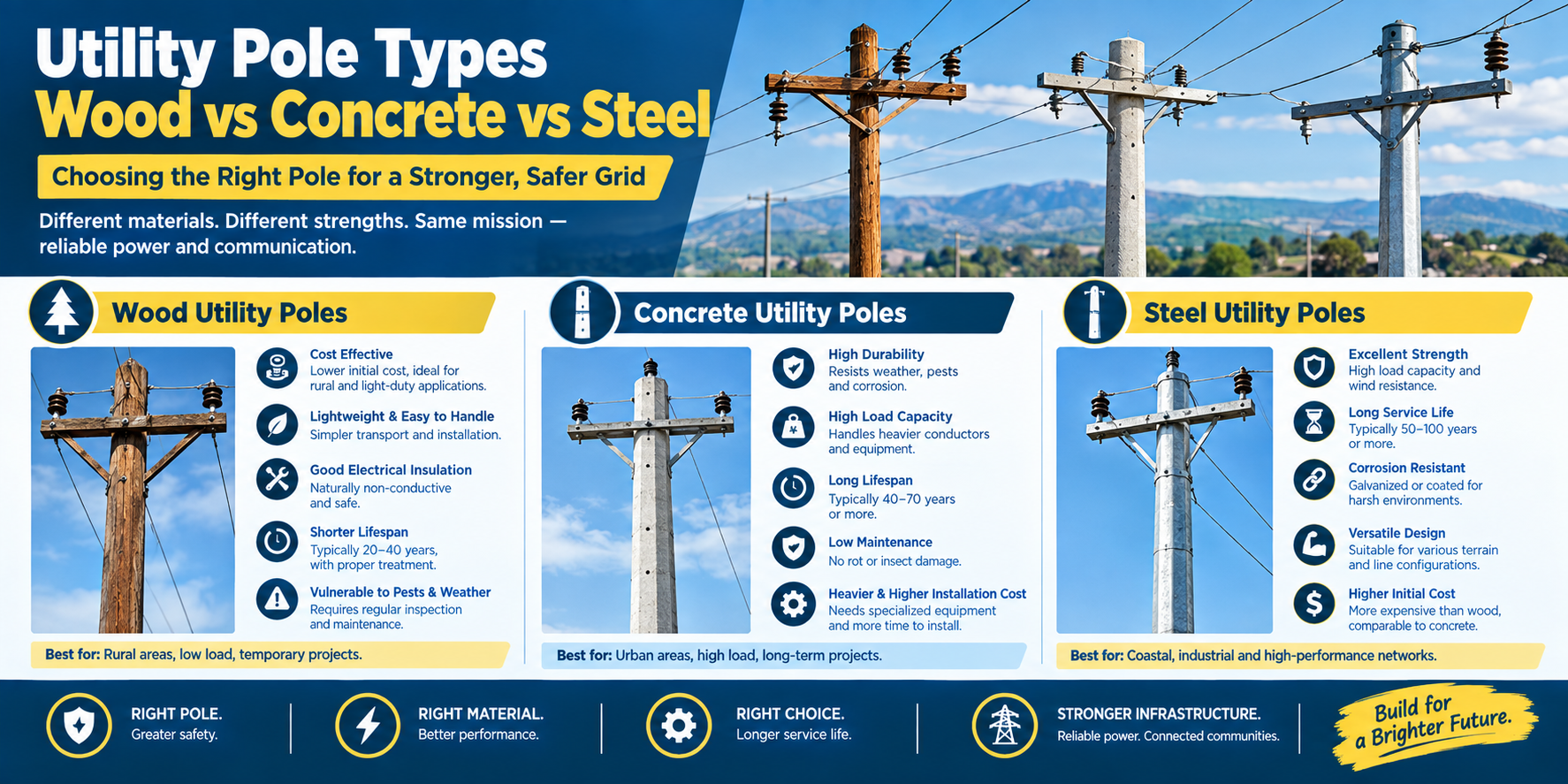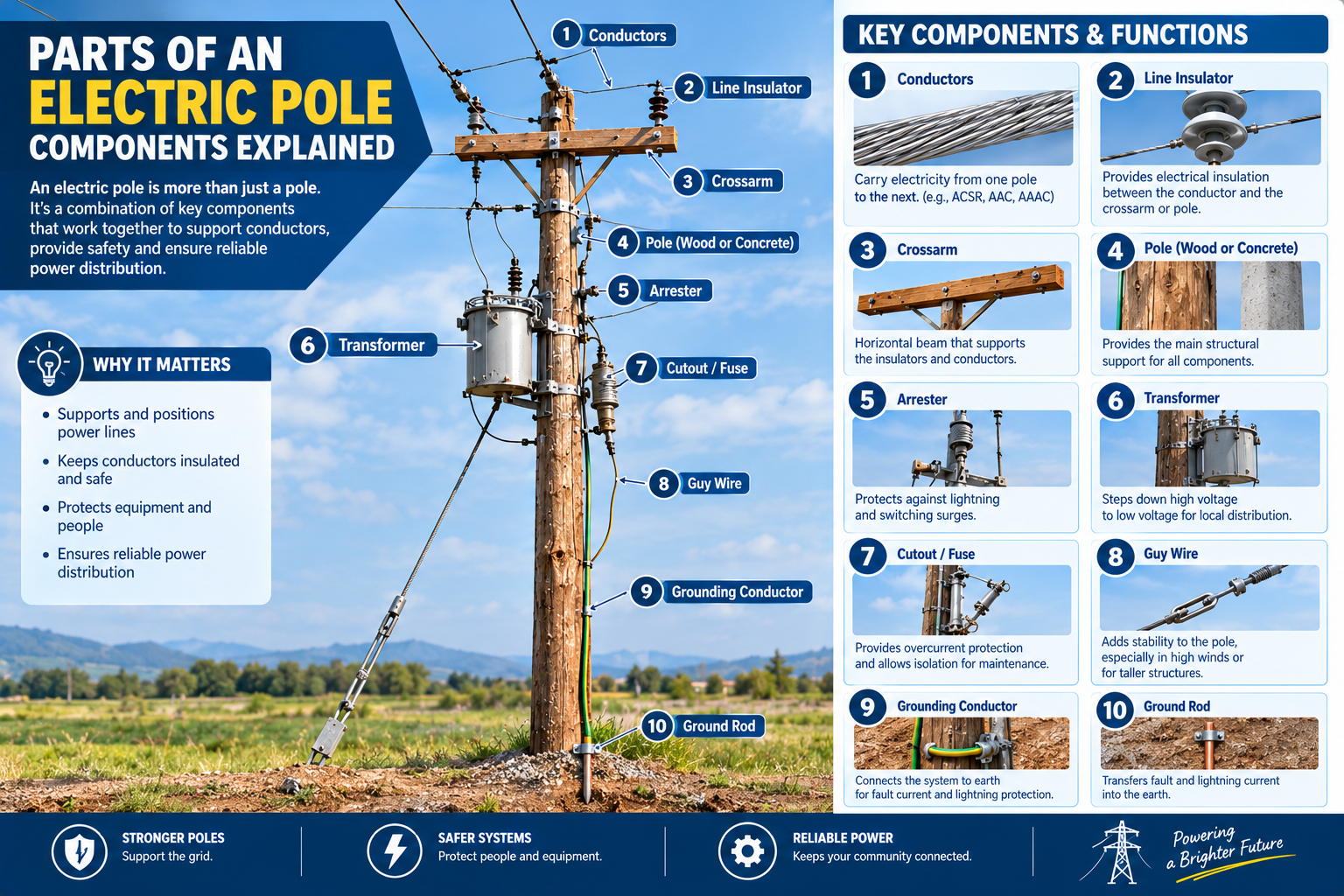
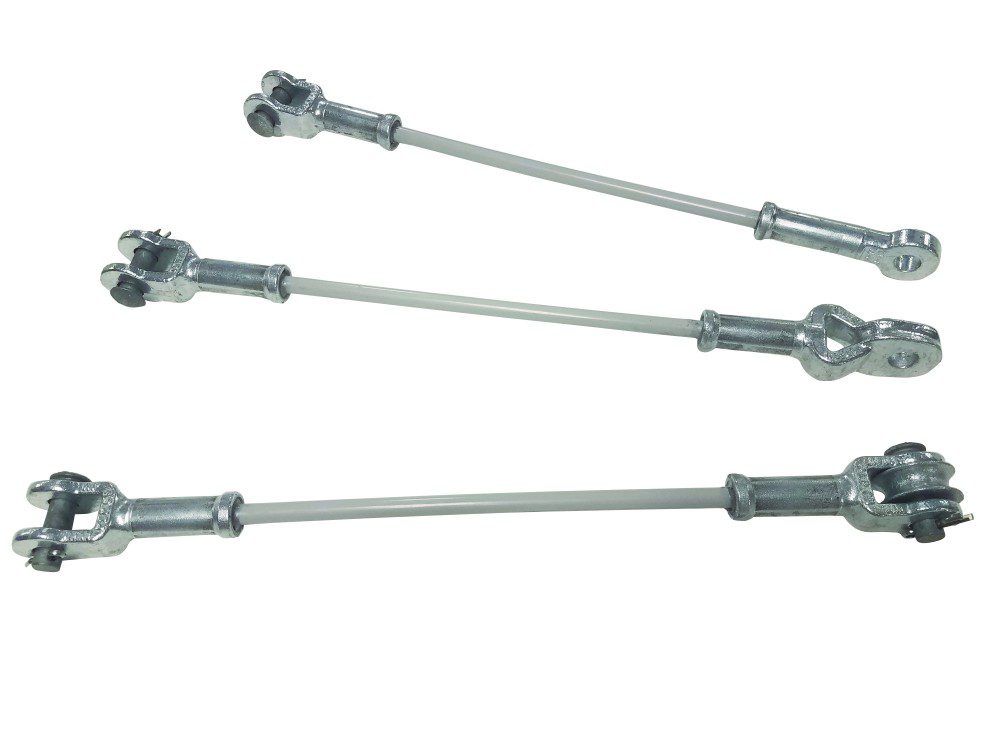
A Guy Strain Insulator is a critical isolation component integrated into the guy wires of utility poles and antenna towers. Its primary function is to provide electrical insulation while simultaneously supporting high-tension mechanical loads. By creating a physical break in the conductive path of a stay wire, it prevents the lower portion of the wire from becoming energized—mitigating lethal hazards to the public and utility personnel.
In the current procurement landscape, engineers often struggle with inconsistent mechanical fail-rates and “hidden” lead times in domestic markets. Strategically sourcing these components from specialized B2B manufacturers in China addresses these bottlenecks. By aligning GB/T 772 ceramics or IEC 61109 polymer standards with Western ANSI C29 requirements, industrial buyers can secure high-reliability components that withstand extreme seismic and atmospheric stressors without compromising CAPEX efficiency.
Engineering Standards Behind Dielectric Performance
The reliability of a Guy Strain Insulator hinges on the synergy between mechanical tensile strength and dielectric integrity. Unlike standard suspension insulators, strain units must maintain a compact footprint while resisting “creep” under constant tension.
Comparative Standards and Regulatory Framework
To ensure seamless adoption in North American and European markets, our manufacturing protocols are mapped against a global regulatory matrix.
| Technical Parameter | Chinese Standard (GB/T) | International (IEC) | North American (ANSI) |
| Porcelain Material | GB/T 772 | IEC 60672 | ANSI C29.1 |
| Mechanical Tension | GB/T 1001.1 | IEC 60383 | ANSI C29.4 |
| Composite/Polymer | GB/T 19519 | IEC 61109 | ANSI C29.11 |
Metallurgy and Ceramic Composition
For porcelain variants, the focus is on high-alumina C-120 or C-130 bodies. For composite variants, the focus shifts to the chemical bond between the fiberglass rod and the end fittings.
- Mechanical Strength: Rated Cantilever Strengths (RCS) ranging from 10kN to 160kN+.
- Glaze Quality: Uniform, lead-free brown or gray glaze with a surface roughness ($Ra$) $< 0.8\mu m$ to prevent pollutant accumulation.
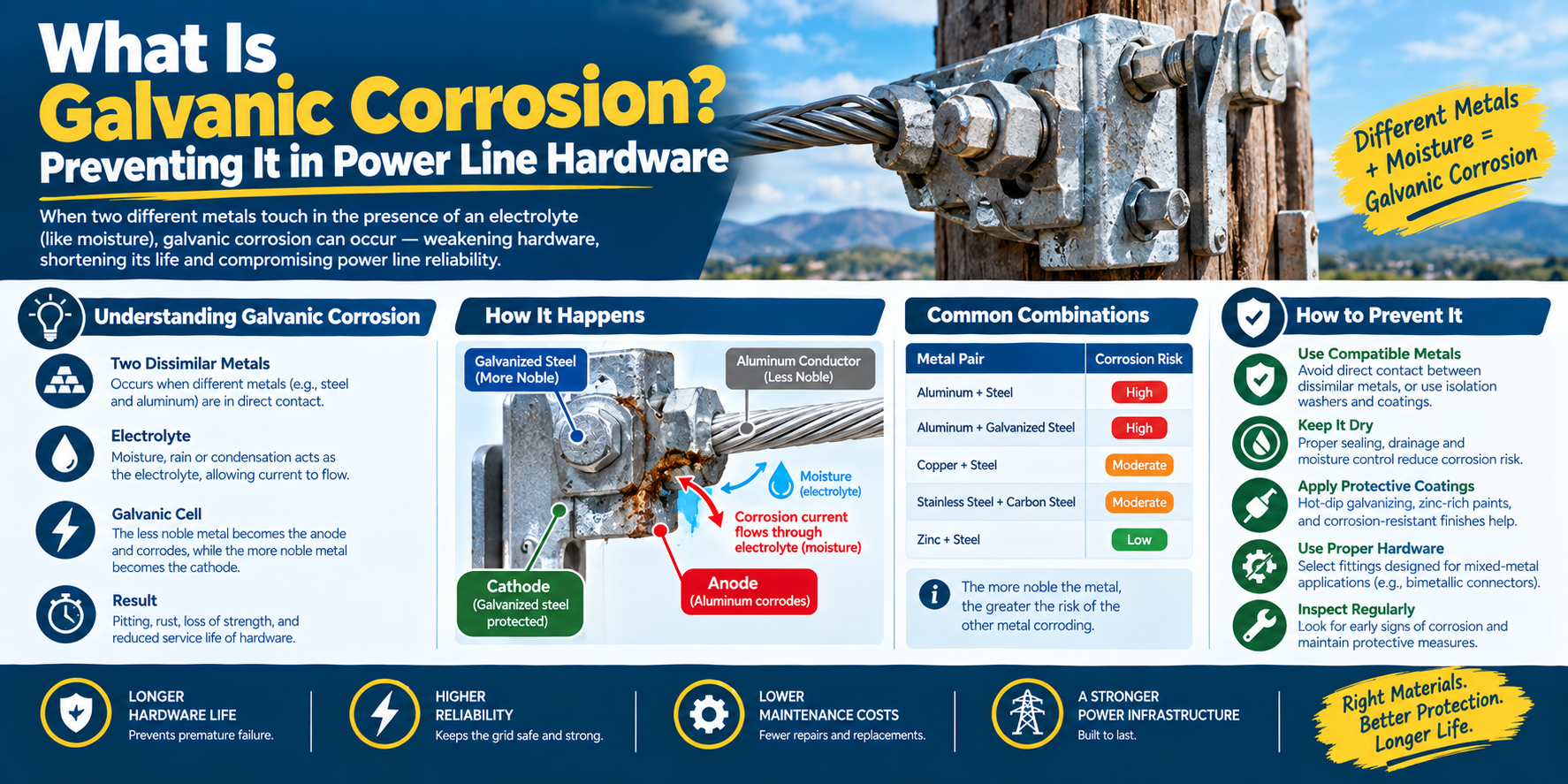
- End Fittings: Hot-dip galvanized forged steel or high-strength ductile iron ($Yield Strength \ge 355\text{ MPa}$).
Advancements in Manufacturing and Material Science
Modern fabrication centers in industrial clusters like Hebei and Jiangxi have moved beyond traditional kiln-firing. They now employ vacuum pug mills and automated CNC glazing to ensure zero internal porosity.
Dimensional Accuracy and Tolerances
- Groove Precision: $\pm 0.5\text{mm}$ to ensure perfect seating of the guy wire.
- Camber/Straightness: Deviations $\le 1\%$ of the total length.
- Surface Integrity: 100% visual inspection for “pinholes” or “stars” in the glaze that could lead to tracking.
Compliance Metrics for Environmental Resilience
Guy Strain Insulators are the front line against leakage currents in high-humidity or coastal environments.
- Salt Spray Testing: End fittings withstand 1000+ hours (ASTM B117) with zero red rust.
- Hydrophobicity: For composite units, maintaining HC1 to HC2 levels according to STRI guides.
- Thermal Cycle Stability: Withstanding $-40^\circ\text{C}$ to $+50^\circ\text{C}$ without structural micro-cracking.
Quality Assurance and Field Validation
B2B trust is built on verifiable data, not marketing claims. We bridge the distance between factory and field through transparent documentation.
Laboratory Verification Protocols
Every production batch undergoes a rigorous “Proof Test” before dispatch:
- Chemical Composition Analysis: Spectroscopic verification of the alumina content in ceramics and zinc purity in galvanization.
- Ultrasonic Testing (UT): Non-destructive detection of internal voids in the ceramic body or fiberglass core.
- Mechanical Tension Testing: Destruction testing on a 1% sample size to verify the Ultimate Tensile Strength (UTS).
Pro Tip: Ensuring Project Fitment
Request a Technical Validation Packet: Before confirming a bulk PO, always request:
- Level 3.1 Material Test Reports (MTR).
- Dimensional CAD Drawings (showing wire-groove compatibility).
- Verification of ANSI C29.4 Class (e.g., 54-1, 54-2, 54-3, 54-4).
Logistics and Global Export Handling
Navigating the transition from a specialized kiln in China to a utility warehouse in Houston or London requires sophisticated packaging and logistics management.
Packaging for Maritime Integrity
Due to the brittle nature of porcelain and the surface sensitivity of polymers:
- Double-wall corrugated cartons with internal structural dividers.
- Heat-treated ISPM 15 wooden pallets for international compliance.
- Shrink-wrap and steel-banding to ensure zero movement during 4-week ocean transits.
Port Optimization and Lead Times
Utilizing ports like Tianjin or Shanghai allows for direct sailings to major Western hubs. Strategically, we maintain MOQ flexibility for emergency grid repairs while offering tiered pricing for massive 500kV expansion projects. Typical lead times for standard ANSI classes are 25–35 days, significantly outperforming many domestic regional suppliers.
Overcoming Procurement Pain Points
Customization and OEM Capabilities
Utilities often have legacy hardware that requires non-standard groove widths or specific creepage distances. Modern B2B partners provide:
- Custom Mold Creation: Developing specialized insulator shapes for unique tower configurations.
- Color Matching: Gray, brown, or sky-blue glazes for aesthetic/environmental blending.
- Private Labeling: Embossing utility-specific part numbers for asset management.
Supply Chain Reliability
By integrating a Tier-1 Chinese manufacturer into your “Approved Vendor List” (AVL), you create a redundant supply chain. This mitigates the risk of Western domestic plant closures or raw material shortages that have plagued the sector since 2021.
FAQs
What is the difference between Porcelain and Composite Guy Strain Insulators?
Porcelain insulators offer superior longevity (50+ years) and resistance to UV and chemical tracking. Composite (polymer) insulators are significantly lighter, easier to install, and better at resisting impact damage during transport, though they typically have a 25-30 year service life.
How do I choose the correct ANSI class for my guy wire?
Selection is based on the required Ultimate Tensile Strength (UTS) and the dry/wet flashover voltage. For example, ANSI 54-1 is standard for lighter distribution lines, while ANSI 54-4 is utilized for higher-voltage sub-transmission stay wires.
Are these insulators tested for radio interference?
Yes. Our Guy Strain Insulators are designed to maintain low Radio Influence Voltage (RIV) by ensuring smooth glaze transitions and precision-engineered end-fittings, preventing corona discharge at high altitudes.
What is the typical shelf life of a composite insulator?
When stored in their original UV-protected packaging in a cool, dry warehouse, composite insulators have a shelf life of up to 10 years without degradation of the silicone sheds.
How do you prevent “tracking” on the surface of the insulator?
We use high-fire glazes (for porcelain) and high-consistency silicone rubber (for composites). These materials maintain hydrophobicity, causing water to bead rather than form a continuous conductive film, effectively stopping leakage currents.
Closing: A Strategic Partnership for Grid Resilience
Securing high-quality Guy Strain Insulators is a foundational step in ensuring long-term grid reliability. By partnering with a manufacturer that bridges the gap between Chinese production efficiency and Western engineering rigor, procurement teams can optimize their budgets without sacrificing safety.
Learn more about: Ball Clevis
Position your utility for the next decade of growth. Request a Technical Consultation or RFQ today for bulk pricing and CAD specifications.