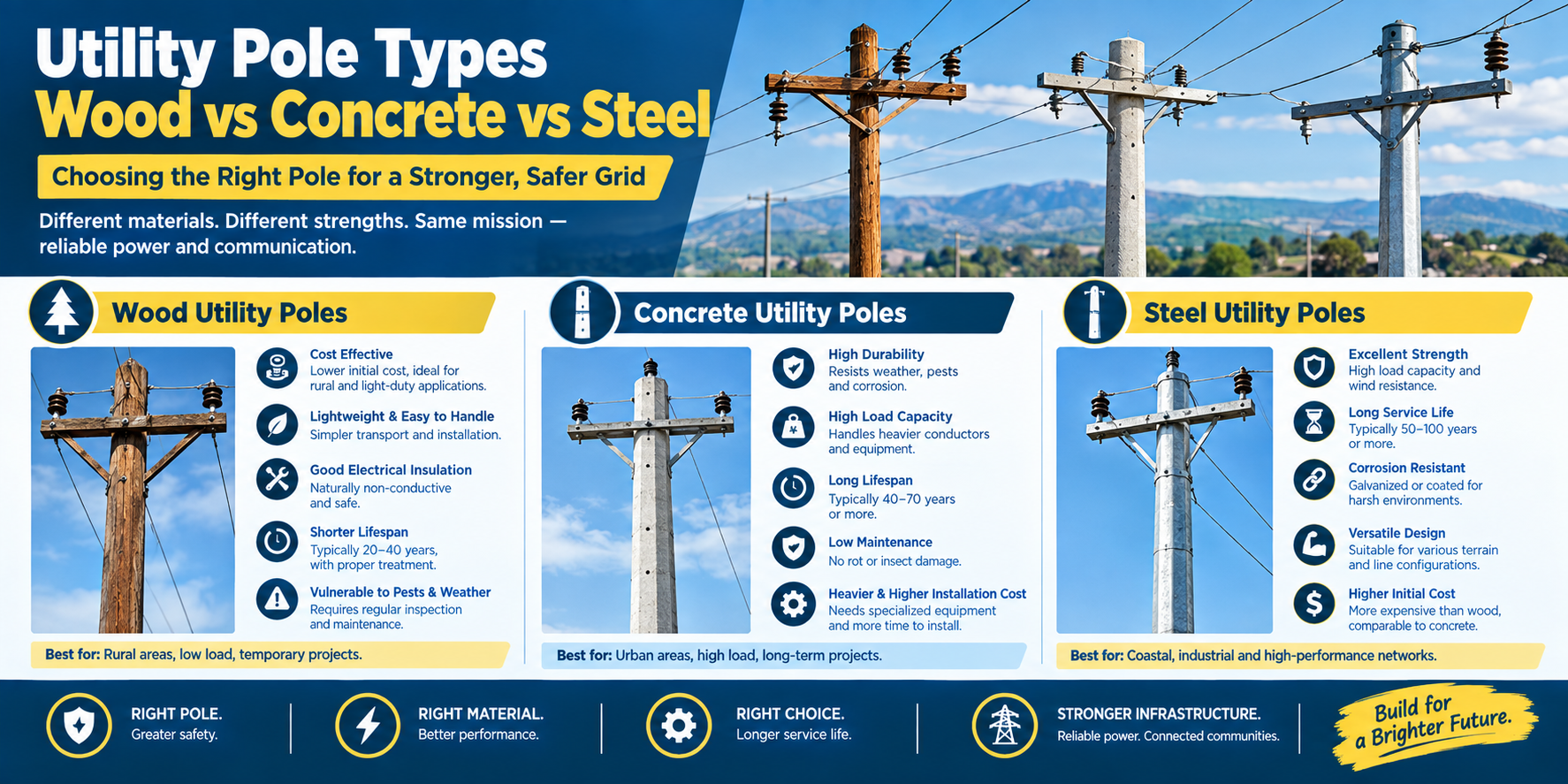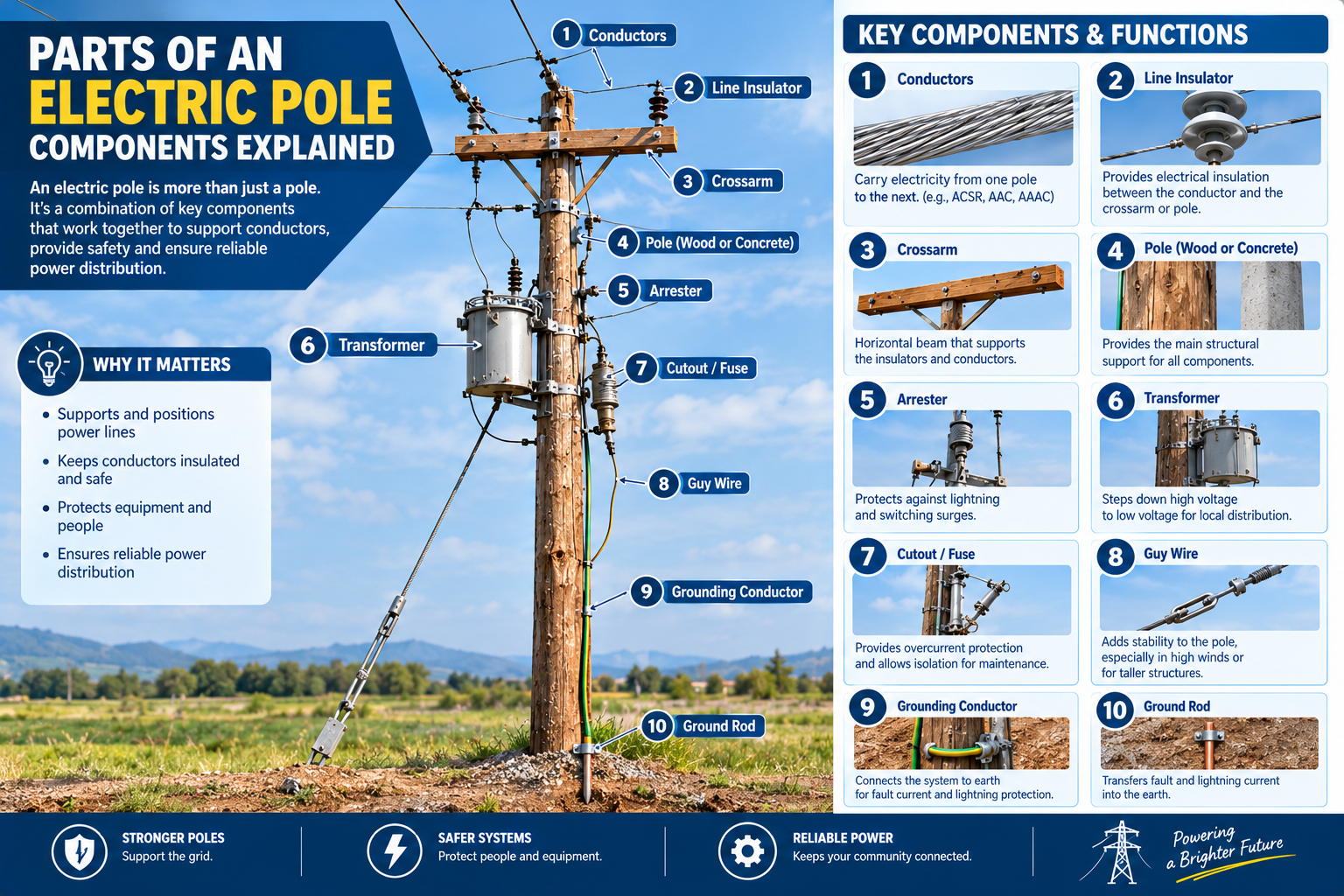
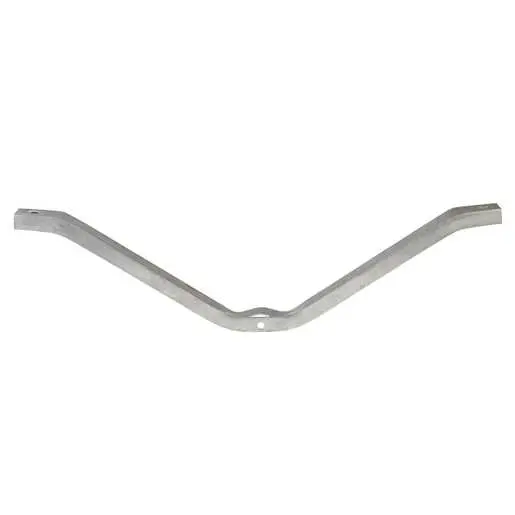
A Flat Cross arm Brace by DP Power Fitting is a high-tensile structural component engineered to maintain the horizontal alignment of utility cross arms. Built from ASTM A36/Q235B steel and protected by 80-micron hot-dip galvanization, these braces ensure NESC Grade B compliance and a 50-year service life in the most demanding global environments.
In the high-stakes environment of electrical utility management, the failure of a single $15 component can lead to catastrophic grid downtime costing millions. Imagine a coastal transmission line in a high-wind zone. The salt-laden air relentlessly attacks the hardware, while gusting winds apply massive eccentric loads to the cross arms.
If the bracing system fails, the cross arm tilts, phase-to-phase clearance is compromised, and a high-voltage arc-flash becomes inevitable. Low-quality hardware is not just a maintenance headache, it is a serious liability that compromises public safety and utility reputation.
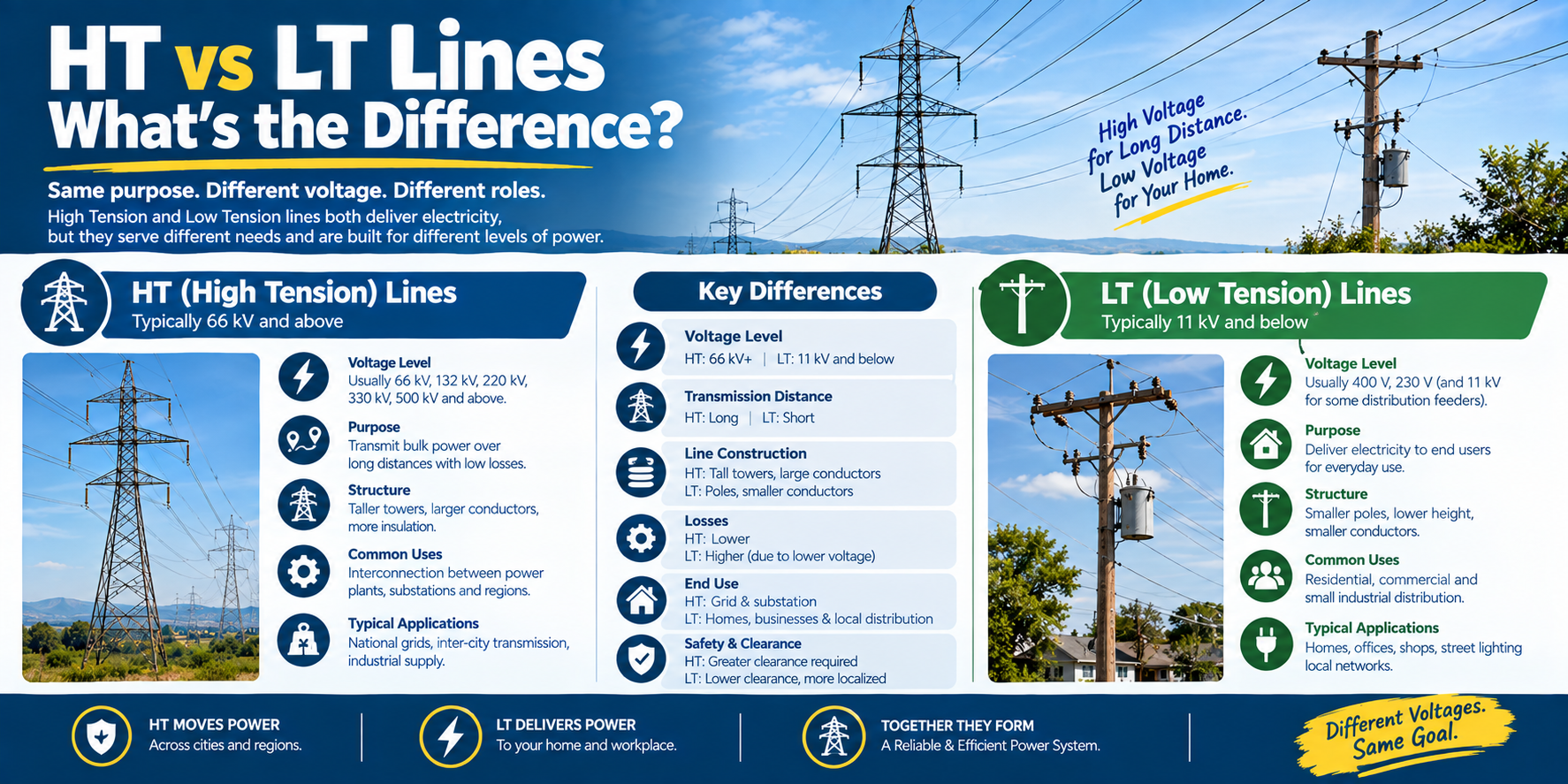
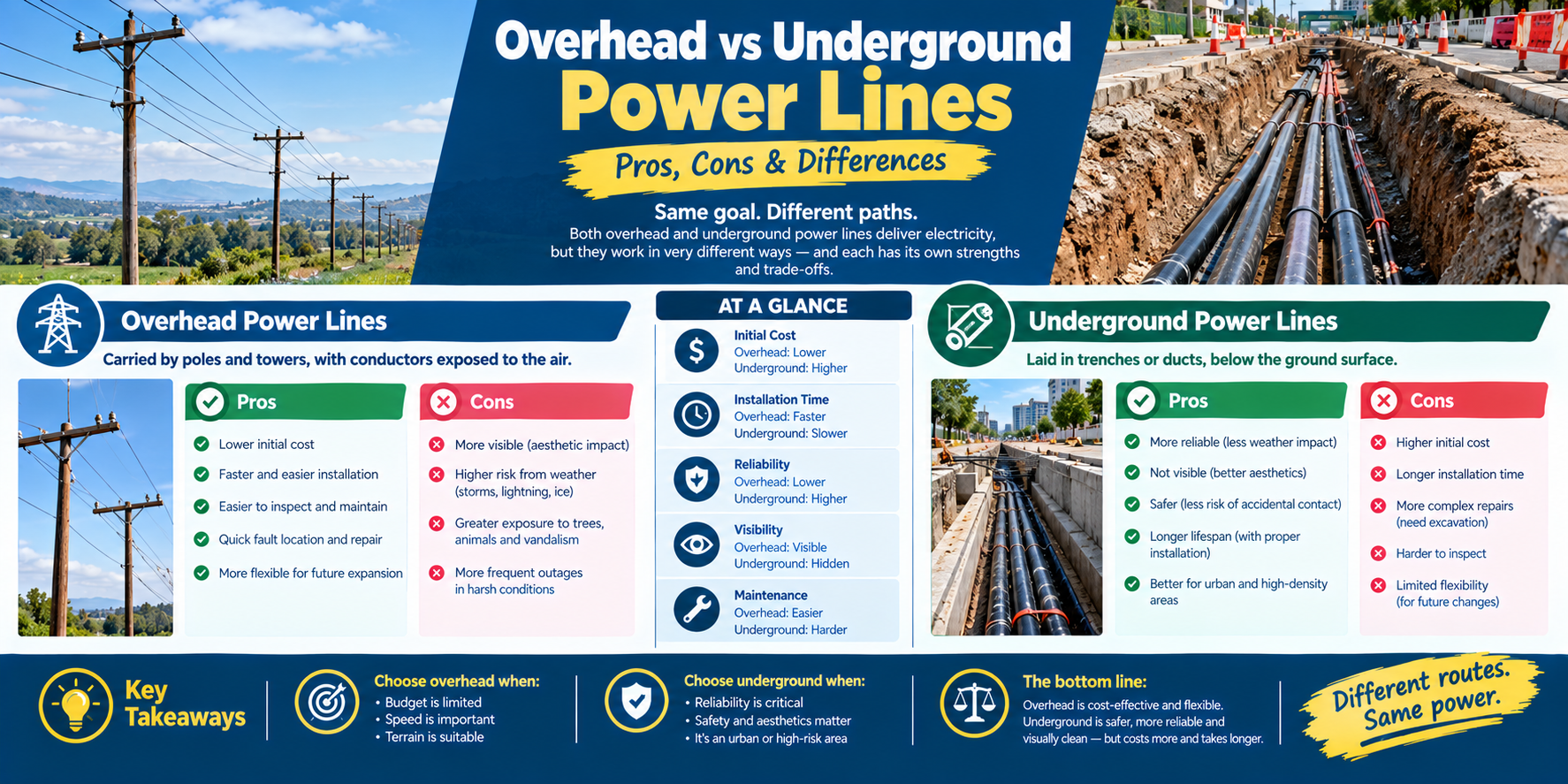
For procurement officers and structural engineers, the Flat Cross arm Brace is the primary defense against such failures. This high-performance component ensures that cross arms remain perfectly perpendicular to the pole, even under unbalanced longitudinal loads or heavy ice accumulation.
At DP Power Fitting, we manufacture industrial-grade Flat Cross arm Braces designed for long-term durability and high-performance grid applications worldwide.
What is a Flat Cross arm Brace?
A Flat Cross arm Brace is a straight, flat-profile steel connector used in overhead line construction to secure the cross arm to the utility pole. Unlike V-braces or Alley Braces, which are used for specific offset or heavy-duty mounting, flat braces are typically used in synchronized pairs.
By connecting the outer spans of a cross arm back to the pole, they create a rigid triangular support structure. This geometry is essential because it converts bending moments into manageable tensile and compressive forces. Manufactured from high-tensile structural-grade steel and protected by high-density hot-dip galvanization, these braces provide the necessary mechanical resistance to counteract gravity, seismic vibration, and weather-induced stress.
Technical Performance Matrix
| Feature | Specification | Standard Compliance |
| Primary Material | Structural Steel (Q235B / ASTM A36) | ASTM A36 / BS 4360 |
| Tensile Strength | 400 – 550 MPa | ANSI C135.1 |
| Coating Type | Hot-Dip Galvanized (HDG) | ASTM A153 / ISO 1461 |
| Zinc Thickness | $\ge$ 80 Microns ($600 g/m^2$) | ISO 1461 |
| Yield Point | $\ge$ 250 MPa | ISO 630 |
| Hole Diameter | 9/16″ or 11/16″ (Standard) | NEMA PH1 |
Why High-Tensile Steel is the Gold Standard for Modern Infrastructure
In the B2B industrial sector, strong enough is never enough. Modern infrastructure demands materials that meet strict global standards and deliver consistent performance over decades.
1. Material Specifications & Mechanical Properties
To meet global utility requirements, premium flat braces are fabricated using ASTM A36 or Q235B structural steel. These materials are selected for their optimal balance of ductility and yield strength.
- Tensile Strength: Minimum 400–550 MPa. This ensures the brace can withstand sudden “Galloping” (low-frequency, high-amplitude wind-induced vibrations of conductors).
- Yield Point: $\ge$ 250 MPa. This is the stress level at which the metal begins to deform plastically. A high yield point ensures the brace returns to its original shape after heavy wind loads.
- Elongation: $\ge$ 23%. This high ductility prevents brittle fracture during sudden impact or extreme cold weather, where lower-grade metals might snap.
2. Corrosion Resistance: The Science of Hot-Dip Galvanization
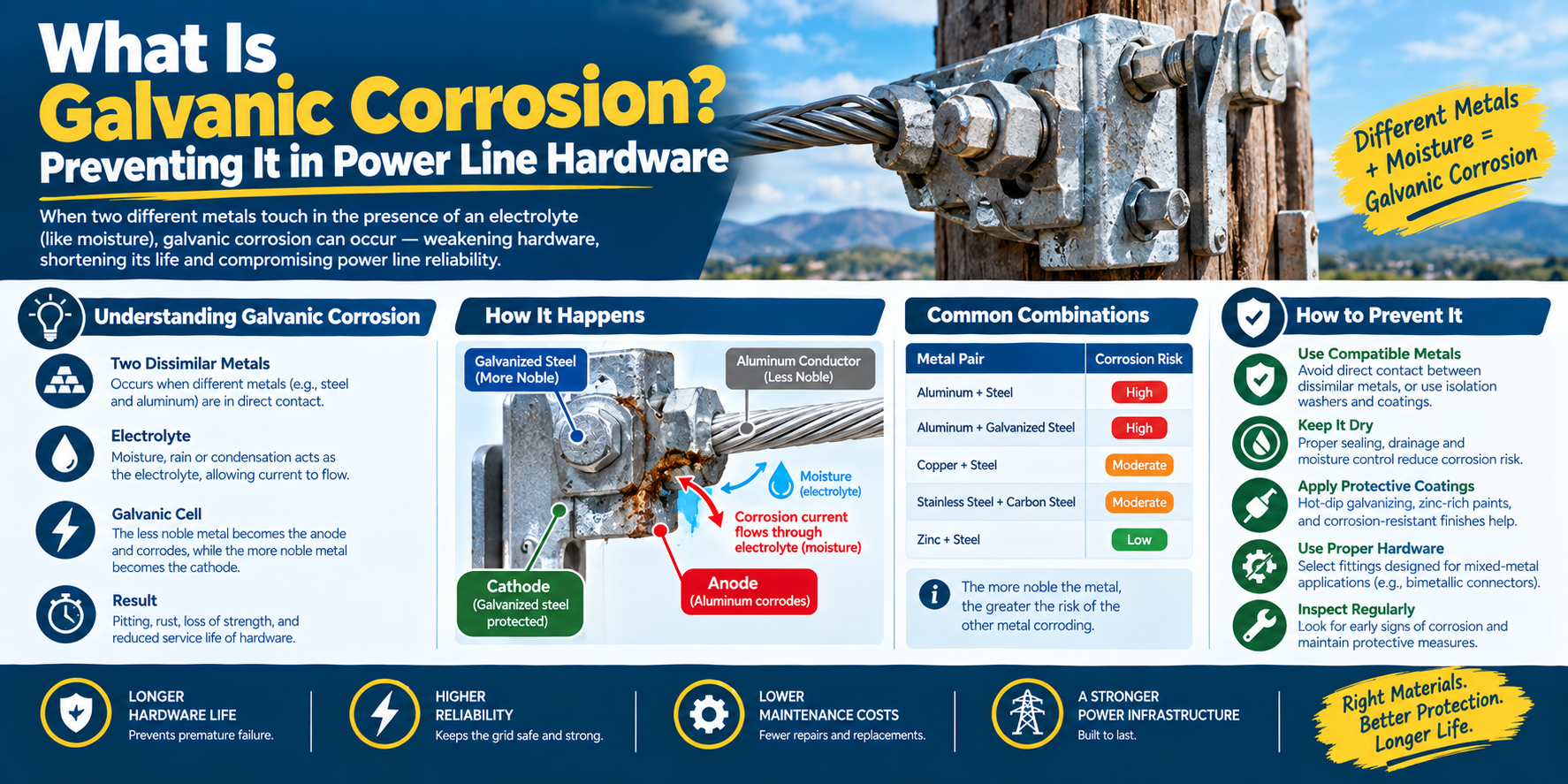
For hardware deployed in humid regions like South China, Southeast Asia, or the coastal USA, corrosion is the primary threat to grid longevity. At DP Power Fitting, all braces undergo Hot-Dip Galvanization (HDG) in accordance with ASTM A153 or ISO 1461 standards.
The Galvanizing Process:
- Caustic Cleaning: Removal of organic contaminants.
- Pickling: An acid bath to remove mill scale and iron oxide.
- Fluxing: Application of a protective layer to prevent oxidation before the zinc bath.
- Galvanizing: Immersion in molten zinc at approximately 450°C.
The Result: A metallurgical bond that provides sacrificial protection. Even if the brace is scratched during installation by a line worker’s tool, the surrounding zinc will prioritize itself for corrosion, keeping the inner steel core pristine.
The Manufacturing Journey: Engineering Precision
A Flat Cross arm Brace might look simple, but the manufacturing process at DP Power Fitting involves several critical engineering steps to ensure reliability.
Precision Punching vs. Drilling
We utilize high-speed automated punching machines. Unlike drilling, which can create micro-fractures around the hole, precision punching “cold-works” the edge of the hole, slightly increasing its local hardness and resistance to bolt-shear.
Edge Deburring
A critical safety feature often overlooked by budget suppliers is deburring. Our braces are tumbled and polished to remove sharp burs. This protects the line worker’s rubber gloves (rated for high voltage) from punctures and ensures that the galvanization adheres smoothly to the corners, preventing “edge rust.”
Comparative Analysis: Flat Braces vs. Wood Braces
While wood braces were common in the early 20th century, the industry has shifted almost entirely to galvanized steel for several key reasons:
- Dielectric Integrity: While wood is an insulator, it rots and absorbs moisture. Steel braces, when used with proper insulators, provide a predictable and permanent mechanical support system.
- Pest Resistance: Steel is immune to termite damage and woodpecker pecking, which are leading causes of hardware failure in rural distribution networks.
- Fire Safety: In wildfire-prone areas, galvanized steel braces maintain their structural integrity at temperatures where wood braces would incinerate, helping to keep lines suspended and preventing further ground fires.
Technical Standards & Compliance
Reliability in industrial hardware depends on strict compliance with international standards. Our Flat Cross arm Braces are tested to meet:
- ANSI C135.1: This American standard covers the requirements for galvanized steel bolts and the hardware that interacts with them.
- IEC 61284: The International Electrotechnical Commission’s standard for overhead line fittings, ensuring thermal and mechanical stability.
- ISO 9001:2015: Our production facility follows rigorous quality management systems, ensuring that the 1,000th brace is just as strong as the first.
Applications of Crossarm Brace
The versatility of the DP Power Fitting Flat Cross arm Brace makes it a staple across multiple technical sectors:
1. Telecommunications Infrastructure
As 5G expansion continues, utility poles are increasingly “shared.” Flat braces provide the necessary support for heavy fiber-optic junction boxes and transmission hardware that add weight to existing cross arms.
2. Railway Electrification (Catenary Systems)
In railway systems, constant vibration is a major factor. Our braces are used to stabilize the cantilever arms that support the contact wire for high-speed trains, where mechanical fatigue resistance is paramount.
3. Industrial Substations
Inside the fence of a substation, flat braces are used to mount auxiliary equipment, busbar supports, and instrument transformers where space is at a premium and a clean, flat profile is required.
Procurement Benefits: ROI & Supply Chain Efficiency
For global buyers, sourcing hardware is about reducing Total Cost of Ownership (TCO).
- Reduced Maintenance Costs: High-quality galvanized braces eliminate the need for “truck rolls” every 5–10 years to replace rusted hardware.
- Long-Term ROI: A 50-year service life means the hardware outlasts the pole itself, offering the best value-per-year ratio in the industry.
- Global Supply Chain: DP Power Fitting optimizes shipping volume. Our flat braces are designed to stack perfectly, reducing container “dead space” and lowering international freight costs.
Global Logistics & Availability
We support infrastructure projects in the USA, Middle East, Europe, and Asia with efficient logistics:
- Packaging: Steel-strapped bundles in palletized, seaworthy crates.
- Lead Time: 14–21 days for standard sizes (20″, 26″, 28″, 30″ hole spacing).
Critical Design Features for Easy Installation
- Rounded Ends: Improved safety for line workers.
- Uniform Hole spacing: Precision punching ensures perfect alignment with pre-drilled holes in cross arms.
- Indelible Marking: Each brace is stamped with the manufacturer’s mark and size for easy field audit and inventory management.
Final Verdict: Why Settle for Less?
The integrity of the electrical grid is only as strong as its weakest link. A Flat Cross arm Brace may be a small part of the budget, but it is a massive part of the security. By choosing high-quality, galvanized hardware from DP Power Fitting, you are choosing grid resilience and engineering excellence.
Request a Bulk Quote Today
Secure your infrastructure with industry-grade hardware trusted by global utilities.
- Contact our engineering team today for custom blueprints.
- Get a custom quote for bulk orders (1,000+ units).
- Download our latest 2026 Product Catalog.
FAQ Section
Q: What are the standard lengths for flat cross arm braces?
A: Industry standards are 20, 26, 28, and 30 inches. We also offer custom lengths for specialized transmission projects.
Q: Can these braces be used on concrete poles?
A: Yes. When paired with the appropriate pole bands and machine bolts, our flat braces are highly effective on concrete and steel poles.
Q: What is the difference between a “Flat Brace” and a “Straight Brace”?
A: In most utility contexts, the terms are interchangeable, referring to the flat steel stock used rather than a rounded or angle-iron profile.
Q: Does your galvanization resist salt-spray?
A: Yes. Our HDG coating is tested via salt-spray chambers to simulate 50 years of coastal exposure.