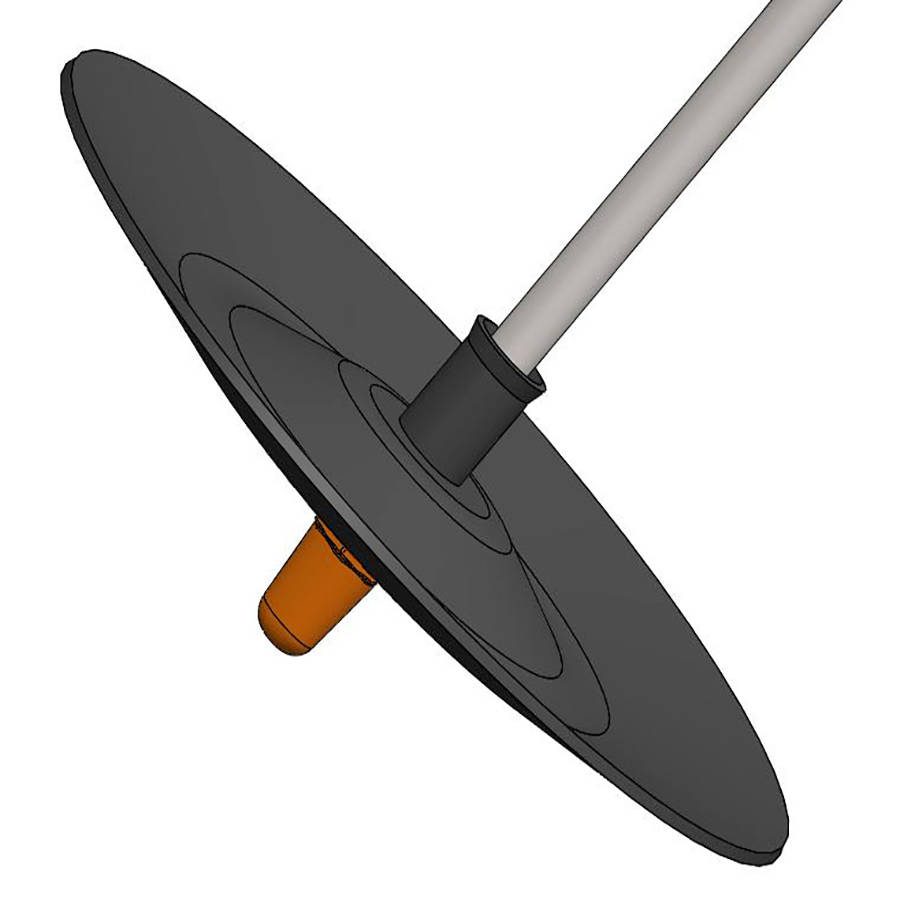
A Disk Anchor (also referred to as a plate anchor or large-diameter flange anchor) is a specialized mechanical or chemical fastening component designed to distribute extreme tensile loads over a wider surface area via an integrated or modular disk-shaped flange. Unlike standard wedge anchors, the disk geometry prevents material pull-through in lower-density substrates and provides critical stability in heavy machinery mounting, structural steel bracing, and marine infrastructure.
Strategic procurement of these components often faces hurdles such as inconsistent metallurgical purity and “paper-only” compliance. By aligning GB/T 3098.1 manufacturing processes with ASTM A325 or ISO 898-1 requirements, Tier-1 Chinese manufacturers provide a high price-to-performance ratio that offsets modern inflationary pressures in Western construction and mining sectors.
Engineering Standards and Material Integrity
Metallurgy and Chemical Composition
The performance of a Disk Anchor is dictated by its carbon equivalency and heat treatment consistency. Global exporters typically utilize Medium Carbon Steel or Alloy Steel (e.g., 40Cr or 35CrMo) to achieve Grade 8.8, 10.9, or 12.9 classifications.
Key Material Specifications:
- Tensile Strength: Range of 800 MPa to 1220 MPa depending on class.
- Yield Strength: $\ge 640 \text{ MPa}$ for Grade 8.8; $\ge 940 \text{ MPa}$ for Grade 10.9.
- Elongation: $\ge 12\%$ to ensure ductility under seismic loading.
Comparative Standards Matrix
| Feature | Chinese Standard (GB/T) | International (ISO) | US Standard (ASTM/ANSI) |
| General Req. | GB/T 3098.1 | ISO 898-1 | ASTM A193 / A325 |
| Threads | GB/T 196 | ISO 261 | ANSI B1.1 (UNC/UNF) |
| Galvanization | GB/T 13912 | ISO 1461 | ASTM A153 |
Manufacturing Precision and Tolerance Control
Modern cold-forging and CNC machining centers in industrial hubs like Ningbo and Shanghai allow for sub-millimeter precision. For Disk Anchors, the critical dimension is the perpendicularity between the bolt shank and the disk face.
Dimensional Accuracy
- Shank Diameter Tolerance: $\pm 0.05\text{mm}$
- Disk Flatness: $\le 0.1\text{mm}$ to prevent localized stress concentrations.
- Thread Precision: 6g or 6H fits, ensuring seamless integration with domestic or imported nuts and couplers.
Advanced Surface Treatments
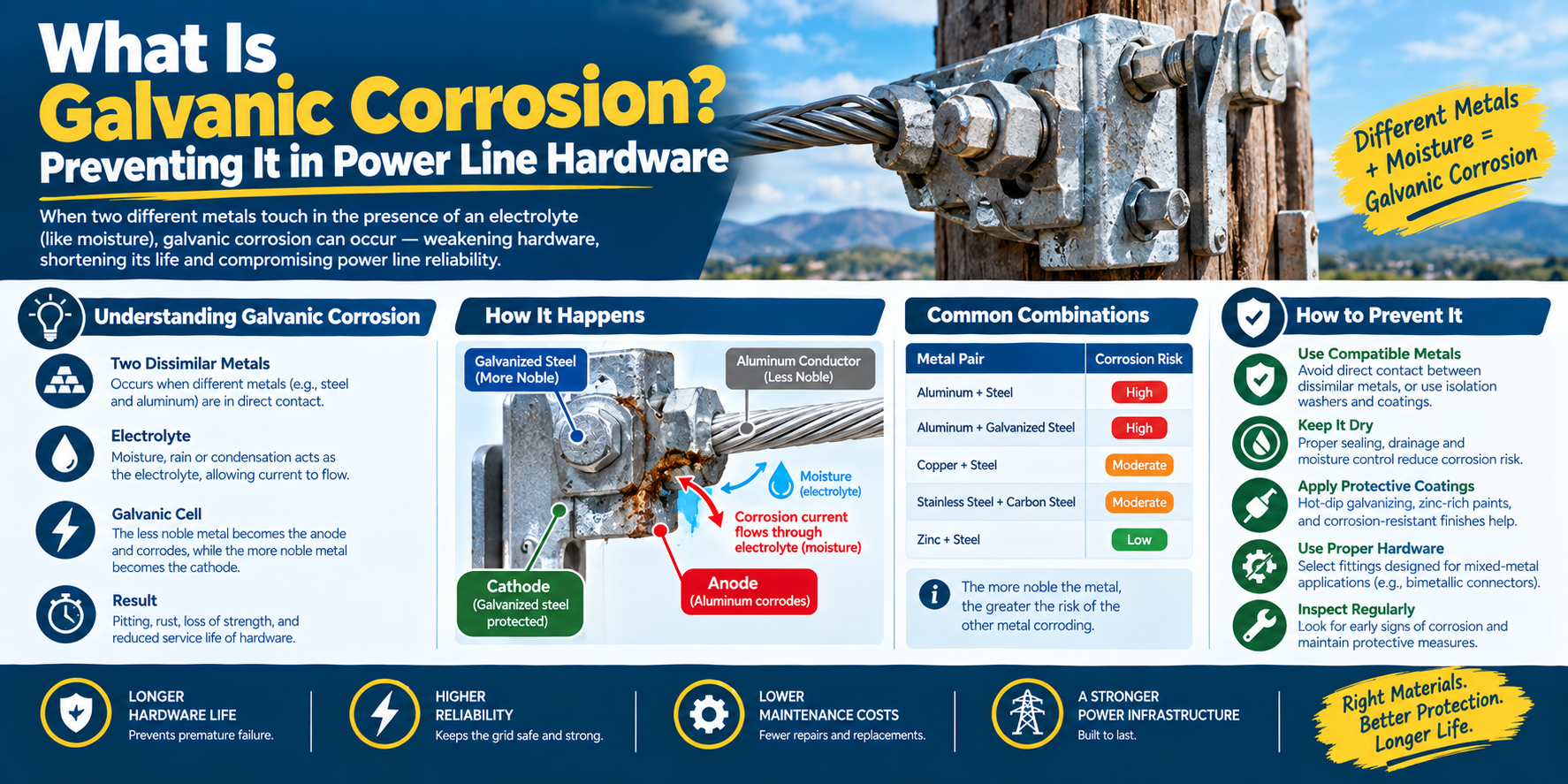
To combat hydrogen embrittlement and atmospheric corrosion, especially in coastal or industrial environments, several coating technologies are utilized:
- Hot-Dip Galvanizing (HDG): 65µm–85µm thickness for 50+ year lifespans.
- Zinc-Nickel Alloy Plating: Exceptional salt spray resistance (1000+ hours to red rust).
- Sherardizing: Ideal for complex geometries where thread clearance is vital.
Compliance Metrics and Quality Assurance
Reliability in B2B procurement is built on verifiable data. Leading exporters now provide digital “Birth Certificates” for every batch.
Laboratory Validation Procedures
- Spectroscopic Analysis: Verification of Cr, Mo, and Ni content to ensure the alloy matches the Material Test Report (MTR).
- Ultrasonic Testing (UT): Non-destructive detection of internal voids or cracks within the disk-to-shank transition zone.
- Hardness Mapping: Rockwell (HRC) or Vickers (HV) testing across multiple points of the disk to confirm uniform heat treatment.
Pro Tip: Requesting Documentation
Before finalizing a high-volume RFQ, always request a Level 3.1 MTR (EN 10204) and a 2D/3D CAD drawing (Step or DWG format). This ensures the component geometry fits your specific CAD assembly and confirms the manufacturer’s liability for material purity.
Strategic Logistics and Export Handling
Navigating the transition from a factory floor in China to a job site in Houston or Rotterdam requires sophisticated logistics management.
Packaging for Maritime Transit
Industrial Disk Anchors are heavy. Standard packaging includes:
- VCI (Volatile Corrosion Inhibitor) bags to prevent flash rusting during ocean transit.
- Reinforced steel-banded wooden crates (ISPM 15 compliant).
- Palletized loads optimized for standard 20ft GP containers.
Port Optimization
Utilizing ports such as Shanghai or Ningbo-Zhoushan provides the highest frequency of sailings. Strategically, choosing a supplier with “Authorized Economic Operator” (AEO) status can reduce customs inspection times by up to 30%, ensuring lead times remain within the 4–6 week window.
Addressing Procurement Pain Points
Customization and OEM Capability
While “off-the-shelf” anchors suffice for many, specialized infrastructure projects often require custom disk diameters or non-standard thread lengths. Modern factories can pivot to custom tooling for MOQs (Minimum Order Quantities) as low as 500–1000 units.
Lead Time Mitigation
To counter global shipping volatility, many top-tier manufacturers now offer “Safety Stock” programs, where a 3-month supply is held in a bonded warehouse near the port, ready for immediate dispatch upon release of a purchase order.
FAQs
What is the primary advantage of a Disk Anchor over a standard Washer-Bolt combination?
The Disk Anchor is typically manufactured as a single integrated unit or with a heavy-duty captive plate. This prevents the “cupping” or deformation often seen in standard washers under high torque, ensuring even load distribution and preventing substrate failure.
Can Disk Anchors be used in cracked concrete?
Yes, provided they are rated for such use. When paired with high-performance chemical resins (Epoxy Acrylates), Disk Anchors are excellent for cracked concrete applications where edge distances are limited.
How do I verify the Grade 10.9 rating from a Chinese supplier?
Look for the manufacturer’s mark and the grade embossed on the head. Additionally, cross-reference the batch number with a third-party inspection report from SGS, TUV, or Intertek, which provides independent verification of tensile and yield strengths.
What is the typical lead time for a custom order?
Standard production cycles are 20–30 days. For custom-tooled Disk Anchors, add 10–15 days for mold creation and initial sample approval (FAIs).
Is Hot-Dip Galvanizing (HDG) better than Zinc Plating for anchors?
For outdoor or industrial use, HDG is superior due to its thicker protective layer and metallurgical bond. Zinc plating is generally reserved for indoor, low-humidity environments.
Closing: Securing Your Industrial Supply Chain
As global infrastructure demands rise, the reliance on high-integrity Disk Anchors becomes a cornerstone of structural safety. By leveraging a manufacturer that understands both the metallurgical science and the logistical rigor required for international trade, procurement officers can achieve significant cost savings without sacrificing engineering excellence.
Learn more about: U-Bolt
Request a Technical Consultation or RFQ today to receive detailed CAD specifications and our latest Salt Spray Test results.