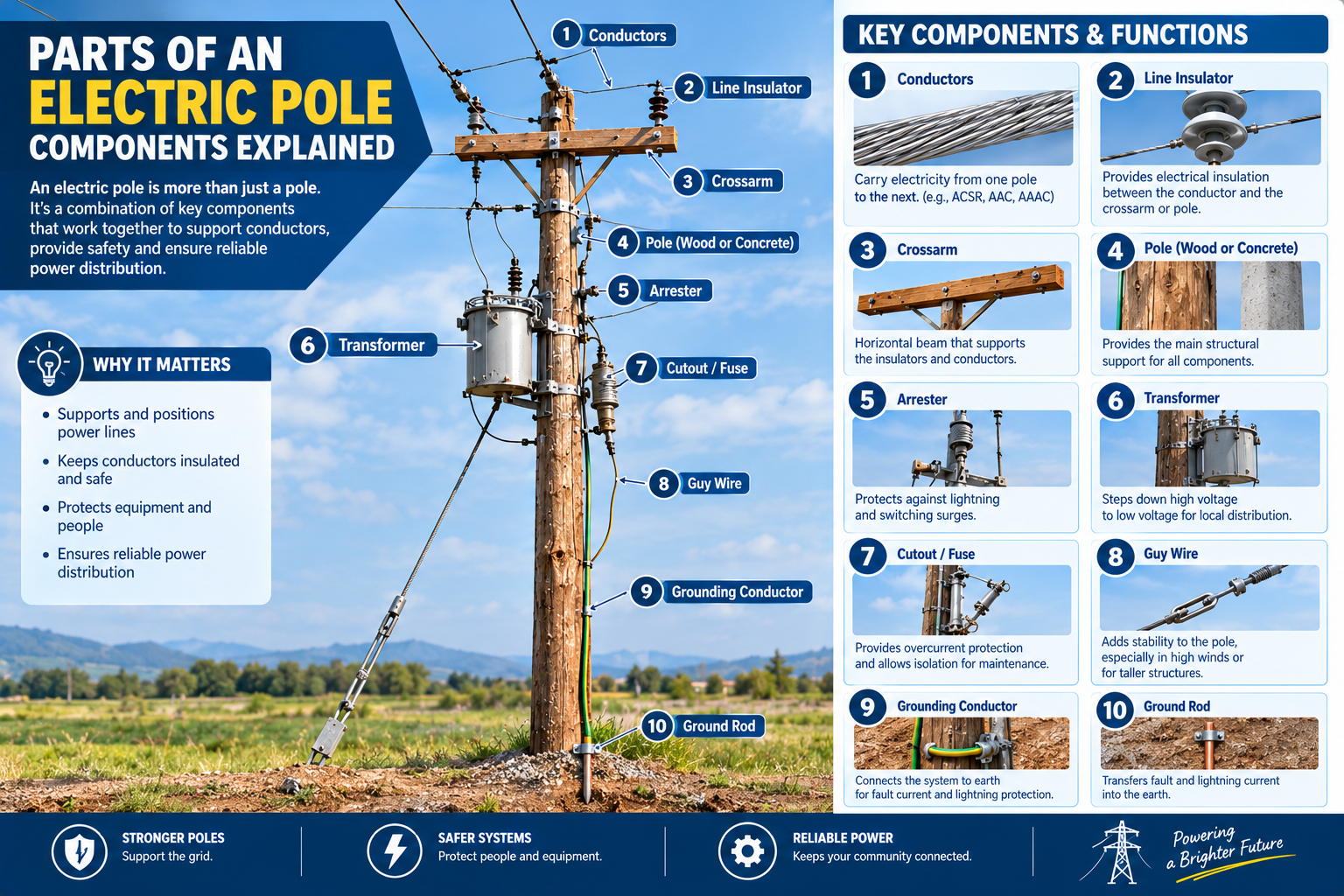
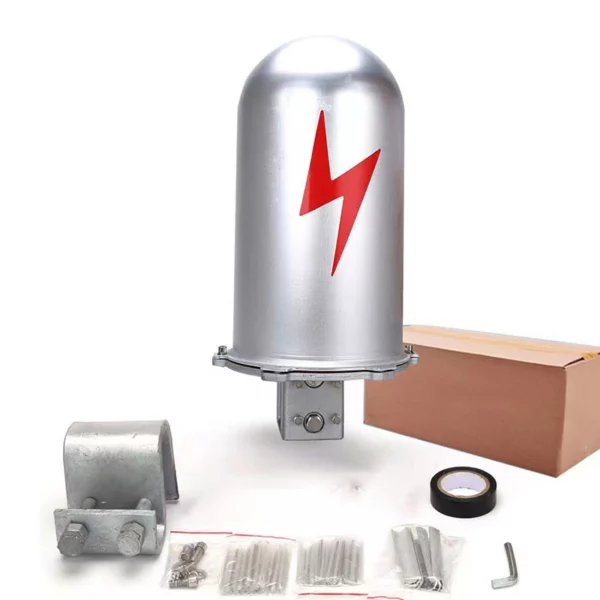
The ADSS/OPGW Metal Junction Box serves as the primary environmental shield for fiber optic fusion splices in high-voltage transmission environments. Inconsistent material quality in rural or coastal deployments often leads to signal degradation or physical fiber fracture; consequently, global procurement teams are shifting toward high-strength aluminum alloy and stainless steel enclosures. These units provide a hermetically sealed environment, mitigating the risks of electromagnetic interference (EMI) and moisture ingress in power line communication networks.
Technical Metallurgy: Material Integrity and Environmental Resistance
Selecting the correct alloy is paramount for longevity in the field. Industrial-grade junction boxes must withstand extreme thermal cycling and corrosive atmospheres without structural fatigue.
Aluminium Alloy vs. Stainless Steel Performance
| Feature | High-Strength Aluminum Alloy | Stainless Steel (SUS304/316) |
| Weight Efficiency | High (Critical for pole loading) | Moderate |
| Corrosion Resistance | Excellent (with Anodization) | Superior (Acid/Alkali resistant) |
| Yield Strength | $\ge 290$ MPa | $\ge 515$ MPa |
| Salt Spray Rating | 720+ Hours | 1000+ Hours |
| Thermal Conductivity | High | Moderate |
Advanced Coating and Surface Finish
Beyond the raw substrate, the surface treatment defines the lifespan of the hardware. We utilize electrostatic powder coating and hot-dip galvanizing processes that meet ASTM A153 standards. Surface roughness is strictly maintained at Ra 1.6 to 3.2 μm to prevent ice accumulation and minimize wind resistance on the tower structure.
Precision Engineering Behind Splice Tray Architecture
The internal configuration of the junction box determines the ease of maintenance for field technicians. Modern designs prioritize a modular tray system that supports a bending radius of no less than 30mm, ensuring zero signal loss during high-density fiber management.
- Capacity Scalability: Modular designs accommodating 12, 24, 48, or 96 cores.
- Sealing Technology: High-performance silicone gaskets providing IP66 or IP68 ingress protection.
- Mechanical Strength: Impact resistance rated at IK10, capable of withstanding falling debris or extreme weather.
Pro Tip: Procurement Technical Audit
Before finalizing a bulk order, request the Material Test Report (MTR) and CAD Drawings to verify dimensional compatibility with existing pole-line hardware. Reliable manufacturers provide ultrasonic testing (UT) data to ensure zero internal casting defects in the metal housing.
Compliance Metrics and Global Manufacturing Standards
Navigating the regulatory landscape is essential for international grid projects. Our manufacturing processes align Chinese national standards (GB/T) with Western industrial requirements to ensure seamless integration.
Cross-Reference of International Standards
- Mechanical Testing: Aligned with IEC 61300-2 for vibration, torsion, and cold-impact resilience.
- Environmental Sealing: Evaluated under EN 60529 protocols for pressurized water immersion.
- Metallurgical Standards: Aluminum alloys conform to ASTM B209, while steel components meet DIN EN 10025 specifications.
Strategically, these certifications are not merely “badges” but operational necessities that reduce the Total Cost of Ownership (TCO) by extending the replacement cycle from 5 years to 20+ years.
Quality Assurance: Rigorous Testing Protocols
To guarantee zero-defect delivery, each batch undergoes a multi-stage inspection regime before export from Shanghai or Shenzhen ports.
- Chemical Composition Analysis: Spectrophotometry to verify alloy constituents (Magnesium, Silicon, Manganese).
- Dimensional Inspection: Digital calipers and CMM (Coordinate Measuring Machine) verification with tolerances within ±0.05mm.
- Pressure Testing: Air pressure immersion tests at 100 kPa to confirm hermetic seal integrity.
- Hardware Endurance: Galvanized bolts and mounting brackets subjected to 1000+ hours of neutral salt spray (NSS).
Logistics and Export Handling for Global Markets
Supply chain bottlenecks often derail critical infrastructure timelines. Expert manufacturers solve this through optimized packaging and flexible MOQ (Minimum Order Quantity) structures.
- Protective Packaging: Custom-fit EPE foam inserts within reinforced 5-ply corrugated cartons or seaworthy wooden crates.
- Port Proximity: Strategic proximity to Ningbo and Shanghai ports allows for “Just-in-Time” delivery, reducing lead times to 15–21 days for standard configurations.
- Customization (OEM/ODM): Ability to modify cable entry ports (glands) to match specific ADSS or OPGW cable diameters (e.g., 10mm to 20mm).
FAQs
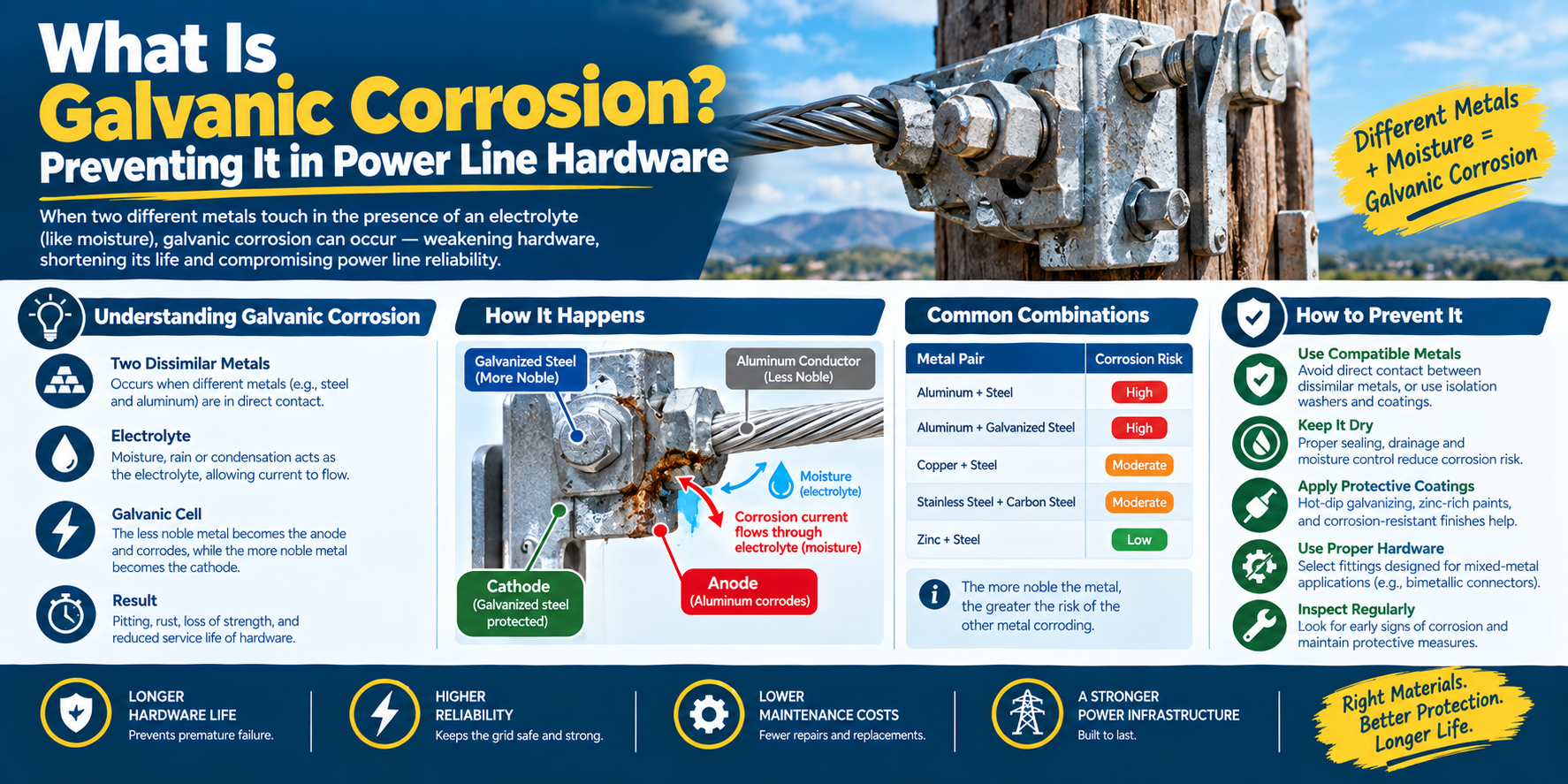
How does the metal junction box prevent galvanic corrosion with the OPGW cable?
We utilize specialized insulating bushings and compatible aluminum-clad mounting clamps that prevent direct contact between dissimilar metals, effectively neutralizing the risk of electrolytic reaction.
What is the typical lead time for custom-labeled (OEM) orders?
For orders under 1,000 units, the lead time is typically 14 days for production, with an additional 3–5 days for SGS or TUV third-party inspection if required.
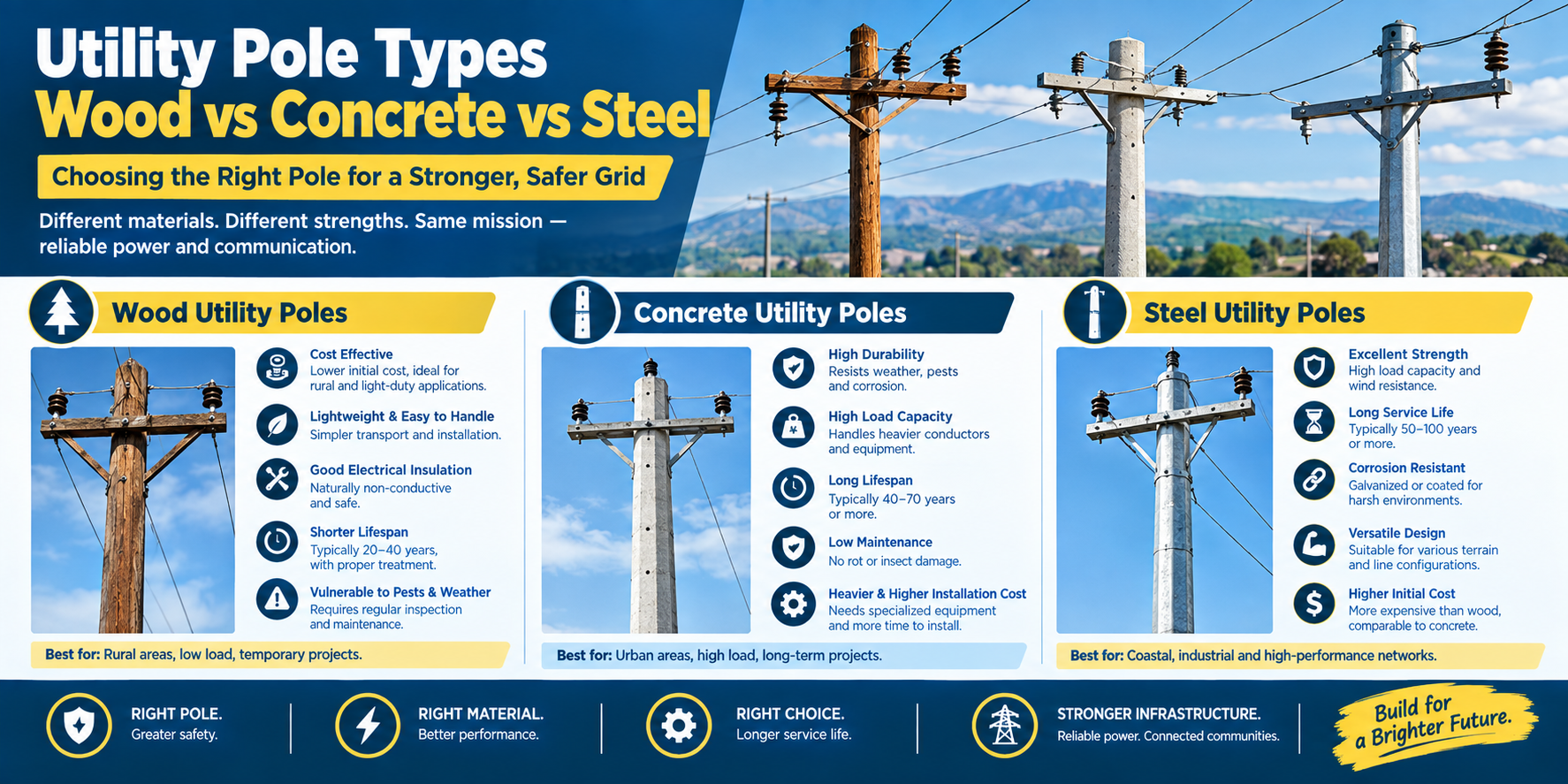
Can these boxes be mounted on both concrete and steel towers?
Yes. Our universal mounting kits include adjustable stainless steel straps for concrete poles and bolt-on brackets for lattice steel towers, ensuring high-strength attachment in all scenarios.
What is the expected operational lifespan in coastal environments?
When utilizing SUS316 stainless steel or anodized aluminum with high-micron powder coating, the service life exceeds 25 years, even in high-salinity “C5” corrosive environments.
Do you provide 3D models for grid simulation?
We provide complete STEP and DWG files for engineering teams to integrate into their transmission line simulations, ensuring wind load and weight calculations are precise.
Optimize Your Infrastructure Today
Reliable fiber connectivity starts with superior hardware. As a leading manufacturer of ADSS/OPGW metal junction boxes, we offer the technical expertise and supply chain stability required for modern utility grids.
Learn more about: Stay rod