

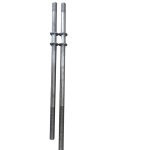
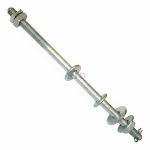
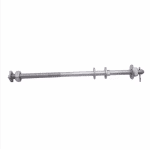
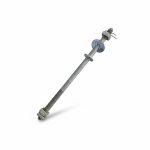
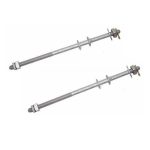
Description
What Does “Upset” Actually Mean on a Bolt?
It’s a fair question, because the term trips up buyers who otherwise know their hardware. “Upset” is a forging term: to upset metal is to hot-form it by compressing it, thickening or shaping a section most often to form a bolt’s head as an integral, full-strength part of the shank rather than cutting it or welding a head on.
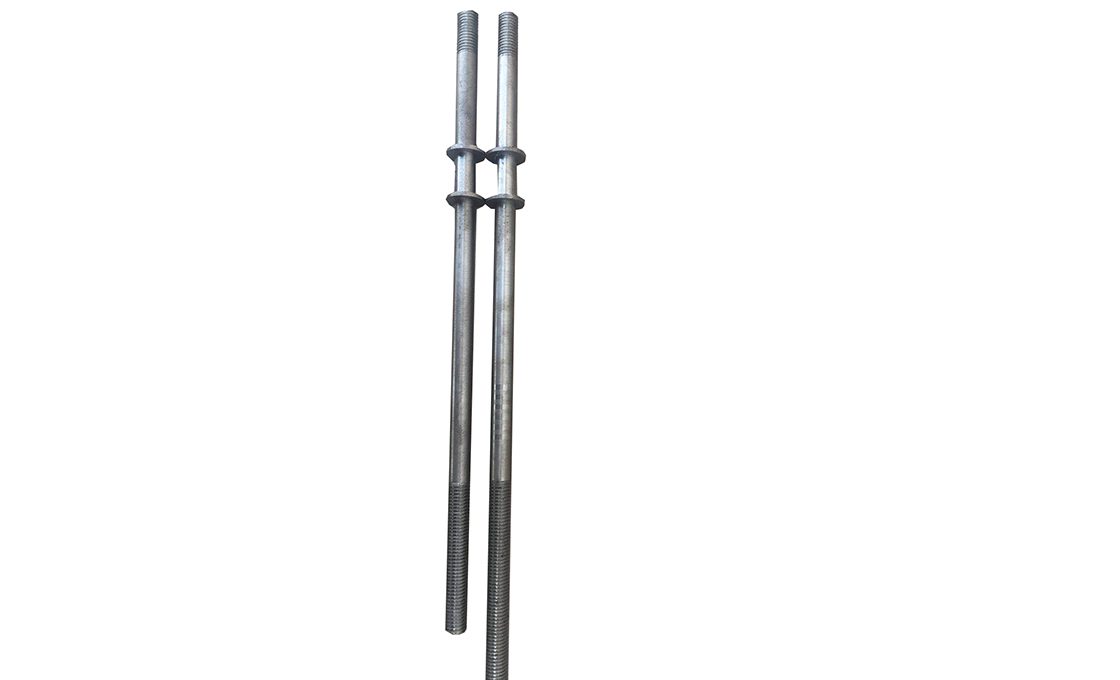
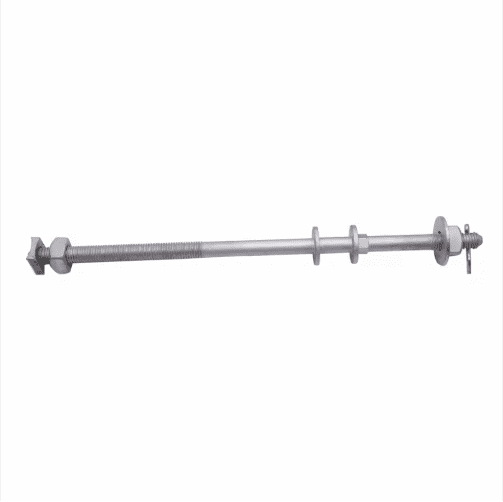
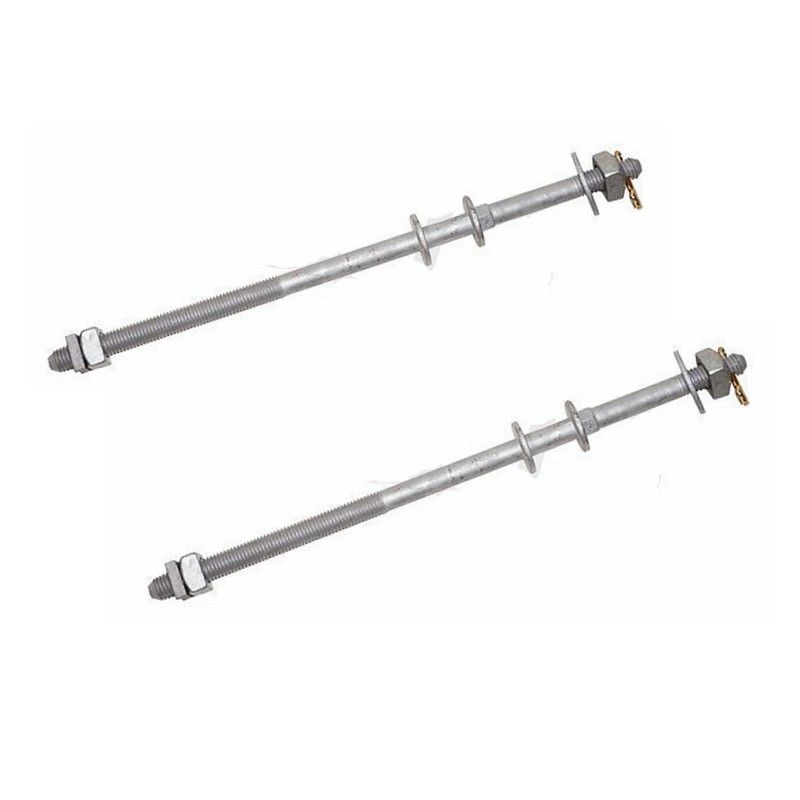
So an upset bolt is a bolt whose head is upset-forged formed from the parent metal in one piece. That single manufacturing fact is why it matters on a pole line: the head is as strong as the bolt, with no cut threads weakening the transition and no weld to fail. On a fitting that carries load at height for decades, “how the head is made” is not a detail it’s the difference between a bolt that holds and one that shears at the head.
Why Upset-Forging Matters
A bolt can get its head three ways, and they are not equal:
- Upset-forged the head is formed from the shank’s own metal under heat and pressure, keeping the grain flow continuous through the head-to-shank transition. Strongest, and the standard for load-bearing line hardware.
- Machined/cut the head is cut from oversized stock, severing the grain flow. Adequate for light duty, weaker at the transition.
- Welded a head welded to a shank introduces a joint exactly where the stress concentrates. Avoided on structural line bolts.
For pole-line work where a bolt through a crossarm carries the load of the hardware and conductor it supports upset-forged is the construction that earns the specification. It’s the same principle behind our forged eye bolts: the load path runs through formed, continuous metal, not through a cut or a weld.
Why Buyers Choose DAPENG Upset Bolts
- Upset-forged, full-strength heads: Formed in one piece so the head-to-shank transition carries load through continuous grain, not a cut or a weld.
- Hot-dip galvanized for the joint’s life: Galvanized to ISO 1461 / ASTM A153 class coatings, with the threads cleared and run so a nut turns freely on arrival because a galvanized bolt a crew can’t thread on site is a bolt that wastes a climb.
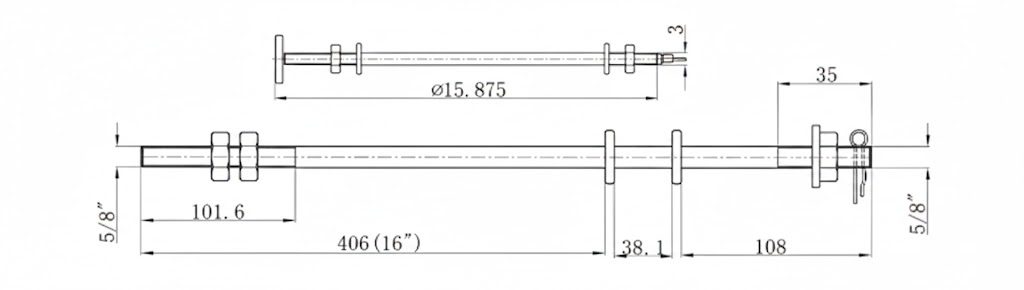
- Sized to your assembly: Length, diameter, thread length and head form to your drawing the difference between a bolt that lands the nut with the right projection and one that’s short or fouls the fitting.
- Supplied with their nuts and washers: Bolts kitted with the eye nuts, hex nuts and square washers they pair with, so the assembly arrives complete.
- Volume for the build: Pole-line bolts are consumed by the thousand; cartons counted and marked by size, production batched to your programmer.
Use-Case Deep Dive
Where is an upset bolt used on a pole line?
Through the structural connections of a pole or tower: crossarm-to-pole, brace connections, and the fittings that bolt to them. The upset-forged head takes the bearing and shear the connection imposes, and paired with a square washer on timber spreads and holds the clamping load without crushing the wood or shearing at the head. It sits in the same family of structural pole-line bolts as square head machine bolts and double arming bolts; which one a connection calls for is set by the fitting and your utility’s standard.
How do I specify an upset bolt?
Four figures: diameter and length for the connection it passes through, thread length for the nut projection your standard wants, and head form to match the fitting or drawing. Add the coating (hot-dip galvanized is standard for outdoor pole-line service) and the grade your specification requires. Send the connection detail material thickness it passes through, and the fitting it secures and we return the bolt sized to it, with the matching nut and washer. Sizes outside standard are made to drawing.
What’s the difference between an upset bolt and a machine bolt?
Both are structural pole-line bolts; the distinction is in the head. A square head machine bolt has a square head that seats against a square feature or washer to resist turning. An upset bolt’s defining feature is its upset-forged head form. If your assembly drawing calls one or the other by name, that’s your answer; if you’re unsure which the connection needs, send the detail and we’ll confirm we make the full range, so the recommendation is about fit, not about selling a particular bolt.
Specifications and What They Mean for You
| Specification | What we supply | What it means for the buyer |
|---|---|---|
| Construction | Upset-forged head | Full-strength head; load through continuous grain, no cut or weld |
| Material & coating | HDG to ISO 1461 / ASTM A153 class | Corrosion life for permanent outdoor pole-line service |
| Sizes | Diameter, length, thread to your drawing | Right projection and fit at the connection, first time |
| Threads | Galvanized, cleared, nut run before packing | Threads on site instead of returning to the workshop |
| Pairing | Kitted with matching nuts and washers | The assembly arrives complete |
| Verification | Batch testing, reports supplied | Structural performance on tested figures |
Straight Answers to Common Buyer Concerns
“How do I know the head is really forged and not just cut?” Ask for the manufacturing description on the quotation and verify it on a sample: an upset-forged head shows the continuous grain flow and formed profile of hot-working, distinct from the sheared face of a cut head. Material certificates confirm the grade, and batch test reports confirm the strength. On a structural bolt, the head’s construction is the whole point a supplier who can’t state how it’s made is one to question.
“Can you match bolts we’re specifying to a national or legacy standard?” Yes send the standard reference or a sample bolt. Manufacturing pole-line bolts to a utility’s specification (dimensions, head form, thread, marking, grade) is the core of our export work, with confirmation drawings before production. A connection designed to a standard deserves the bolt that standard specifies, not the nearest stock item.
“We need large volumes is that handled?” Pole-line bolts are a volume item, quoted as one. Give us the schedule and quantities; price and packing reflect the volume, cartons are marked by size for stores issue, and nuts and washers are kitted with the bolts if you want the assembly complete off the pallet.
Complete the Assembly
- Square head machine bolts and double arming bolts – the other structural pole-line bolts
- Forged eye bolts and thimble eye bolts – forged-head bolts presenting an eye
- Eye nuts, hex bolts and nuts, square washers – the nuts and washers that complete the joint
- U bolts, clevis bolts, pigtail bolts – the wider bolt range
- Steel cross arms and pole line hardware – the structures these bolts assemble
- Browse all overhead line fittings
Get a Bolt-Matched Quote Within 24 Hours
Send your connection detail the material thickness the bolt passes through, the fitting it secures, and your diameter, length, and grade requirements or the standard you build to. Our team returns upset bolts sized and forged to your assembly, in the coating your project needs, kitted with nuts and washers if you want them, typically within one working day.
After You Order
Size and head-form confirmation before production, material certificates with shipment, threads run and cleared, cartons marked by size and kitted with nuts and washers where requested, and an engineering contact who answers quickly because bolts are a volume consumable, and a supply question on the fasteners shouldn’t hold up the structure they hold together.