Description
The Hook That Takes a Drop Wire Without a Clamp
Not every wire attachment needs a full clamp assembly. A telephone drop, a span wire, a light service line sometimes what a pole needs is simply a strong, fixed hook to loop the wire into, quickly, at a known point.
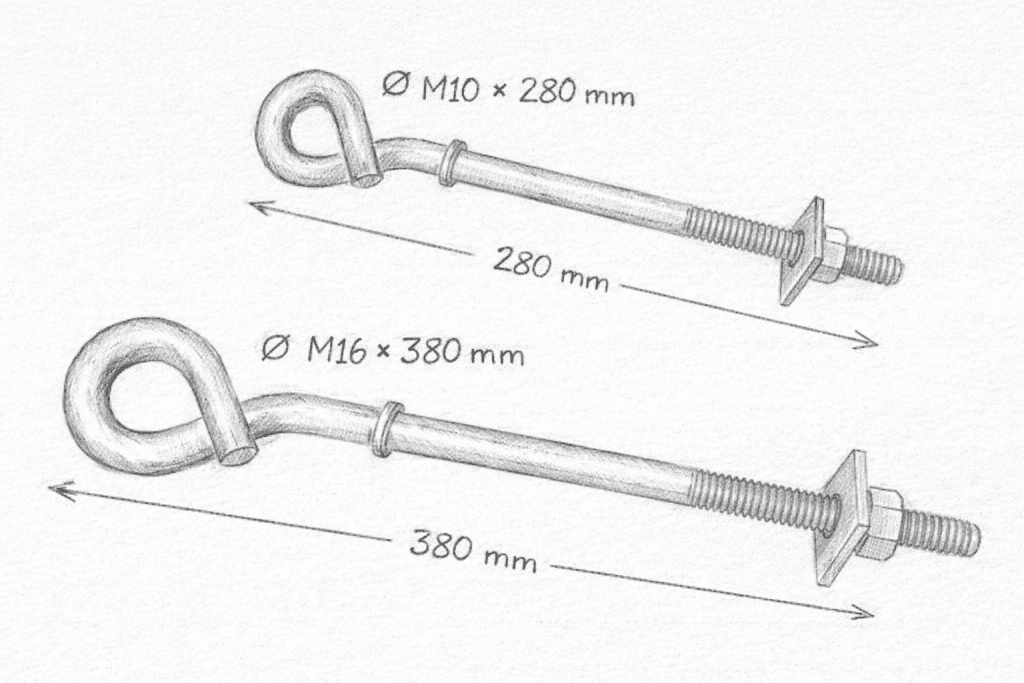
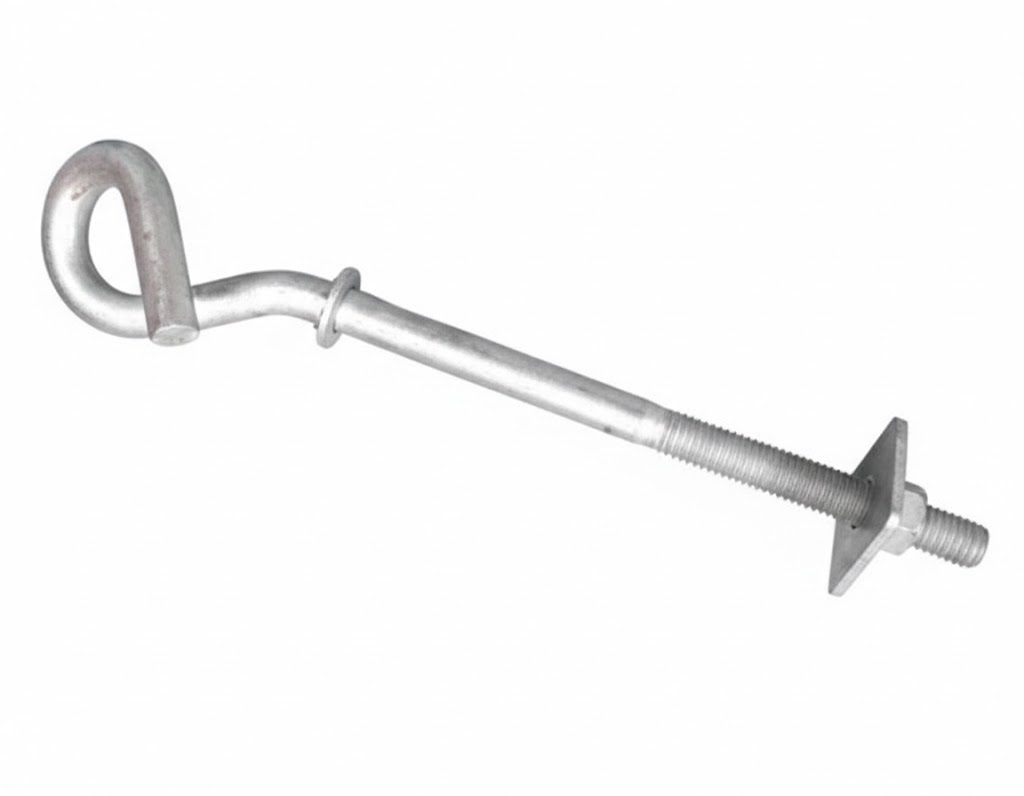
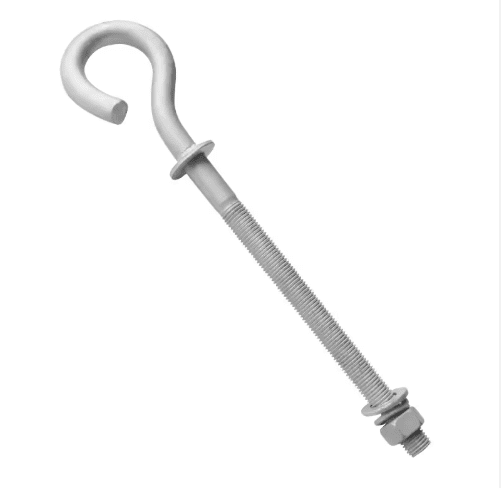
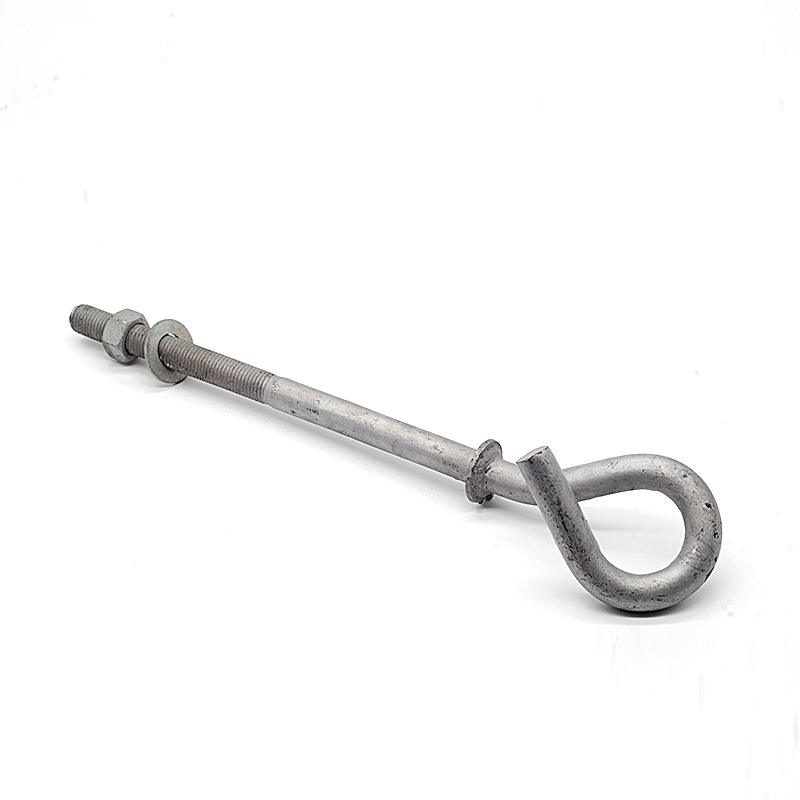
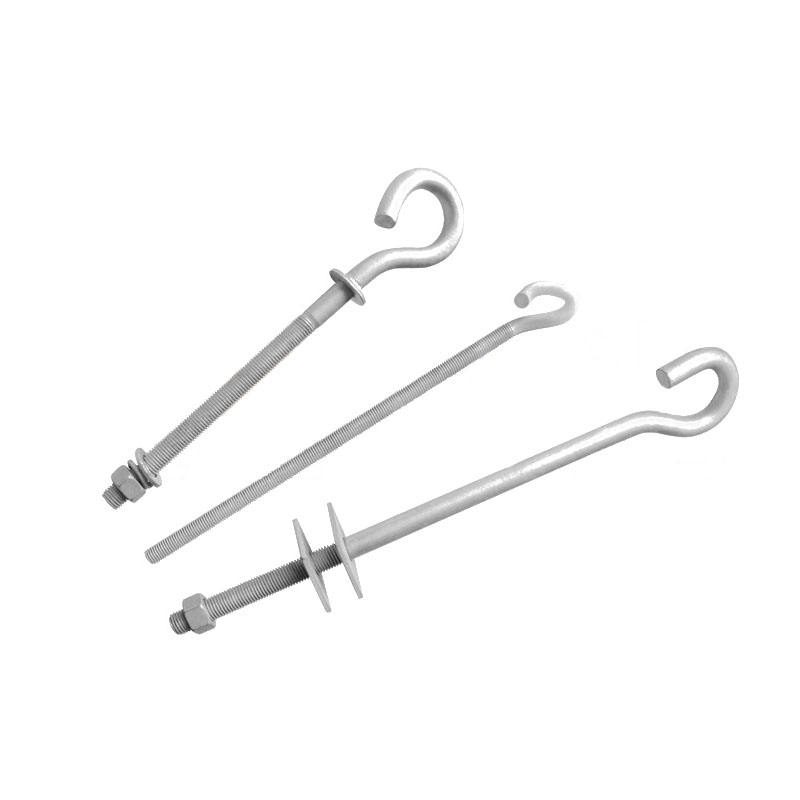
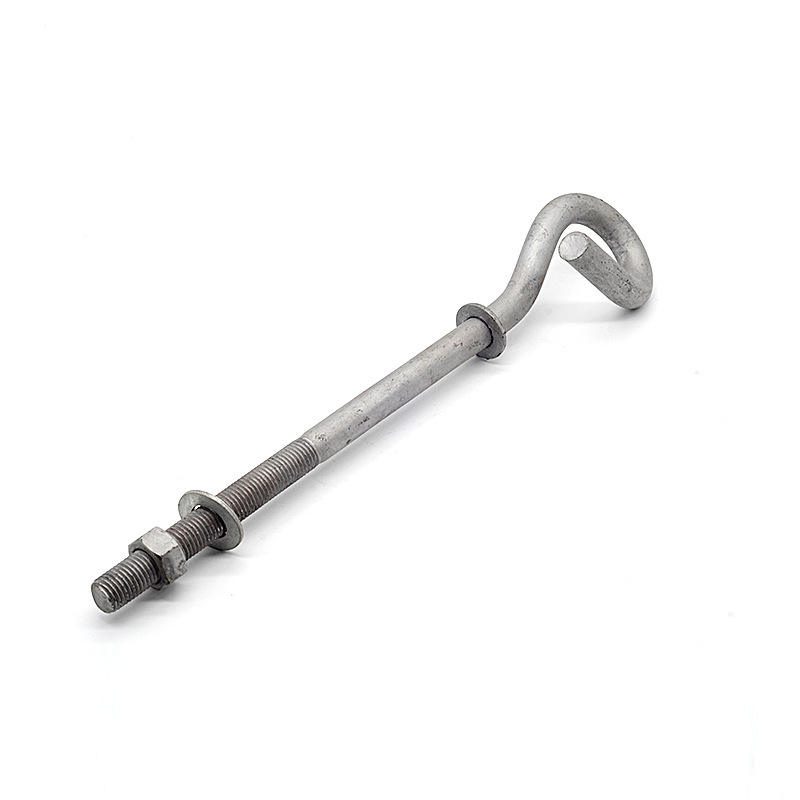
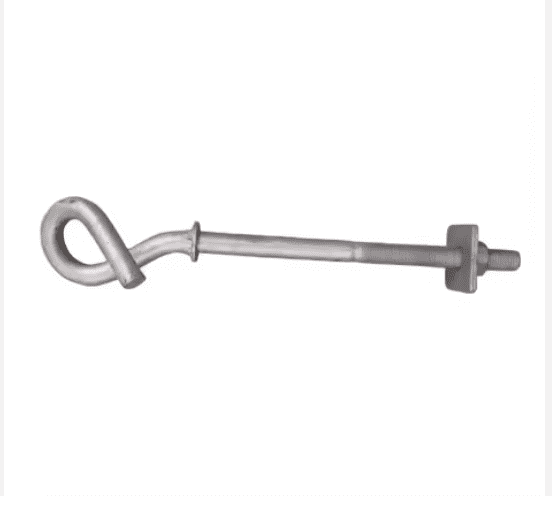
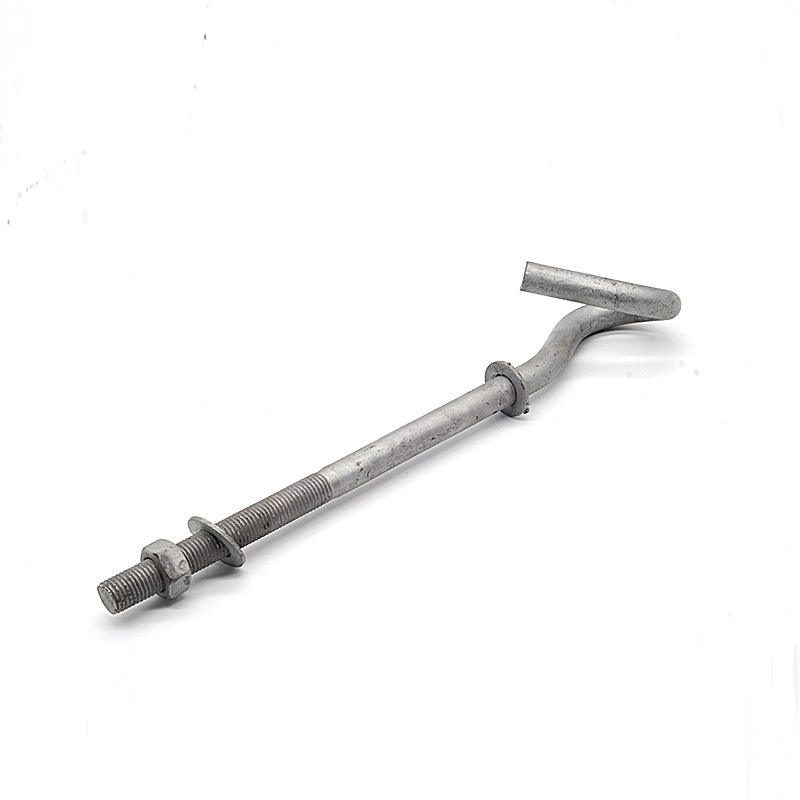
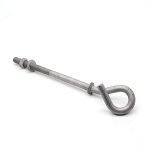
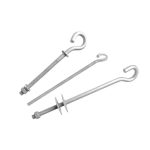
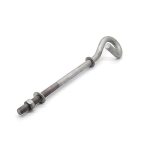
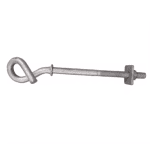
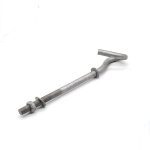
The pigtail bolt is that hook, built into a bolt. Its defining feature is the curled “pigtail” end an open, spiralled hook formed at one end of the bolt while the other end is a threaded shank that fixes it to a pole, crossarm, or wall. The wire hooks into the pigtail; the shank holds the bolt to the structure. One fitting, one hole (or drive), one fast attachment.
It’s the quiet workhorse of drop-wire and span-wire construction: where a clamp would be overkill, the pigtail bolt is the fastener that gets a wire attached and moving. This page covers what it’s for, where it fits, and how to specify it.
(This page describes the threaded-shank pigtail bolt with a curled hook end)
Why Buyers Choose DAPENG Pigtail Bolts
- A pigtail hook formed true: The curl is formed to take the wire cleanly and hold it an open hook that accepts the drop or span wire and retains it under normal service tension.
- Hot-dip galvanized for outdoor life: Galvanized to ISO 1461 / ASTM A153 class coatings, at a fitting that lives on a pole or wall face carrying a wire for years.
- Shank to the structure: Threaded shank (or drive form) sized to the pole, crossarm, or wall fixing it anchors into, with the nut run and cleared before packing where threaded.
- Supplied complete: Kitted with the nuts and washers the fixing needs, so the attachment point is ready to install.
- Volume for the rollout: Drop-wire construction consumes attachment hardware by the thousand; cartons counted and marked, batched to your programmer.
Use-Case Deep Dive
What is a pigtail bolt used for?
Attaching a drop wire or span wire to a pole, crossarm, or building without a separate clamp. The pigtail hook is the attachment point: a service drop loops into it at the pole or the building end; a span wire hooks in where a messenger is anchored. It’s the fast, simple choice where the load is light and a full clamp assembly isn’t warranted telecom drops, light distribution service lines, and span-wire supports. Where the drop needs to be tensioned and held rather than simply hooked, a drop wire clamp on a thimble eye bolt anchor is the heavier-duty pairing; the pigtail bolt is the quick-hook alternative for lighter attachments.
How do I specify a pigtail bolt?
Three things. The pigtail hook should suit the wire it takes sized to accept the drop or span wire cleanly. The shank (threaded or drive) and its length to the structure it fixes into pole diameter, crossarm thickness, or wall depth with proper nut projection where threaded. The coating (hot-dip galvanized for outdoor service). Send the wire it will carry and the structure it fixes to, and we return the bolt sized to both.
Pigtail bolt, thimble eye bolt, or forged eye bolt which do I need?
By how the wire attaches and how much it’s loaded:
- Pigtail bolt (this page) – an open hook for a quick, light drop/span-wire attachment, no clamp needed.
- Thimble eye bolt – a grooved eye that protects a wire loop under real tension (guy and drop-wire anchoring where a clamp seats in the eye).
- Forged eye bolt – a plain closed eye for connecting hardware, links, or fittings.
If the wire simply hooks in, the pigtail; if a loop bears under tension, the thimble eye; if hardware pins to it, the plain eye. Tell us the attachment and we confirm we make the range, so the answer is about the job.
Specifications and What They Mean for You
| Specification | What we supply | What it means for the buyer |
|---|---|---|
| Hook | Curled pigtail end | Quick wire attachment, no separate clamp |
| Shank | Threaded or drive, to the structure | Fixes securely to pole, crossarm, or wall |
| Material & coating | HDG to ISO 1461 / ASTM A153 class | Outdoor life on a pole or wall face |
| Wire suitability | Sized to the drop/span wire | Takes and holds the wire cleanly |
| Threads | Cleared, nut run before packing (threaded form) | Installs on site without rework |
| Pairing | Kitted with nuts and washers | Attachment point ready to install |
Straight Answers to Common Buyer Concerns
“It’s a simple hook bolt. Why does the supplier matter?” Two places it earns its specification: the galvanizing (a hook bolt that rusts on a wall face stains the building and eventually lets go) and the hook formed true (a pigtail that opens under load drops the wire it was holding). Both are checkable coating with a gauge, the hook by inspection and a load check and both are why proper line-hardware pigtail bolts beat a generic hook from the merchant, especially at volume on a rollout where one failure is a truck roll.
“Can you match a legacy pigtail bolt or a utility standard?” Send a sample or the standard reference the hook form, shank, and thread to your detail is routine OEM work, with confirmation before production. Matching what a network already uses keeps a mixed-vintage build consistent.
“We need rollout volumes handled?” Yes, pigtail bolts are a volume attachment item, quoted and packed as one, cartons marked for stores issue, kitted with nuts and washers if you want them, batched to your activation calendar.
Complete the Attachment
- Drop wire clamps – for drops that need tensioning and holding, not just hooking
- Thimble eye bolts and forged eye bolts – eye-attachment alternatives
- Span clamps – mid-span attachment on the messenger
- Hex bolts and nuts, square washers – the nuts and washers that complete the fixing
- Pole line hardware and all overhead line fittings
Get a Wire-Matched Quote Within 24 Hours
Send the wire the pigtail will carry, the structure it fixes to (pole, crossarm, or wall), and your quantities. Our team returns pigtail bolts sized to the wire and the structure, in the coating your project needs, kitted with nuts and washers, typically within one working day.
After You Order
Size and form confirmation before production, material certificates with shipment, threads run and cleared, cartons marked and kitted with nuts and washers where requested, and an engineering contact who answers quickly because drop attachments are made by the hundred, and a supply question on the small parts shouldn’t slow the rollout.