Description
The Guy Anchor for Ground You Can’t Drive Into
Most guy anchors get their hold from soil driven, screwed, or set into ground that gives way enough to grip them. But some ground doesn’t give at all. Rock and very hard or stony ground can’t be driven or screwed into a manta ray or screw anchor; simply won’t penetrate. And yet a pole on rocky ground still needs its guys anchored, often more than usual, because rocky terrain tends to mean exposed, hilly, wind-loaded lines.
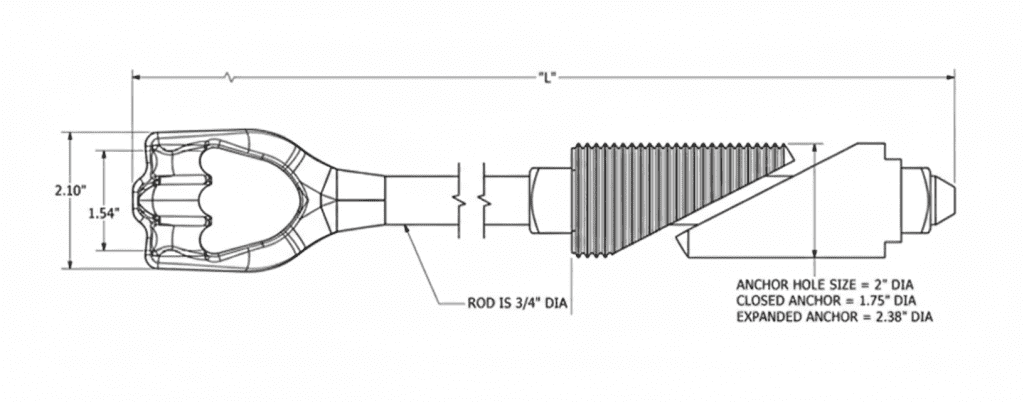
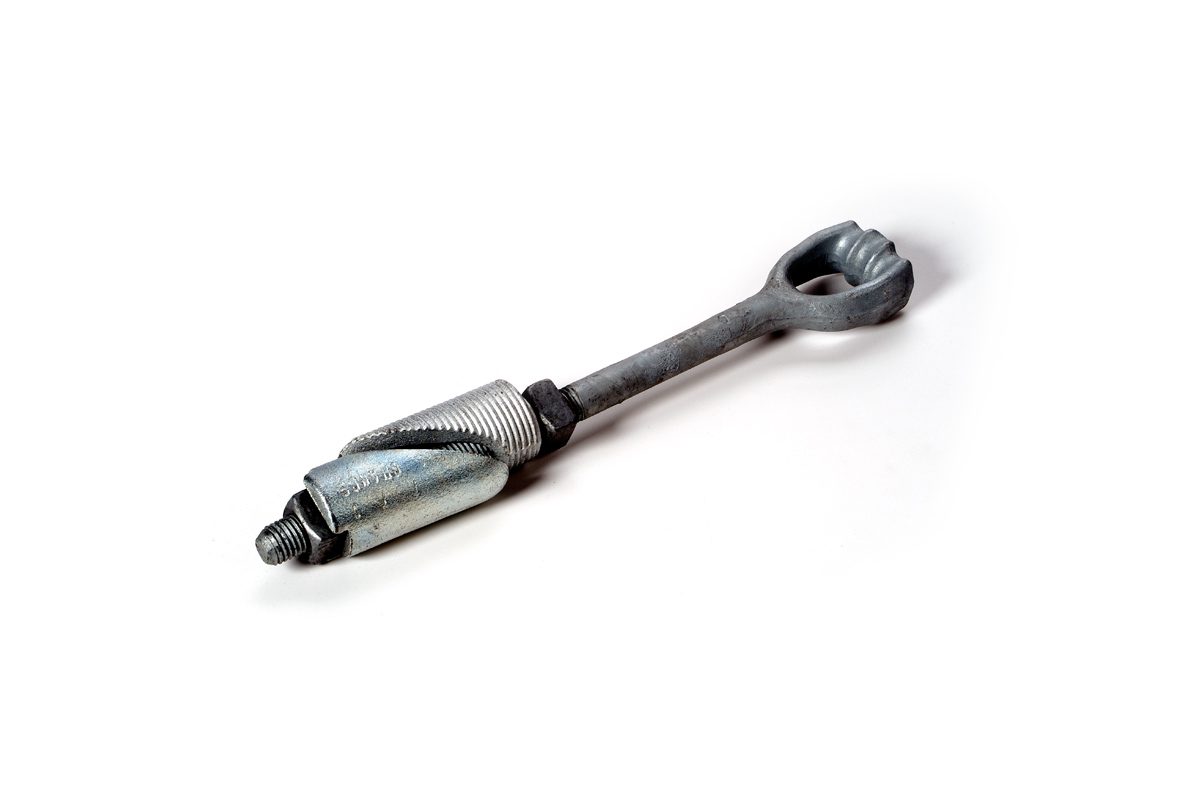
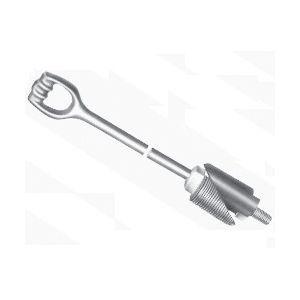
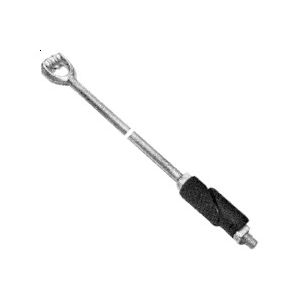
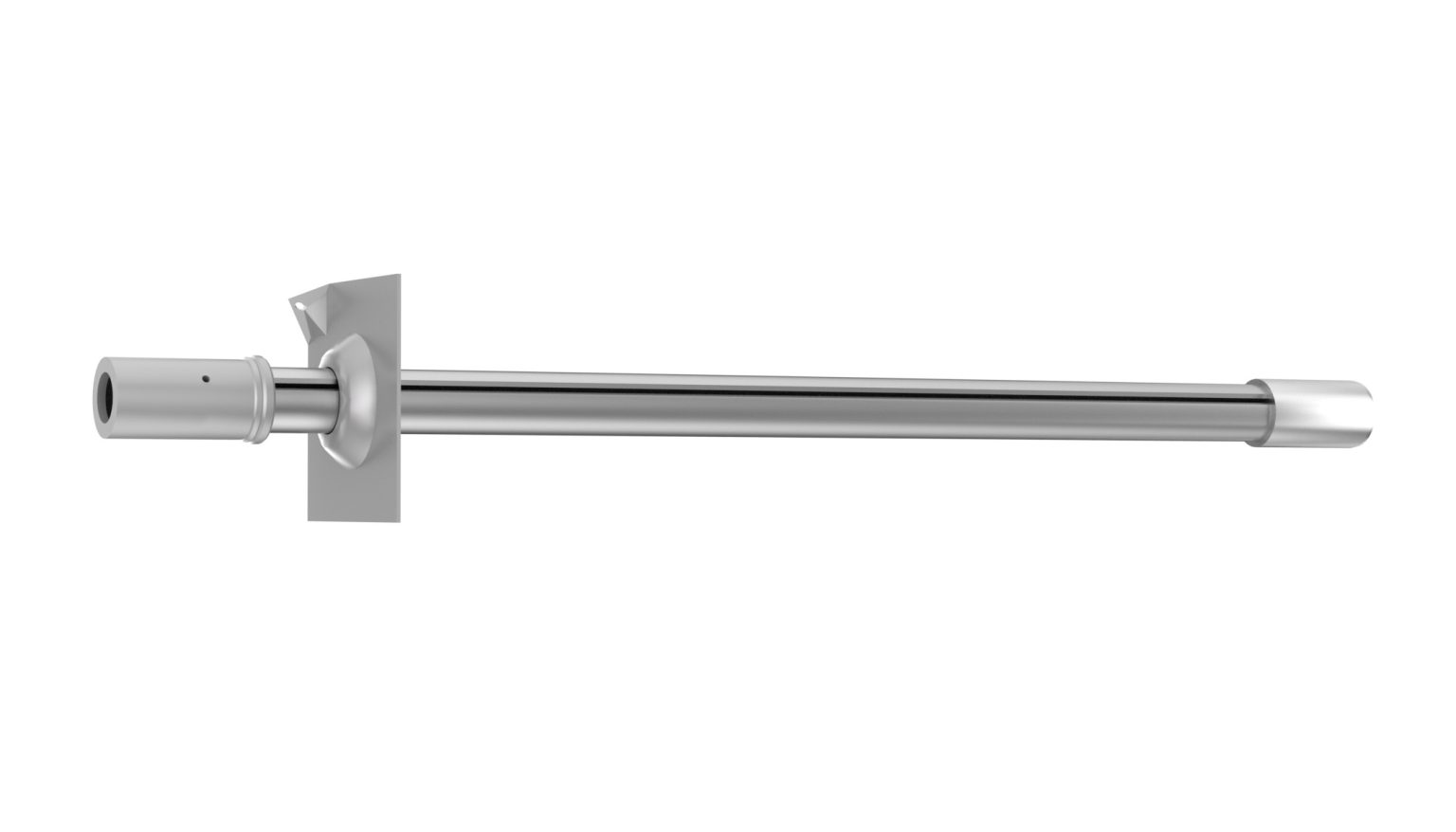
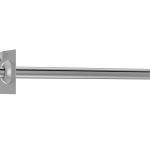
The expanding rock anchors solve it. Instead of forcing an anchor into ground that won’t take it, you drill a hole in the rock and set the anchor into it, then expand the anchor so it grips the hole walls, developing holding capacity from the solid rock itself. Where the ground is too hard for every other anchor, the rock anchor turns that hardness into an advantage: solid rock is the strongest thing to anchor to.
This page covers expanding rock anchors: when they’re the answer, how they set and expand, and how they connect to the guy.
When Is a Rock Anchor the Right Choice?
The ground decides the anchor, and the rock anchor’s territory is clear:
- Rock, or ground too hard to drive/screw → the expanding rock anchor is the answer it’s the one anchor that needs hard ground rather than being defeated by it.
- Most soils → a driven manta ray anchor (toggles and locks, no excavation).
- Softer soils → a disk anchor (bearing capacity) or a screw anchor.
Choosing the anchor to the ground is the commonest guy-anchor decision and the commonest guy-anchor failure is the wrong anchor for the ground (a soil anchor in rock holds nothing; a rock anchor is wasted effort in soft soil). If you have rock or hard ground, the expanding rock anchor is made for exactly that; if the ground is soil, we’ll point you to the driven or screw type. Send the ground description and the guy load and we’ll match the anchor.
How an Expanding Rock Anchor Sets
The install is drill, set, expand and it develops its hold from the rock:
- Drill a hole in the rock to the specified diameter and depth.
- Set the anchor into the hole.
- Expand it a wedge or expanding element forces the anchor body out against the hole walls, gripping the rock and locking the anchor in.
Once expanded, the anchor holds against the guy’s pull through its grip on the solid rock and rock, being solid, gives a strong, stable anchorage that doesn’t shift as soil can. The anchor presents an eye or rod at the surface for the guy hardware.
Why Buyers Choose DAPENG Expanding Rock Anchors
- Made to grip rock: The expanding mechanism developed to lock into a drilled hole and hold against the guy’s pull from the solid rock.
- Rated to your guy load: Holding capacity matched above your guy’s working tension with your margin, so the anchor holds the stay.
- Hot-dip galvanized for buried service: Galvanized to a class suited to the at- and below-grade rock environment.
- Matched to the guy hardware: The surface eye/rod to connect the anchor rod, eye nut, and guy grip above.
- The whole stay from one source: Rock anchors with the guy wire, grips, clamps, and rods matched and kitted.
Use-Case Deep Dive
Why can’t I just use a manta ray or screw anchor in rock?
Because they need to penetrate the ground, and rock won’t let them. A manta ray anchor is driven in and toggled; a screw anchor is turned in both rely on the ground giving way enough to accept them, then gripping. Rock and very hard ground don’t give way, so neither can be set. The expanding rock anchor takes the opposite approach: it’s placed into a drilled hole and expands to grip using the rock’s hardness as the anchorage instead of fighting it. Rock is the strongest ground to anchor to; the rock anchor is how you use it.
How do I know the anchor will hold my guy?
Match the holding capacity above your guy’s working tension with your standard’s margin the anchor is rated for this and, in competent rock, develops a strong, stable hold. Rock anchorage is often more predictable than soil once the rock is sound. Send the guy tension and the rock condition and we’ll confirm the anchor and its capacity on datasheet figures. Proof-testing the set anchor is good practice where the standard requires it.
How does the anchor connect to the guy?
Through the surface eye or rod it presents once set. The anchor rod (extended with a cable extension bolt if needed), the eye nut, and the guy grip or clamp connect the stay to the anchor, the same as any guy anchor. We supply the anchor with that hardware matched, so the stay is complete from rock to pole.
Specifications and What They Mean for You
| Specification | What we supply | What it means for the buyer |
|---|---|---|
| Ground | Rock and hard ground | Anchors where driven/screw types can’t |
| Mechanism | Drill, set, expand to grip | Holds from the solid rock |
| Holding capacity | Above your guy tension | Holds the stay; never the weak point |
| Coating | HDG to class | Survives at- and below-grade in rock |
| Interface | Eye/rod to guy hardware | Connects to the stay assembly |
| Verification | Datasheet / proof test | Capacity on tested figures |
Straight Answers to Common Buyer Concerns
“Our ground is solid rock can we even anchor a guy there?” Yes, and rock is actually excellent ground to anchor to once you use the right anchor. The expanding rock anchor is made for exactly this: you drill a hole, set the anchor, and expand it to grip the rock turning the hardness that defeats other anchors into a strong, stable anchorage. Send the rock condition and the guy load and we’ll confirm the anchor and its holding capacity.
“How is it different from a soil anchor?” A soil anchor (manta ray, disk, screw) develops its hold from soil that gives way and then grips; a rock anchor develops its hold by expanding against a drilled hole in solid rock. Different ground, different mechanism and using the wrong one is the classic guy-anchor mistake. Tell us the ground and we’ll supply the right anchor; for rock, this is it.
“Can you supply the whole stay assembly?” Yes the rock anchor with the anchor rod, eye nut, guy grip or clamp, and guy wire, matched and kitted, so the stay is complete from the rock to the pole.
Complete the Stay
- Manta ray anchors, disk anchors, screw anchors the anchors for soil (when the ground isn’t rock)
- Anchor rods, cable extension bolts, eye nuts the rod and connection to the guy
- Guy grips, guy clamps, guy wire, guy hooks the guy hardware above
- Ground anchors the full anchor and earthing category
- Browse all pole line hardware and overhead line fittings
Get a Ground-Matched Quote Within 24 Hours
Send the ground condition (rock type/hardness), the guy load, the anchor-to-guy interface you use, and quantities. Our engineers confirm the rock anchor and its holding capacity, and return a factory-direct quotation with the stay hardware alongside, typically within one working day.
After You Order
Mechanism and capacity confirmation before production, documentation with shipment, anchors kitted with their stay hardware, and an engineering contact who answers precisely because the anchor holds the guy that holds the pole, and in rock the right anchor turns hard ground into the strongest hold on the line.