
Description
The Strap That Keeps the Crossarm Square
A crossarm bolted to a pole through a single point could rotate around that bolt, or sag under the weight and pull of the conductors it carries. Something has to hold it square and level, and at right angles to the pole, and stop it twisting. That something is the flat crossarm brace: a flat steel strap that runs diagonally from a point on the pole up to the crossarm, triangulating the connection so the arm can’t rotate or droop.
It’s a simple part doing a structural job: turning a single-bolt arm mounting into a rigid, braced assembly. Without it, the arm’s position and therefore the conductor spacing and clearances would shift under load. This page covers flat crossarm braces: how the bracing works, fixed versus slotted patterns, and how they complete the crossarm assembly.
How the Brace Works: Triangulation
A flat crossarm brace does its job through triangulation the most basic and reliable structural principle there is:
- The crossarm runs horizontally, bolted to the pole.
- The brace runs diagonally from a lower point on the pole up to the arm (usually to a point out along the arm from the pole).
- Together, the pole, the arm, and the brace form a triangle and a triangle is rigid. The brace stops the arm rotating around its mounting bolt and stops it sagging under the conductor load.
Two braces (one each side) give the arm rigidity in both directions, holding it square and level. The brace carries the bracing load in tension and compression as the arm is pushed and pulled, so it and its end fixings must be sized to the arm and the load it carries.
Fixed or Slotted Holes? The Adjustment Question
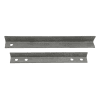
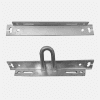
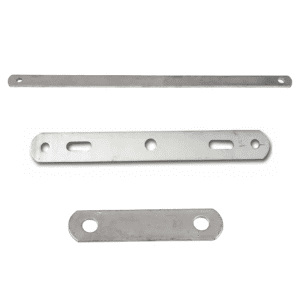
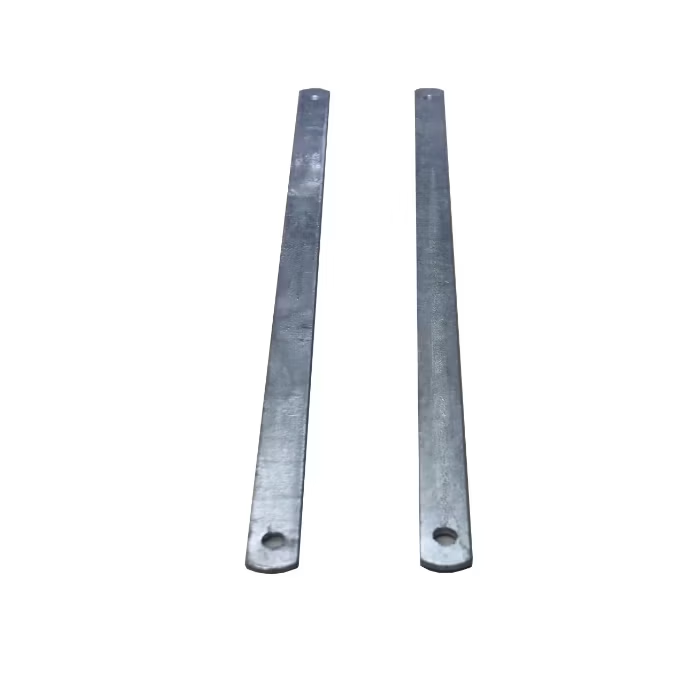
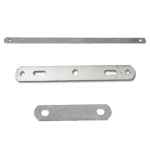
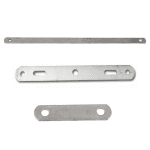
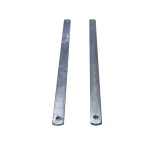
The image shows two patterns, and the difference is practical:
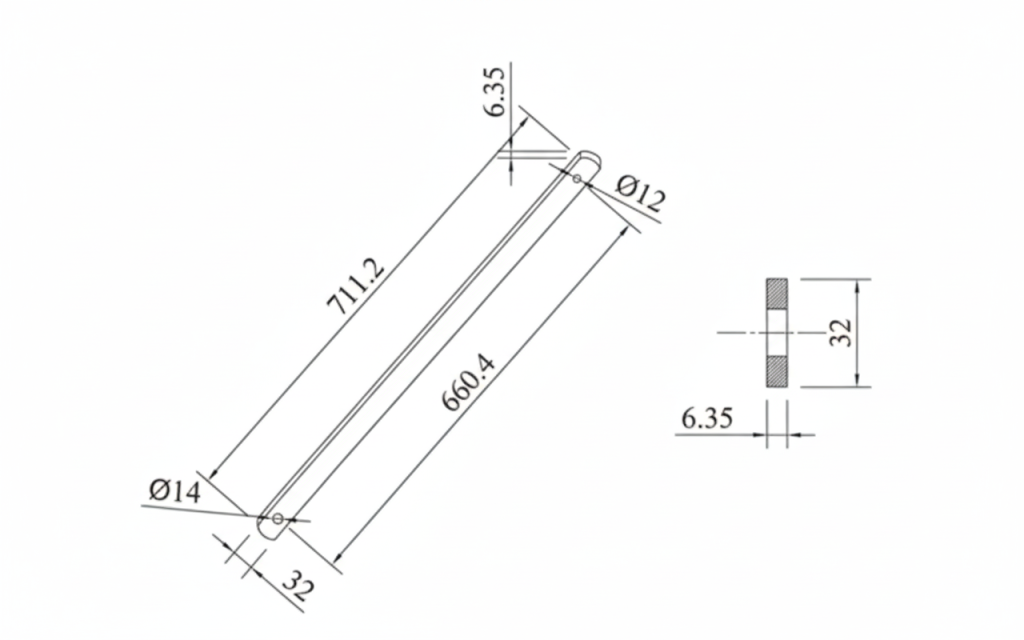
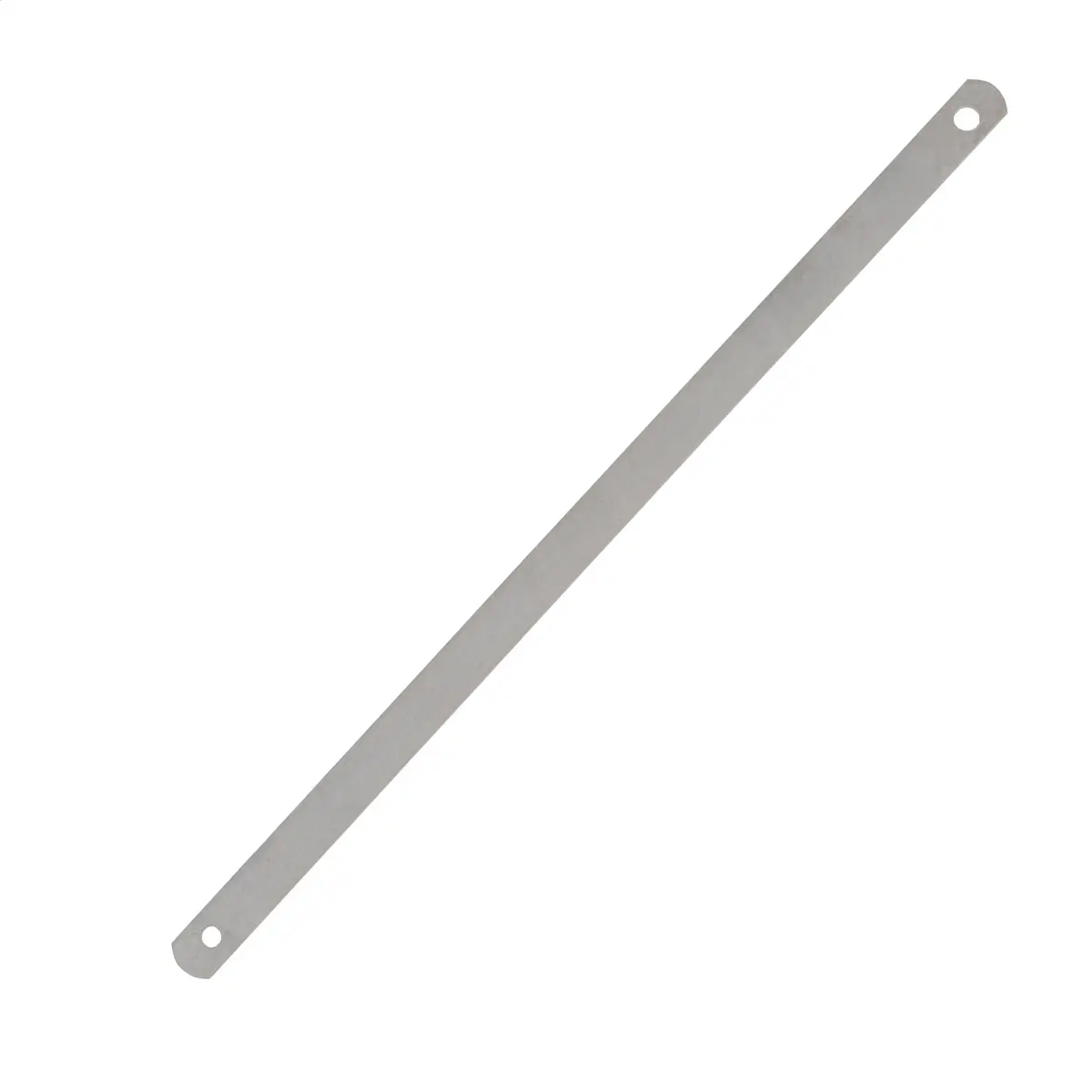
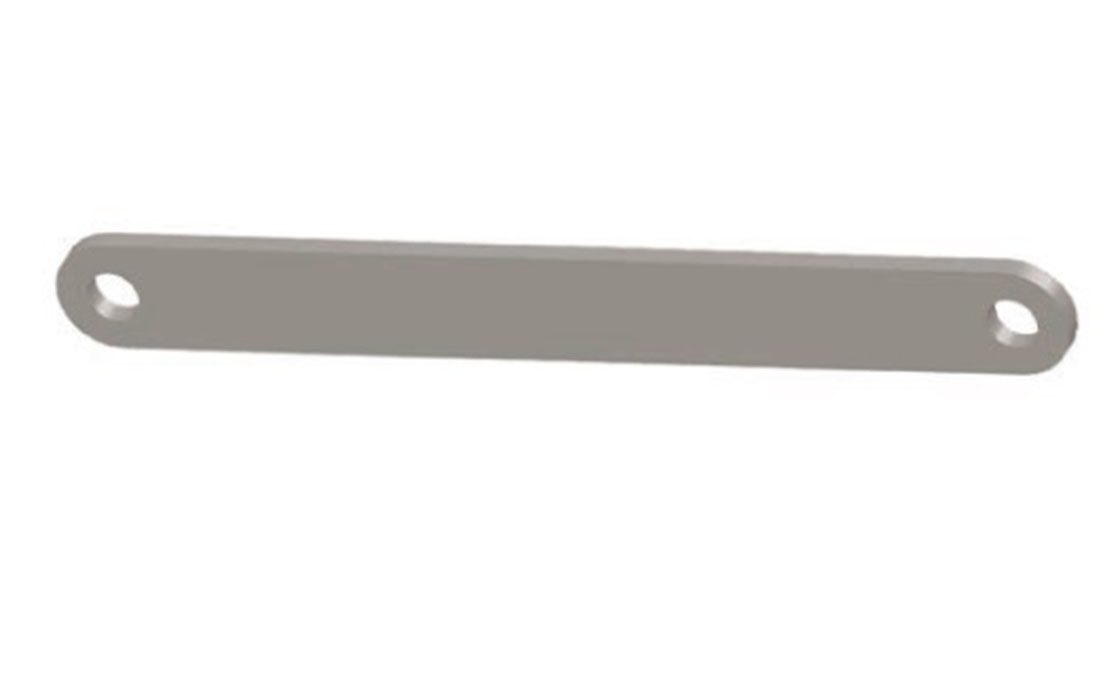
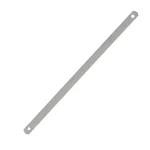
- Fixed-hole brace a hole at each end at a set spacing, for a standard, known arm-and-pole geometry.
- Slotted-hole brace one or more slotted holes allowing the fixing position to be adjusted along the slot. This absorbs tolerance and lets one brace suit a range of arm-and-pole geometries useful where the exact hole position varies, or where the brace must be set square on site.
The slotted variant trades a little installed rigidity for adjustability and tolerance valuable on real structures where dimensions aren’t always exact. Tell us your arm-and-pole geometry (and whether you want fixed or adjustable) and we’ll supply the right pattern.
Why Buyers Choose DAPENG Flat Crossarm Braces
- Sized to hold the arm square: The steel section and length matched to your crossarm and the load it carries, so the brace holds the arm rigid, not just in place.
- Fixed and slotted patterns: Set-spacing braces for standard geometries and slotted-hole braces for adjustment and tolerance.
- Hot-dip galvanized, matched to the arm: Galvanized to ISO 1461 class, the same class as the crossarm and bolts, so the braced assembly ages together.
- Drilled/slotted to your pattern: Hole spacing and pattern to your arm-and-pole geometry, so the brace fits on site without field drilling.
- The crossarm assembly complete: Braces with the crossarms, bolts, and mounting hardware matched and kitted per structure.
Use-Case Deep Dive
Why does a crossarm need a brace at all?
Because a single-point arm mounting isn’t rigid. Bolted through one point, the arm can rotate around that bolt and sag under the conductors’ weight and pull — which shifts the conductor spacing and clearances the arm is supposed to hold. The brace triangulates the arm to the pole, making the mounting rigid so the arm stays square and level for the life of the structure. It’s the difference between an arm that holds its geometry and one that slowly droops or twists. On any arm carrying real conductor load, the brace isn’t optional.
Flat brace or angle/vee brace which do I need?
Both brace a crossarm; the difference is section and duty:
- Flat brace (this page) a flat steel strap, the common, economical brace for standard distribution crossarm bracing.
- Angle / vee braces heavier angle-steel braces (like a V-type crossarm arrangement) for higher loads or where more rigidity is needed.
For standard distribution arms, the flat brace does the job economically; heavier loads or longer arms may step up to an angle/vee brace. Tell us the arm, the load, and the geometry and we’ll advise.
Do the braces come drilled to fit our arms?
Yes the brace holes (fixed or slotted) are made to your arm-and-pole hole pattern, so the brace bolts up on site without field drilling. If your geometry varies across structures, the slotted-hole pattern absorbs the tolerance. Send the arm, the pole, and the brace-point geometry and we supply the braces to fit.
Specifications and What They Mean for You
| Specification | What we supply | What it means for the buyer |
|---|---|---|
| Function | Triangulates arm to pole | Arm stays square; no rotation or sag |
| Section | Flat steel, sized to load | Holds the arm rigid under conductor load |
| Pattern | Fixed and slotted holes | Standard geometry or adjustable tolerance |
| Length | To your arm-and-pole geometry | Forms the correct bracing triangle |
| Coating | HDG to ISO 1461 class | Ages with the crossarm and bolts |
| Drilling | To your hole pattern | Fits on site; no field drilling |
Straight Answers to Common Buyer Concerns
“Do we really need braces, or will the arm hold on its own?” An arm bolted through a single point will rotate and sag under load the braces are what keep it square and level, holding the conductor spacing and clearances the arm sets. On any crossarm carrying conductor load, the braces are part of the structural design, not an accessory. Skipping them lets the arm shift over time. We supply them matched to the arm so the assembly is rigid as designed.
“Fixed or slotted which should we order?” Fixed where your arm-and-pole geometry is standard and known simplest and most rigid. Slotted where the geometry varies across structures, where you want to set the arm square on site, or where you want one brace to suit a range the slot absorbs tolerance. Tell us your geometry and we’ll recommend; many buyers keep slotted braces for their adjustability.
“Can you supply braces drilled to our crossarm standard?” Yes send the arm, pole, and brace-point geometry (or the standard drawing) and the braces arrive drilled or slotted to fit, galvanized to match the arm. Matching a utility’s crossarm-and-brace standard is routine export work, confirmed before production.
Complete the Crossarm Assembly
- Steel cross arms the arm the brace holds square
- Power pole cross arms and V-type cross arms the crossarm types
- D brackets, pole bands the pole-mounting hardware
- Square head machine bolts, double arming bolts the bolts that fix the arm and brace
- Browse all pole line hardware and overhead line fittings
Get a Structure-Matched Quote Within 24 Hours
Send your crossarm and pole geometry (the brace-point positions), the load, whether you want fixed or slotted, and quantities or the crossarm standard drawing. Our team confirms the brace section, length, and pattern, and returns a factory-direct quotation with the crossarm and mounting hardware alongside, typically within one working day.
After You Order
Section, length, and pattern confirmation before production, galvanizing certificates with shipment, braces drilled/slotted to fit and kitted with their crossarms and bolts, and an engineering contact who answers quickly because the brace holds the arm square, and getting it sized and drilled right is what keeps the conductor geometry where the design put it.