



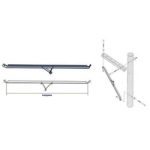
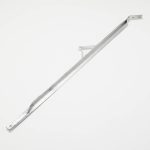
Description
The Offset Arm for Where a Normal Crossarm Won’t Fit
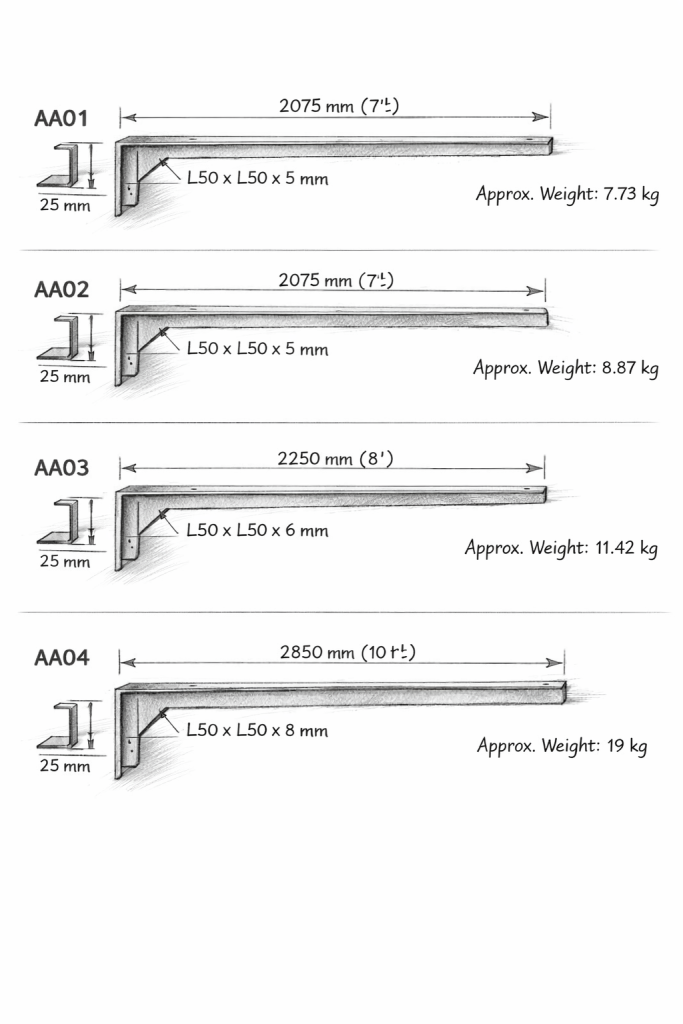
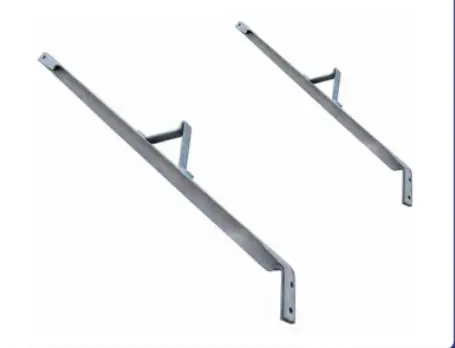
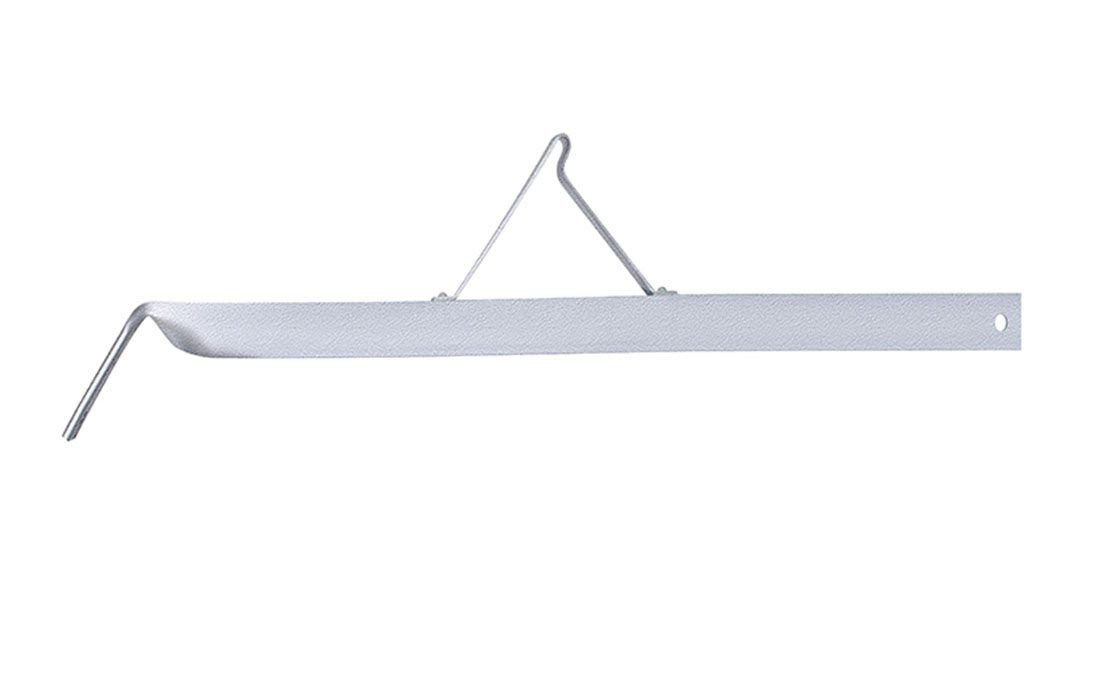
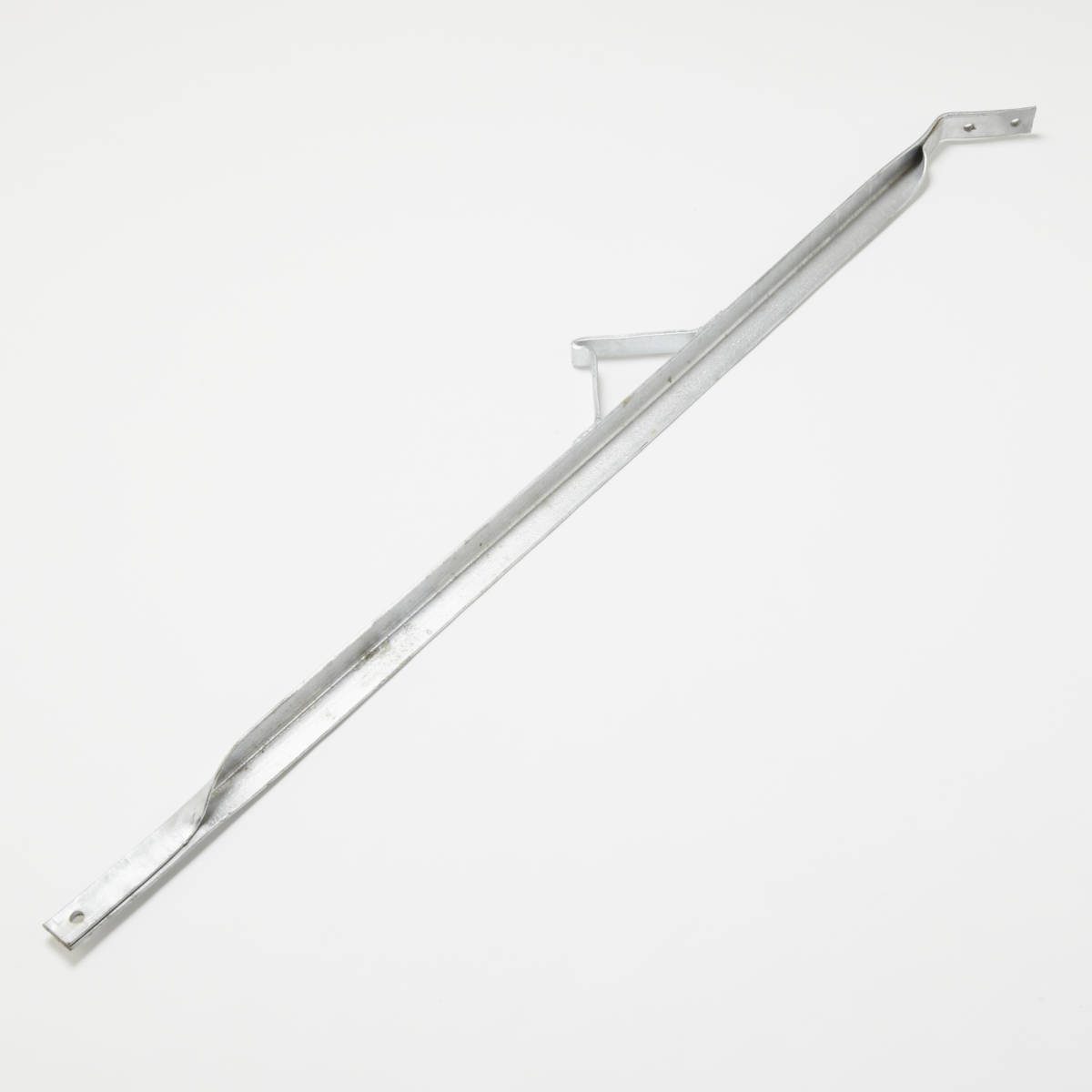
Sometimes a pole can’t carry a normal, symmetric crossarm because one side of it would overhang an alley, a road, a property line, or a building. The conductors still have to be carried out and spaced, but only to one side of the pole. That’s what an alley arm is for: an offset, single-side crossarm that cantilevers the conductors out to one side, with a brace supporting it, so the line clears the obstruction the symmetric arm would have hit.
It solves a clearance problem: the arm goes where there’s room and stays clear of where there isn’t. Named for the classic case (a pole in an alley, where a two-sided arm would overhang neighboring property), the alley arm is the standard answer wherever space or clearance forbids a symmetric arm. This page covers alley arms: the problem they solve, how the offset-and-brace works, and when to use one.
The Clearance Problem It Solves
A standard crossarm is symmetric; it reaches out equally on both sides of the pole. That’s fine in open ground, but a problem where one side is obstructed:
- A pole in an alley whose symmetric arm would overhang a neighbor’s property or building.
- A pole at a road or street edge where one side must stay clear of the carriageway.
- A pole on a property line where the line can only extend one way.
- Any restricted-clearance location where a two-sided arm doesn’t fit.
In all of these, the alley arm carries the conductors out only to the side with room, keeping the obstructed side clear. It’s the arm that fits where the standard one can’t a clearance solution, not just a smaller arm.
How the Offset-and-Brace Works
Carrying conductors out to one side puts a cantilever load on the arm the weight and pull are all on one side of the mounting, trying to rotate and bend the arm down. The alley arm handles it with a brace:
- The arm mounts to the pole and reaches out to the loaded side.
- A diagonal brace strut runs from a point lower on the pole up to the arm, triangulating the cantilever so it doesn’t rotate or sag the same triangulation principle as a crossarm brace, built into the offset assembly.
The brace is what makes the one-sided arm rigid despite the unbalanced load without it, the cantilever would droop. So the alley arm is an arm-plus-brace assembly sized to carry its offset load. Send the conductors, the offset, and the load and we’ll confirm the arm and brace.
Why Buyers Choose DAPENG Alley Arms
- Fits where a symmetric arm can’t: Offset to carry conductors to one side, clearing the alley, road, or property line the standard arm would overhang.
- Braced for the cantilever: The integral brace triangulates the offset load so the arm stays rigid and level, not drooping under the one-sided weight.
- Sized to your clearance and load: Reach, offset, and section matched to your location and conductors or to your drawing.
- Hot-dip galvanized to ISO 1461: The same class as the bolts, insulators, and fittings it carries.
- Drilled and mounted to fit: Insulator and mounting holes to your pattern, mounting to the pole through the mounting hardware ready to bolt up.
Use-Case Deep Dive
When do I need an alley arm instead of a standard crossarm?
Whenever one side of a symmetric arm would hit an obstruction or breach a clearance overhanging an alley, a road, a building, or a property line. If the pole has room on both sides, a standard electrical or power pole cross arm is simpler and cheaper. The alley arm is specifically for the constrained location you use it where you have to, to keep the line clear of what’s beside the pole. Tell us the clearance situation and we’ll confirm whether an alley arm is the answer and what size.
Why does an alley arm need a brace when a normal arm’s brace is separate?
Because the alley arm’s load is all on one side a cantilever which puts a strong rotating/bending force on the mounting that a symmetric arm doesn’t face as severely. The brace is integral to the offset design because it’s carrying that unbalanced load as a core structural function, not an add-on. The arm and its brace are engineered together as the assembly that holds the offset load rigid.
How does it mount and carry the insulators?
The arm mounts to the pole (through the mounting hardware / bolts) with the brace to the pole below, and carries the insulators on pins at the drilled positions along its reach. It’s supplied drilled to your pattern and galvanized, ready to mount and carry the conductors on the offset side.
Specifications and What They Mean for You
| Specification | What we supply | What it means for the buyer |
|---|---|---|
| Type | Offset single-side crossarm | Carries conductors to one side only |
| Reach / offset | To your clearance | Fits the constrained location |
| Brace | Integral diagonal strut | Holds the cantilever rigid |
| Section | Steel, sized to load | Carries the offset conductor load |
| Coating | HDG to ISO 1461 class | Ages with the arm’s hardware |
| Drilling | To your hole pattern | Ready to bolt up and carry insulators |
Straight Answers to Common Buyer Concerns
“When should we use an alley arm?” Where one side of a normal symmetric crossarm would overhang an obstruction or breach a clearance an alley, a road edge, a property line, a building. The alley arm carries the conductors out only to the side with room, keeping the obstructed side clear. If both sides are clear, a standard arm is simpler; the alley arm is for the constrained location specifically. Send us the clearance situation and we’ll advise.
“Will the one-sided arm sag under the load?” Not with its brace. The offset load is a cantilever, so the alley arm is built with an integral diagonal brace that triangulates and carries that unbalanced load holding the arm rigid and level. The arm and brace are engineered together for exactly this; that’s what makes the one-sided design work.
“Can you size and drill it to our clearance and standard?” Yes send the clearance/offset you need, the conductors and load, and your hole pattern (or standard drawing), and the alley arm arrives sized, braced, drilled, and galvanized to fit. Matching a utility’s alley-arm standard is routine export work, confirmed before production.
Complete the Structure
- Steel cross arms the crossarm hub and type selection
- Electrical cross arms, power pole cross arms, V-type cross arms the symmetric and heavy-duty crossarm types
- Flat crossarm braces braces for symmetric arms
- Insulator pins, insulators what the arm carries
- D brackets, pole bands, square head machine bolts the mounting hardware
- Browse all pole line hardware and overhead line fittings
Get a Clearance-Matched Quote Within 24 Hours
Send your clearance situation and offset, the conductors and load, the hole pattern (or standard drawing), and quantities. Our engineers confirm the alley arm’s reach, section, brace, and drilling, and quote it complete with the insulators and mounting hardware, typically within one working day.
After You Order
Reach, section, brace, and drilling confirmation before production, galvanizing certificates with shipment, arms drilled and braced to fit and kitted with their mounting and insulator hardware, and an engineering contact who answers precisely because the alley arm keeps the line clear of what’s beside the pole, and getting the offset, brace, and drilling right is what makes it fit and hold.