Description
The Electrode That Gives Fault Current and Lightning a Way to Earth
Every earthing system ends in the ground literally. A ground rods (earth rod) is the driven electrode that makes the connection: a metal rod, driven into the soil, that gives fault current a low-resistance path to earth and lightning somewhere safe to go. Get it right and equipment and people are protected for decades; get it wrong- material too thin, too corroded, too short for the soil and the protection quietly degrades until the day it’s needed and isn’t there.
The two decisions that matter are which rod (copper-bonded or galvanized) and matched to (your soil and your earth conductor). This page covers both rod types, the choice between them, and the connection hardware that completes the earth.
Copper-Bonded or Galvanized? The Core Choice
There are two main ground rod types, and the choice has real, long-term consequences:
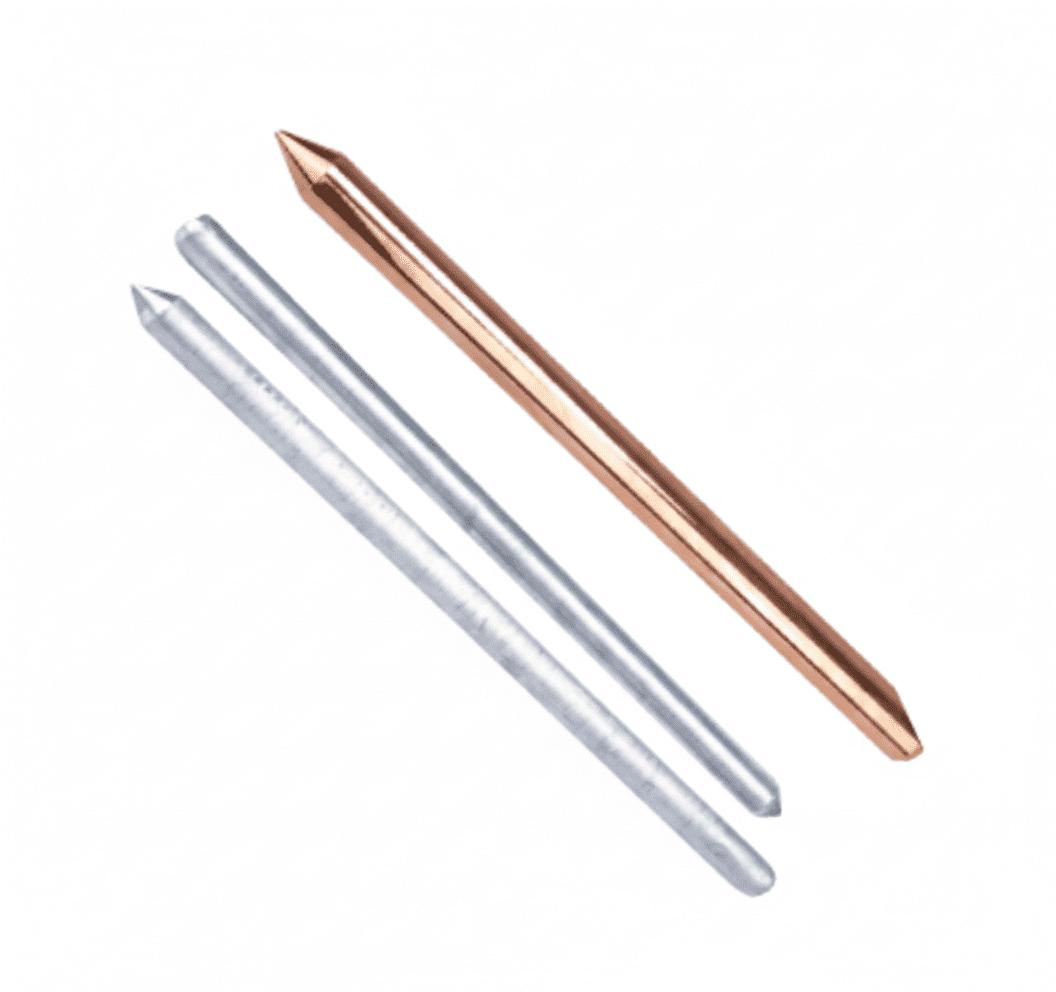
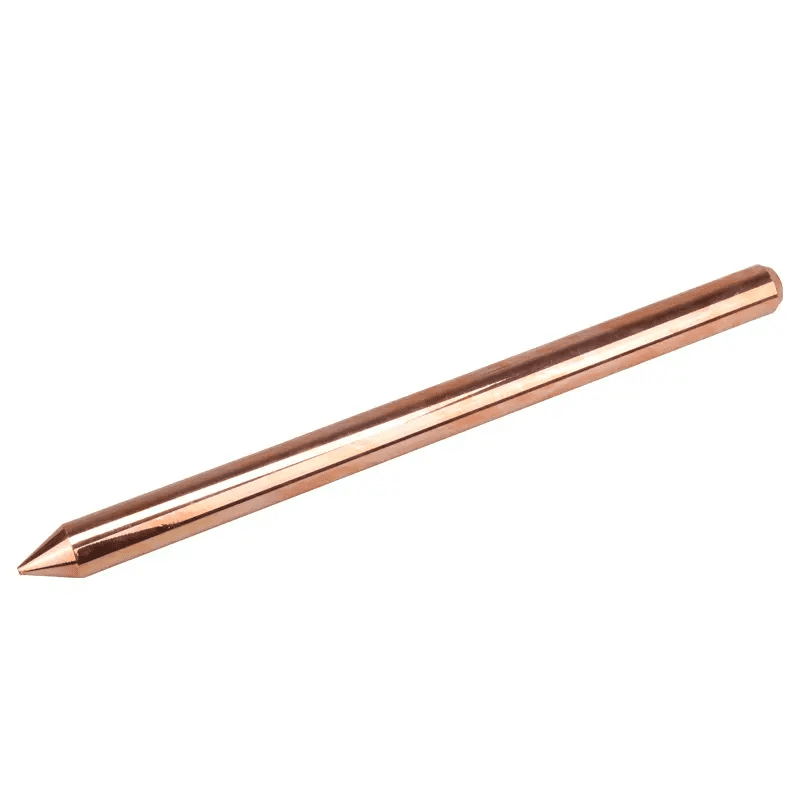
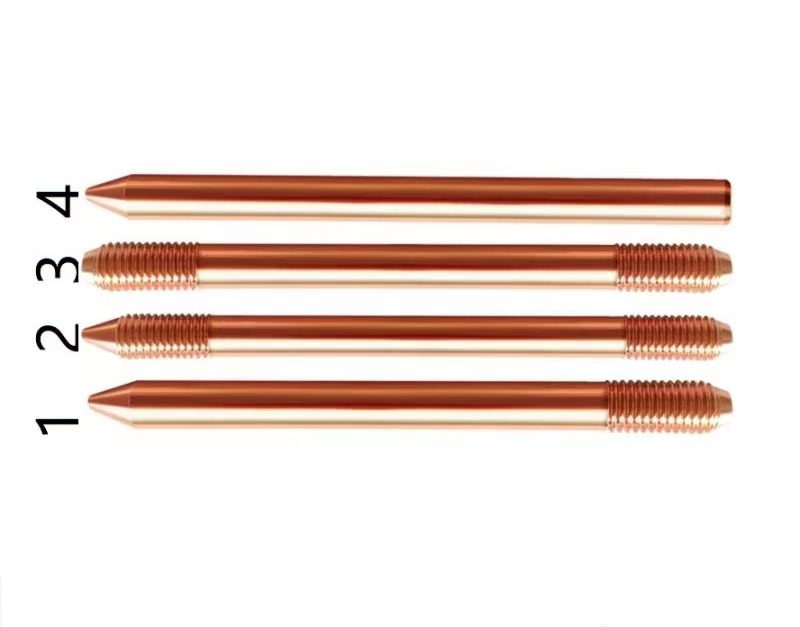
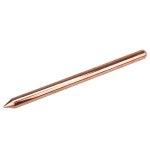
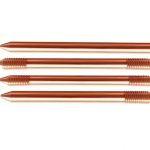
- Copper-bonded ground rods a steel core with a copper layer, combining steel’s drivability with copper’s corrosion resistance and conductivity. The standard for most permanent installations, and for systems with copper earth conductors.
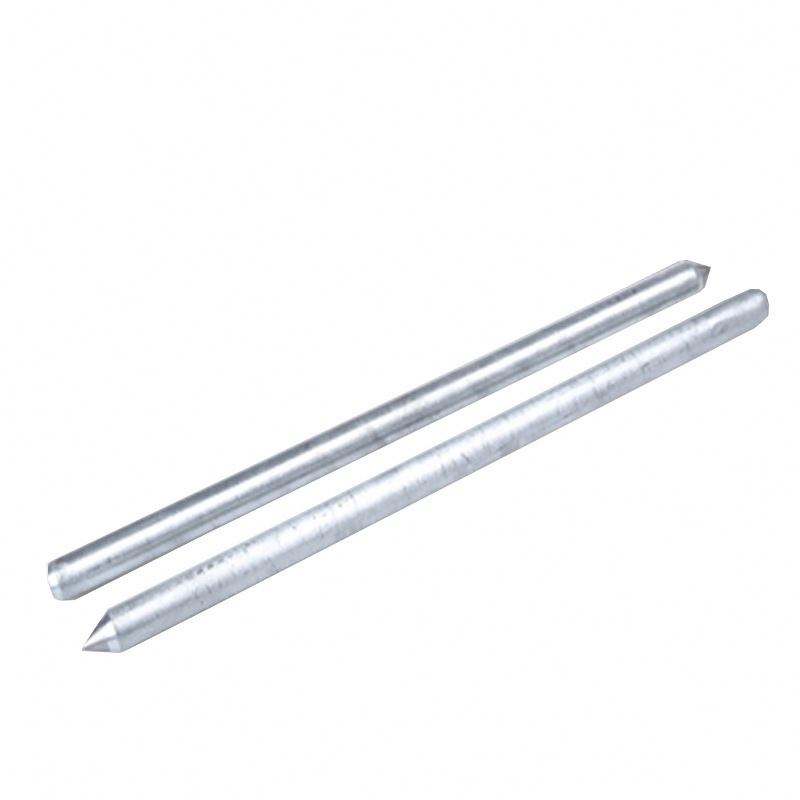
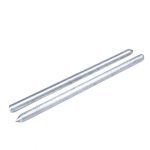
- Hot-dip galvanized ground rods a steel core with a zinc coating (our HDG rods carry a zinc layer ≥0.254mm). The choice where the system is zinc-matched, the design life is shorter, or the utility standard specifies galvanized.
The decision often comes down to two things: service life (copper-bonded lasts longer in most soils) and galvanic compatibility with your earth conductor because connecting dissimilar metals in soil builds a corrosion cell. We walk the full comparison in our guide, Copper Bonded vs Galvanized Ground Rod it covers corrosion life, the galvanic trap, lifecycle cost, and soil factors.
The One Spec Buyers Must Check: Copper Thickness
Here’s the ground-rod detail that separates a rod that lasts from one that doesn’t and it’s the one most often glossed over.
On a copper rod, how the copper is applied, and how thick it is, decides the service life. The benchmark for a long-life copper-bonded rod is a molecularly bonded copper layer around 254 microns (10 mil) thick enough, and bonded well enough, to protect the steel for decades and to survive driving without peeling. A thin copper-flash or lightly electroplated rod may carry only tens of microns, and it corrodes through far sooner.
So the questions to ask any supplier including us are: is the copper bonded or plated, and how many microns? Our copper rods are specified with the copper thickness stated, so you’re buying a known grade, not an unspecified “copper rod.”
Sizing and Driving: Getting the Electrode Into the Ground
Two more decisions complete the rod:
- Diameter and length our rods run in the common sizes (1/2″, 5/8″, 3/4″, 1″; roughly 12.5–25mm) and lengths from about 1200 to 3000mm. Longer rods reach deeper, more stable soil moisture and lower resistance; a single rod may not be enough in high-resistivity soil.
- Driving deeper for lower resistance where one rod length can’t achieve your target earth resistance, ground coupling rods join rods end-to-end to drive deeper, with a driving stud protecting the thread. This is how you hit a resistance target in difficult ground without a bigger electrode field.
Send your earthing design (target resistance, soil resistivity if known) and we’ll advise rod type, length, and whether coupling is needed.
Why Buyers Choose DAPENG Ground Rods
- Both types, honestly specified: Copper-bonded and galvanized, with the grade copper thickness or zinc layer stated, so you buy a known electrode, not an unspecified rod.
- Matched to your conductor metal: Rod type chosen to avoid the galvanic couple with your earth conductor the corrosion trap that shortens electrode life. (See the blog.)
- Drivable and true: Steel core for driving, straightness held (HDG rods ≤1mm/m), threads clean for coupling and clamping.
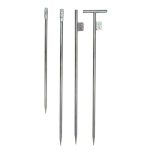
- Complete with the connection hardware: Rods with the ground rod clamps, coupling rods, strand ground clamps, and I-beam grounding clamps that connect the earth matched and kitted.
- Verified before shipment: Material certificates (copper thickness / zinc layer), and third-party inspection welcome because a rod’s grade is cheap to check at the factory and impossible to check once it’s in the ground.
Use-Case Deep Dive
Copper-bonded or galvanized which for my project?
Copper-bonded for most permanent installations and any system with copper earth conductors (matched metals, long life). Galvanized where the earthing system is zinc/galvanized-matched, the design life is shorter, or your utility standard specifies it. The deciding factors are service life, galvanic compatibility, and lifecycle cost all covered in the comparison guide. Send your conductor metal and design life and we’ll match the rod.
How do I reach my target earth resistance in poor soil?
Drive deeper, or use more electrodes. A longer rod or rods joined with coupling rods to drive deep reaches soil with lower, more stable resistivity, often the most effective single move. In very high-resistivity ground, multiple rods in an array, or supplementary earthing, may be needed. Send the soil resistivity and target resistance and we’ll advise the rod length, count, and coupling the electrode design, not just the rod.
What connects the earth conductor to the rod?
A ground rod clamp makes the conductor-to-rod connection; strand ground clamps bond to strand, and I-beam grounding clamps bond to steel structures. Match the clamp metal to the rod and conductor to avoid a galvanic couple at the connection the same principle that governs the rod choice. We supply the clamps with the rods, matched, so the earth is made correctly end to end.
Straight Answers to Common Buyer Concerns
“How do I know I’m getting real copper thickness, not a thin flash?” Ask for it in microns, and verify it: our copper rods state the copper thickness, material certificates confirm it, and third-party inspection is welcome. A cross-section or coating measurement on a sample settles it before a container ships. The difference between a bonded 254µm rod and a thin electroplated one is decades of service life and it’s invisible from the outside, which is exactly why the spec, not the appearance, is what you buy on.
“Ground or earth rod same thing?” Yes “ground rod” (US usage) and “earth rod” (Commonwealth/IEC usage) are the same driven electrode. Your market’s term doesn’t change the product; we supply to both terminologies and to IEC, BS, and other earthing standards.
“Can you supply the complete earthing kit?” Yes the rods, couplings, clamps, and structure bonds, matched in metal and kitted, so the earth is made from one consistent supply rather than assembled from mismatched parts.
Explore the Grounding Range
- Copper grounding rods and HDG grounding rods the two rod types
- Ground rod clamps conductor-to-rod connection
- Ground coupling rods driving deeper
- Strand ground clamps and I-beam grounding clamps bonding to strand and steel
- Ground anchors / grounding the full earthing and anchor category
- Guide: Copper Bonded vs Galvanized Ground Rod
Get an Earthing Quote Within 24 Hours
Send your earthing design target resistance, soil, conductor metal, and quantities or just the rod type, size, and length you need. Our engineers confirm the rod, grade, length, and connection hardware, and return a factory-direct quotation, typically within one working day.
After You Order
Grade and size confirmation before production, material certificates (copper thickness / zinc layer) with shipment, rods kitted with their clamps and couplings, and an engineering contact who answers precisely because the electrode is the part of the earthing system nobody can inspect once it’s driven, and its grade is worth confirming before it goes in the ground.