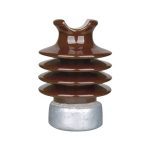
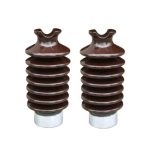
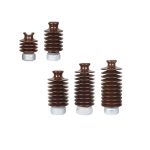
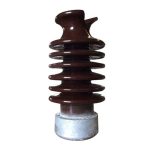
Description
The Rigid Support That Holds the Conductor Firm
A pin insulator and post insulators sits on a spindle and holds the conductor on top simple and economical, and right for many distribution lines. But as voltage rises and the demands grow, a stiffer, cleaner support earns its place: the post insulator, a rigid insulating post bolted to the structure that holds the conductor at the top with better mechanical strength and a cleaner electrical profile.
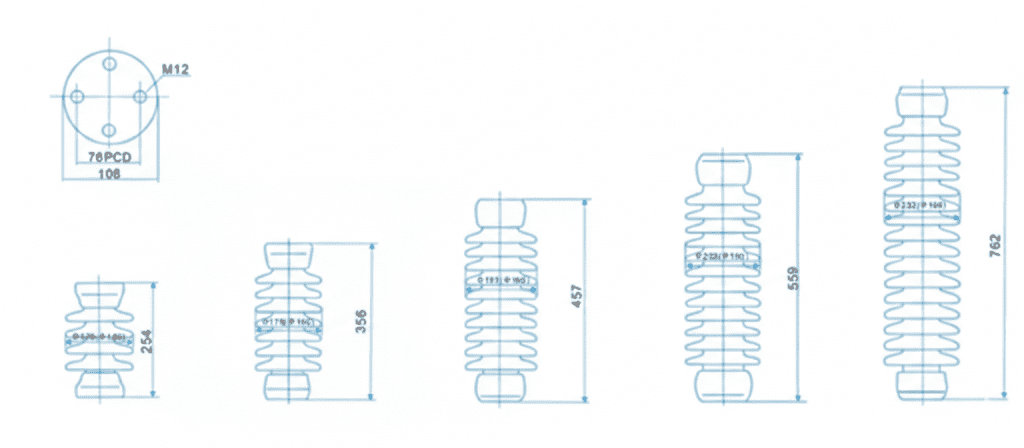
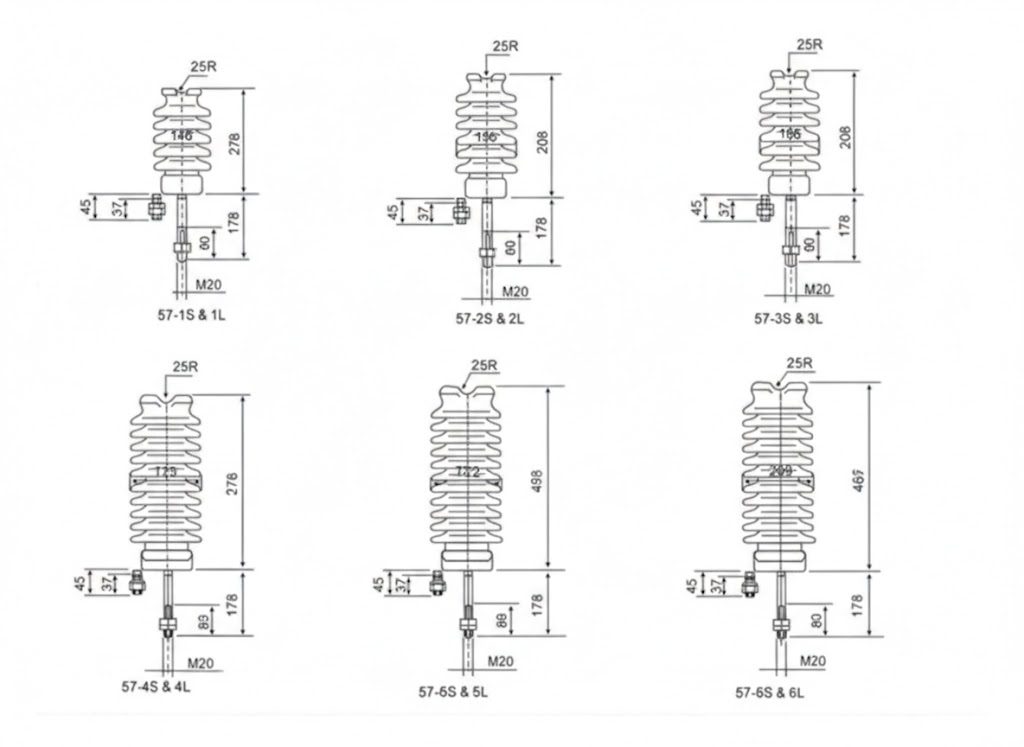
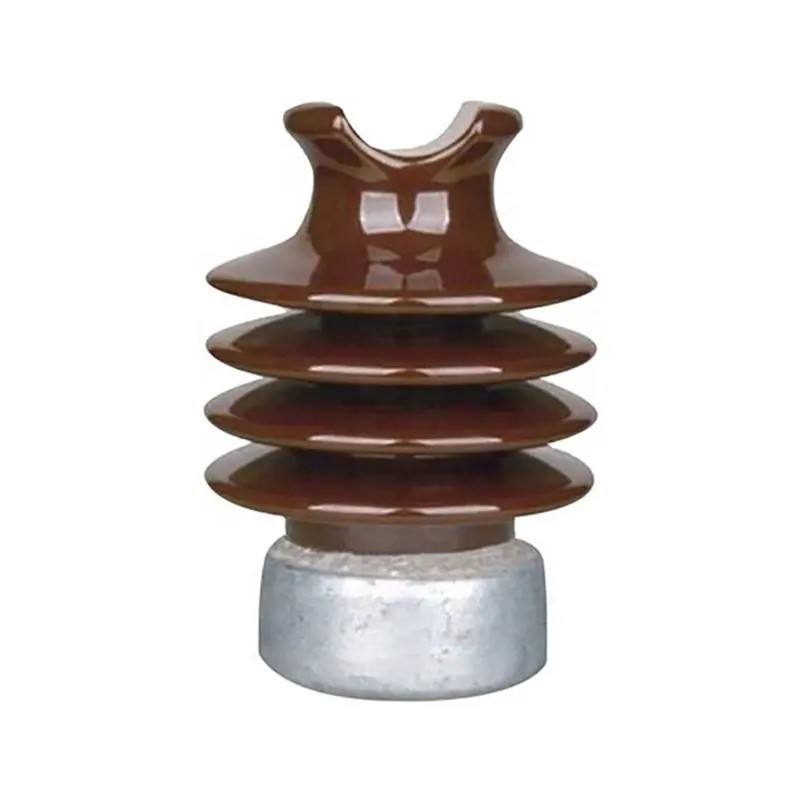
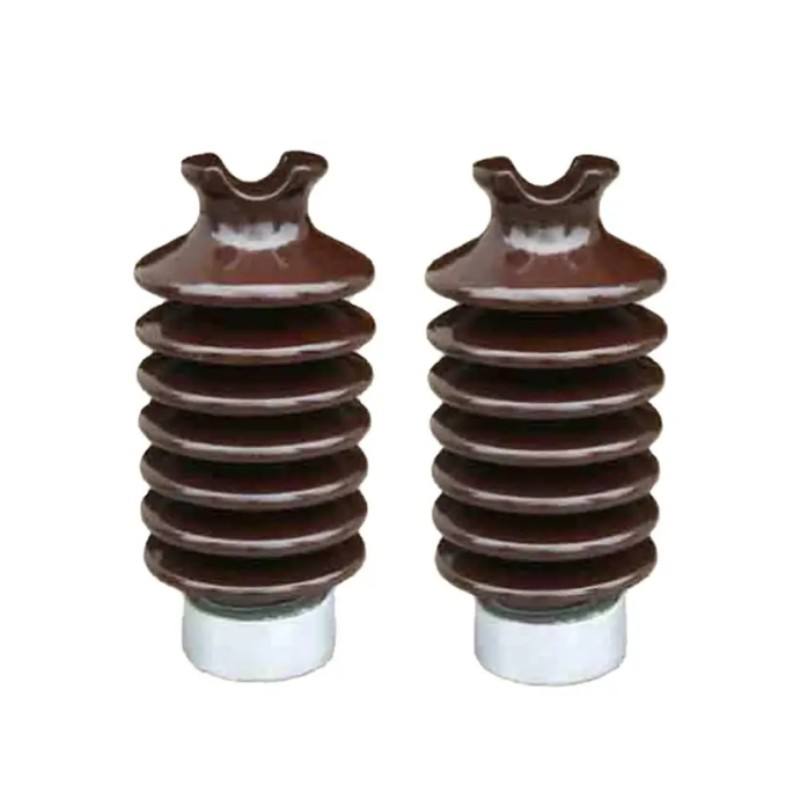
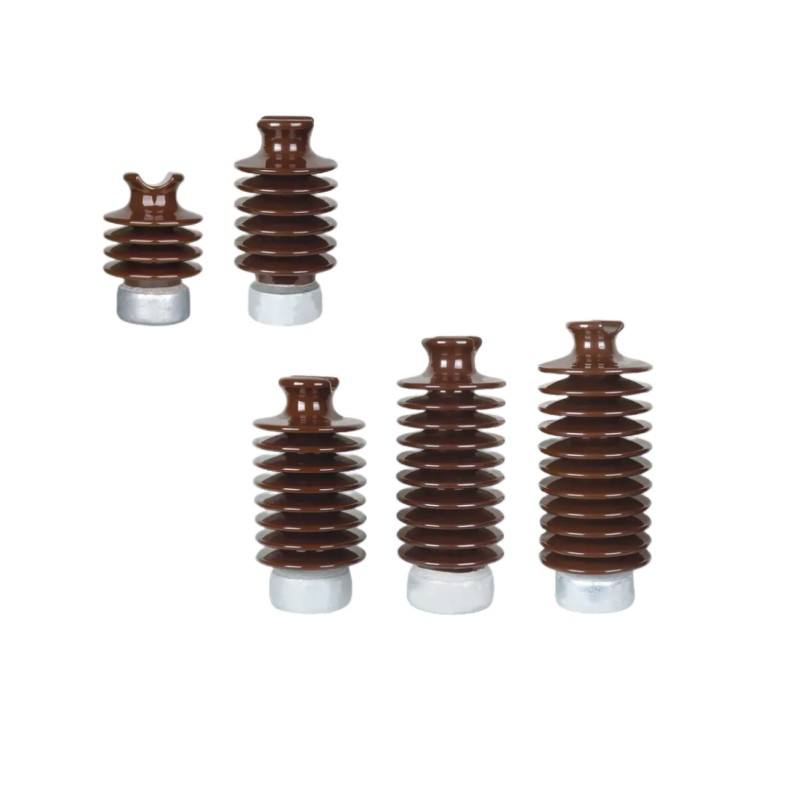
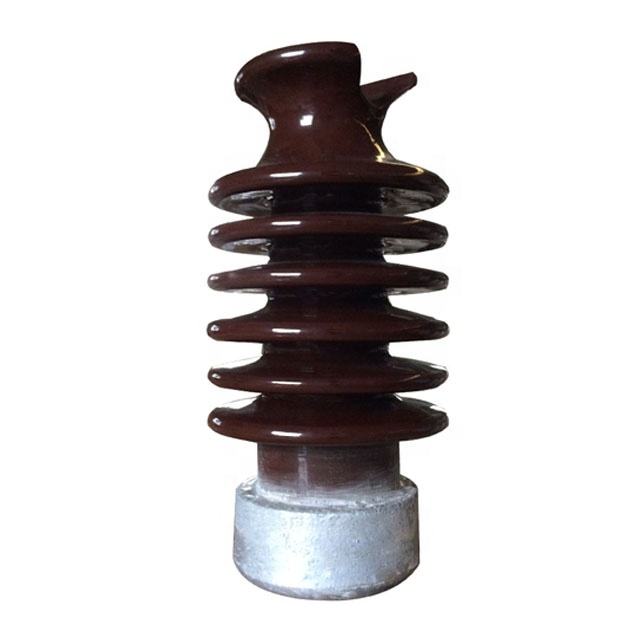
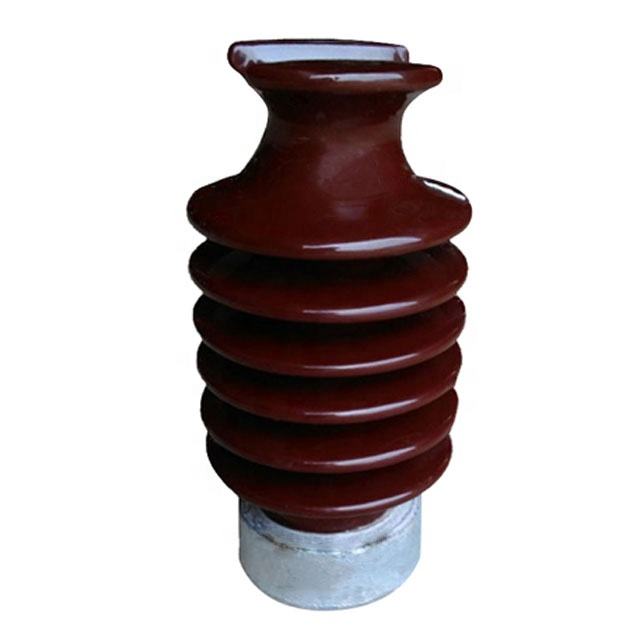
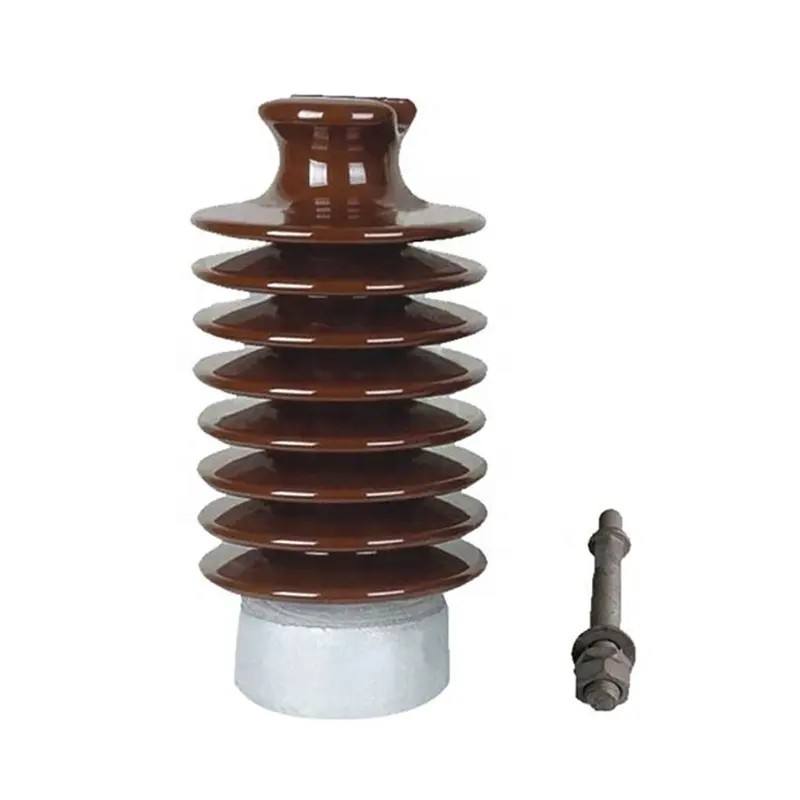
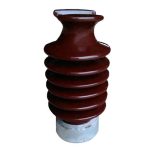
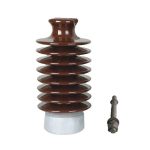
Instead of a conductor tied to a spindle-mounted cap, a post insulator presents a solid insulating column of porcelain or composite bolted firmly to a bracket or crossarm, with the conductor secured at its top. It handles higher distribution voltages more cleanly, takes a defined sideways (cantilever) load, and gives a tidy, robust support. This page covers post insulators: when to choose them over pin types, the cantilever spec that matters, and how they mount.
Pin or Post? The Real Distribution Decision
For distribution and sub-transmission conductor support, the choice is usually between a pin and a post insulator, and it comes down to voltage, mechanical demand, and cost:
- Pin insulators spindle-mounted, conductor tied on top; economical, simple, and right for lower distribution voltages and lighter mechanical duty.
- Post insulators (this page) rigid, bolt-mounted; cleaner electrically at higher distribution voltages, stronger mechanically (a defined cantilever rating), and tidier at a higher cost than a pin type.
As distribution voltages climb toward the upper end, and where mechanical demands or a cleaner profile matter, the post insulator becomes the better choice. Where cost and simplicity dominate at lower voltages, the pin type holds its place. Tell us the voltage and the duty, and we’ll advise honestly which suits we make both, so the recommendation is about your line, not the sale.
The Cantilever Rating: The Post-Specific Spec
The mechanical spec that defines a post insulator and that pin insulators don’t share in the same way is its cantilever strength: the sideways load the post can take at its top without failing. Because the conductor is held rigidly at the top of a vertical post, any horizontal force (wind on the conductor, tension imbalance at a light angle, a lineman’s load) acts as a bending moment on the post, and the cantilever rating is what says how much it can take.
Selecting a post insulator therefore means matching two things: the electrical rating (voltage class, creepage for your pollution level) and the mechanical cantilever rating (the horizontal conductor load at your position). A post that’s electrically fine but under-rated on cantilever will fail mechanically; both must suit your line. Send your voltage, pollution level, and the mechanical load at the position, and we confirm both ratings.
Why Buyers Choose DAPENG Post Insulators
- Matched on both ratings: Voltage class and creepage to your line and pollution level; cantilever strength to your mechanical load because a post insulator has to pass both.
- The material for your environment: Porcelain for the traditional, proven choice; composite/polymer where weight, impact resistance, or heavy pollution favors it.
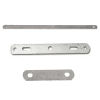
- Mounted with the right bracket: Supplied with the post insulator brackets that fix them to the pole or structure bolted or banded so the mounting is matched, not improvised.
- Specified to your standard: IEC, ANSI, or BS voltage and mechanical classes to your utility’s specification, with test documentation.
- The insulator and its hardware from one source: Post insulators with their brackets, ties, and crossarm hardware matched and kitted.
Use-Case Deep Dive
When should I use a post insulator instead of a pin insulator?
At the higher distribution and sub-transmission voltages, where a post insulator’s cleaner electrical profile and stronger mechanical support are worth the extra cost; where the mechanical duty (wind, light angles, load) needs the defined cantilever strength a post gives; and where a tidier, more robust support is wanted. At lower voltages with light duty and cost pressure, the pin insulator remains the economical choice. The crossover depends on your voltage and standard tell us both and we’ll advise.
Line-post or station-post which do I need?
A line-post insulator supports the conductor on a distribution or sub-transmission line structure the common type for overhead lines. A station-post insulator is a heavier, taller type for substations and switchyards, supporting busbars and equipment at higher mechanical and voltage duty. If you’re supporting a line conductor, you want the line-post type; substation support is a different, heavier product. Tell us the application and we’ll confirm which and whether it’s in this range or a separate one.
How does a post insulator mount to the structure?
By its base, to a post insulator bracket or directly to the crossarm/structure bolted on steel and timber, banded on concrete poles. The bracket sets the insulator’s position and standoff; the conductor is secured at the insulator top with an insulator tie or clamp top. We supply the insulator, the bracket, and the tie matched, so the support mounts where the design put it.
Specifications and What They Mean for You
| Specification | What we supply | What it means for the buyer |
|---|---|---|
| Voltage class | To your system voltage | Electrically rated for your line |
| Cantilever strength | To your mechanical load | Takes the sideways conductor load without failing |
| Creepage | To your pollution level | Resists flashover in your environment |
| Material | Porcelain / composite | Suited to your environment and standard |
| Mounting | Base to bracket / structure | Mounts correctly and holds position |
| Standard | IEC / ANSI / BS | Passes your specification review |
Straight Answers to Common Buyer Concerns
“How do we make sure the post is strong enough mechanically, not just electrically?” By matching the cantilever rating to the horizontal conductor load at your position the sideways force from wind, light angles, and service loads. A post insulator has both an electrical rating (voltage, creepage) and a mechanical one (cantilever), and both must suit your line; the mechanical one is the spec most often overlooked. Send the load and we confirm the cantilever class, on datasheet figures with test documentation.
“Porcelain or composite?” Porcelain is the proven, traditional choice with a long service record; composite/polymer is lighter, impact- and vandal-resistant, and often better in heavy pollution or coastal environments. The right choice depends on your environment, mechanical duty, and standard. We’ll advise honestly on the trade-off rather than push one.
“Can you match our standard and supply the mounting?” Yes send the voltage class, cantilever requirement, creepage, and standard, and we supply the post insulators to match, with the brackets and ties that mount them. Matching a utility’s insulator specification is routine export work, with test documentation and third-party inspection welcome.
Complete the Support
- Post insulator brackets the mounting for the post
- Pin insulators, insulator pins, pole top pins the pin-mounted alternative
- Insulator ties securing the conductor to the insulator
- Steel cross arms the structure the post mounts to
- Insulators the full insulator range and the type-selection hub
- Browse all pole line hardware and overhead line fittings
Get a Line-Matched Quote Within 24 Hours
Send your system voltage, the pollution level, the mechanical (cantilever) load at the position, the material preference, and quantities or the insulator specification. Our engineers confirm both ratings and the mounting, and return a factory-direct quotation with the brackets and ties alongside, typically within one working day.
After You Order
Rating and mounting confirmation before production, test documentation and certificates with shipment, insulators kitted with their brackets and ties, and an engineering contact who answers precisely because a post insulator has to pass both an electrical and a mechanical test, and getting both right is what keeps the conductor supported and clear.