
Description
Making the Line Visible Before a Bird Hits It
An overhead earth wire is nearly invisible to a bird in flight, a thin, high line against the sky that large and fast-flying birds don’t see until too late. Collisions with power lines kill birds in significant numbers, and the thin, uppermost earth wire is the usual culprit precisely because it’s the hardest to see.
A bird flight diverters fixes that by making the line visible: a marker attached to the conductor or earth wire at intervals, big enough and distinct enough that a bird sees the line in time to fly over or around it. It doesn’t shock, trap, or deter with discomfort; it simply gives the bird what it lacked: a visible line. On lines through migratory routes, wetlands, and other sensitive habitats, diverters are increasingly required by environmental permits, wildlife regulations, and utilities’ own ESG commitments.
This page covers bird flight diverters: why they’re specified, the types and when to use each, and how to install them.
Why Diverters Are Specified Often Required
Most buyers reach this product for one of three reasons, and all three point the same way:
- A permit condition: An environmental permit for a new or upgraded line frequently requires diverters on spans crossing sensitive habitat a condition that must be met to build or energies.
- A wildlife regulation or protected-species obligation: Legal protections for birds (migratory, endangered, or otherwise) can mandate collision mitigation, and diverters are the standard measure.
- An ESG / sustainability commitment: Utilities increasingly commit to reducing wildlife impact, and line marking is a visible, auditable step.
In each case the buyer needs a diverter that satisfies the requirement and installs practically across the flagged spans. Tell us the driver permit, regulation, or policy and the spans, and we’ll match the product to it.
Which Diverter Type and When
Diverters come in a few forms, chosen by the visibility the situation needs.
| Type | What it is | Best where |
|---|---|---|
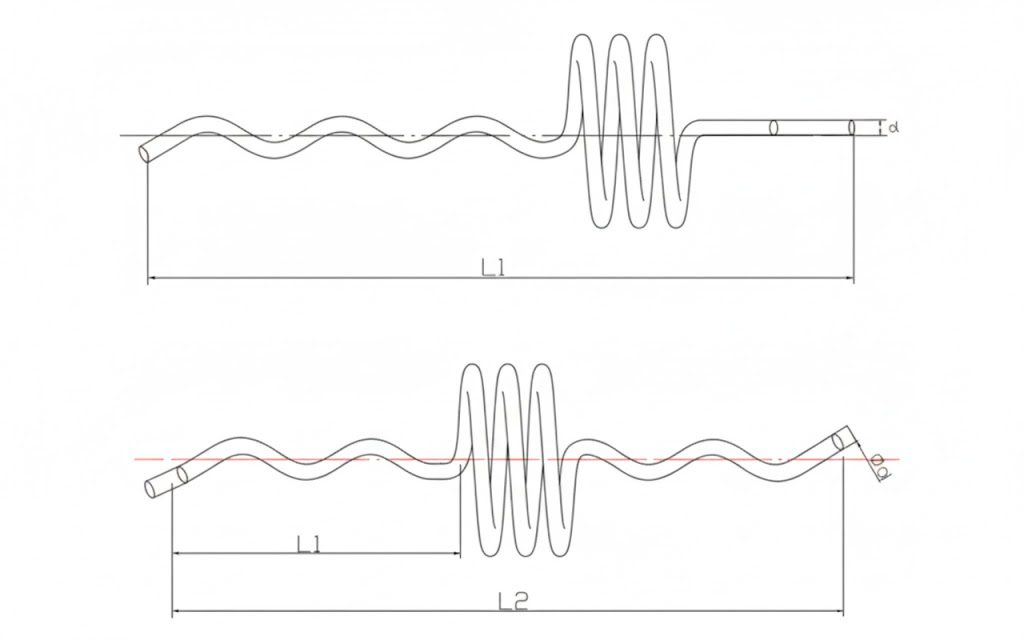
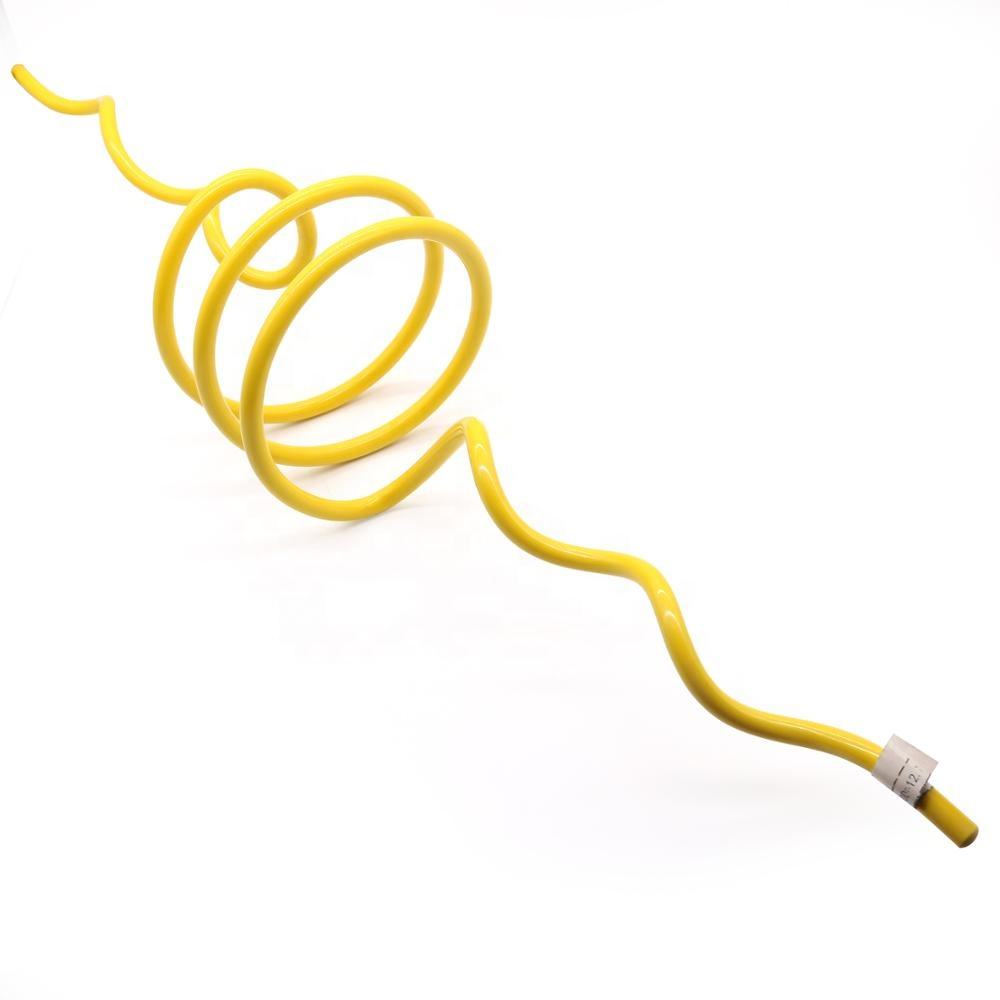
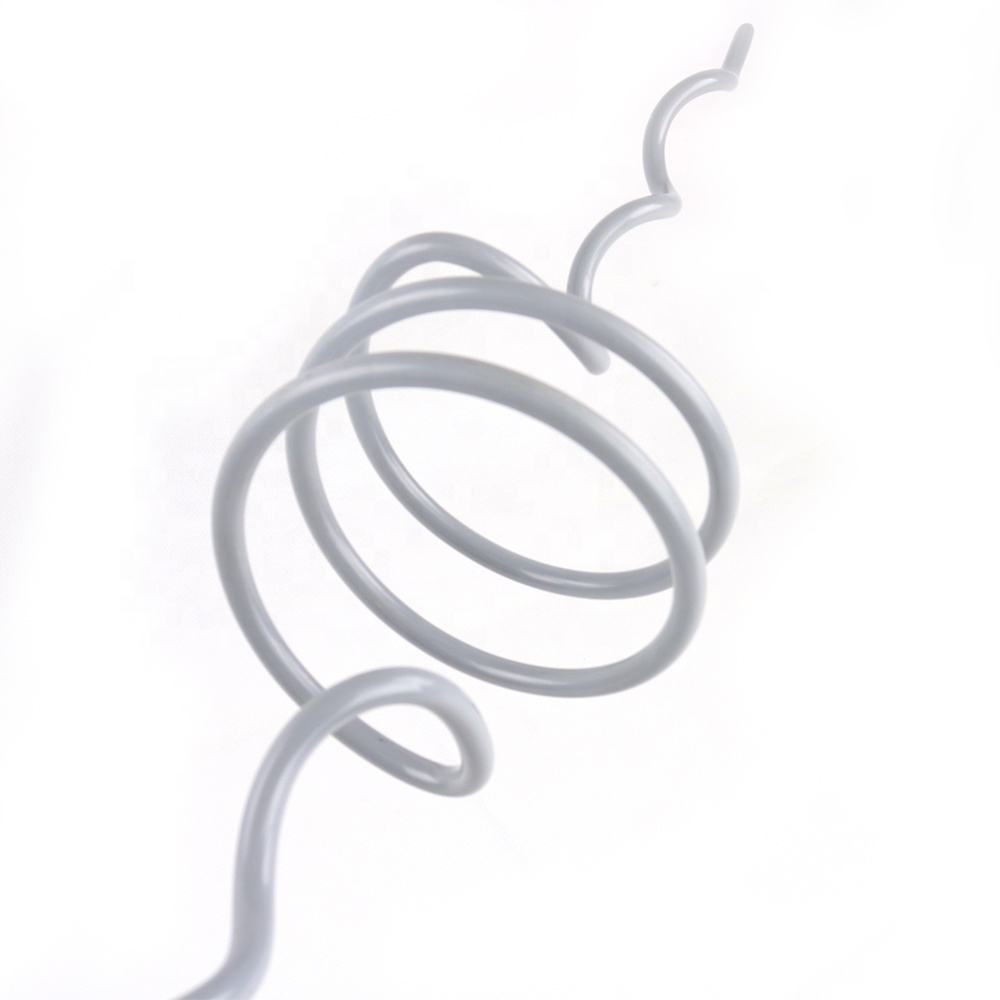
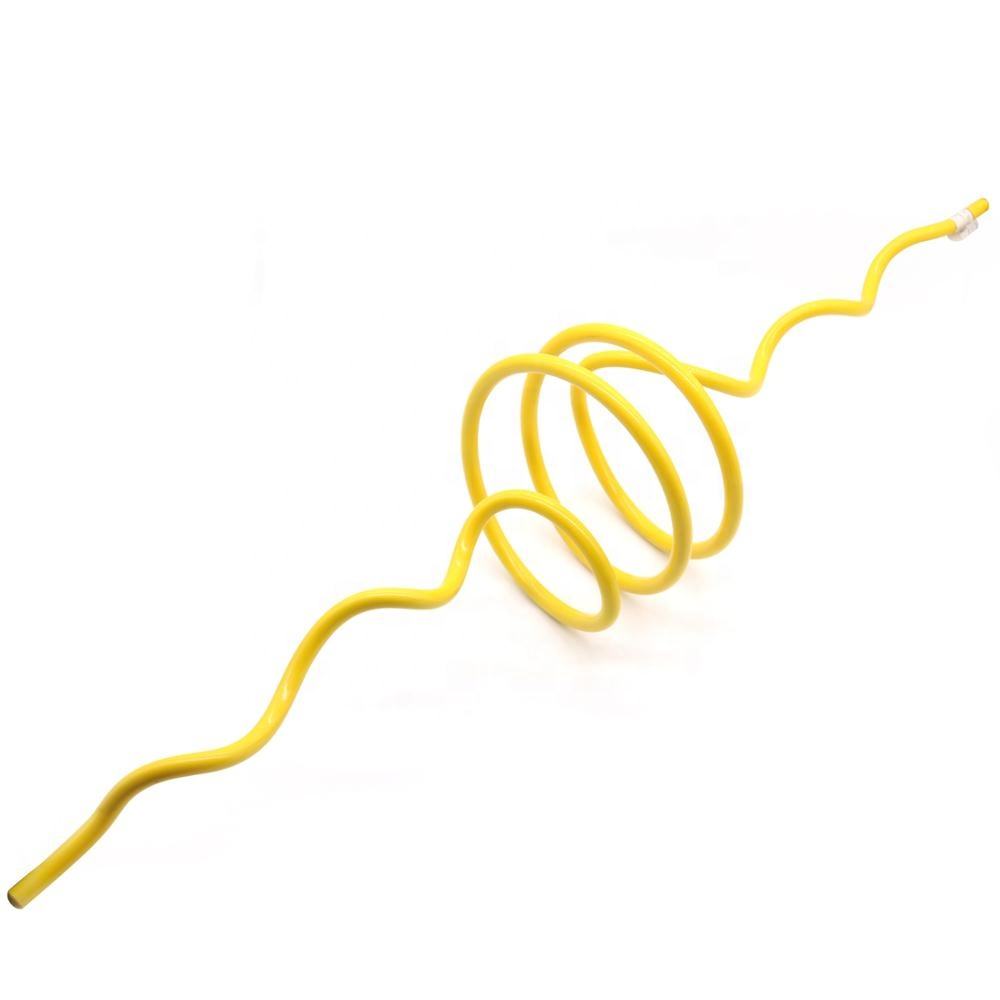
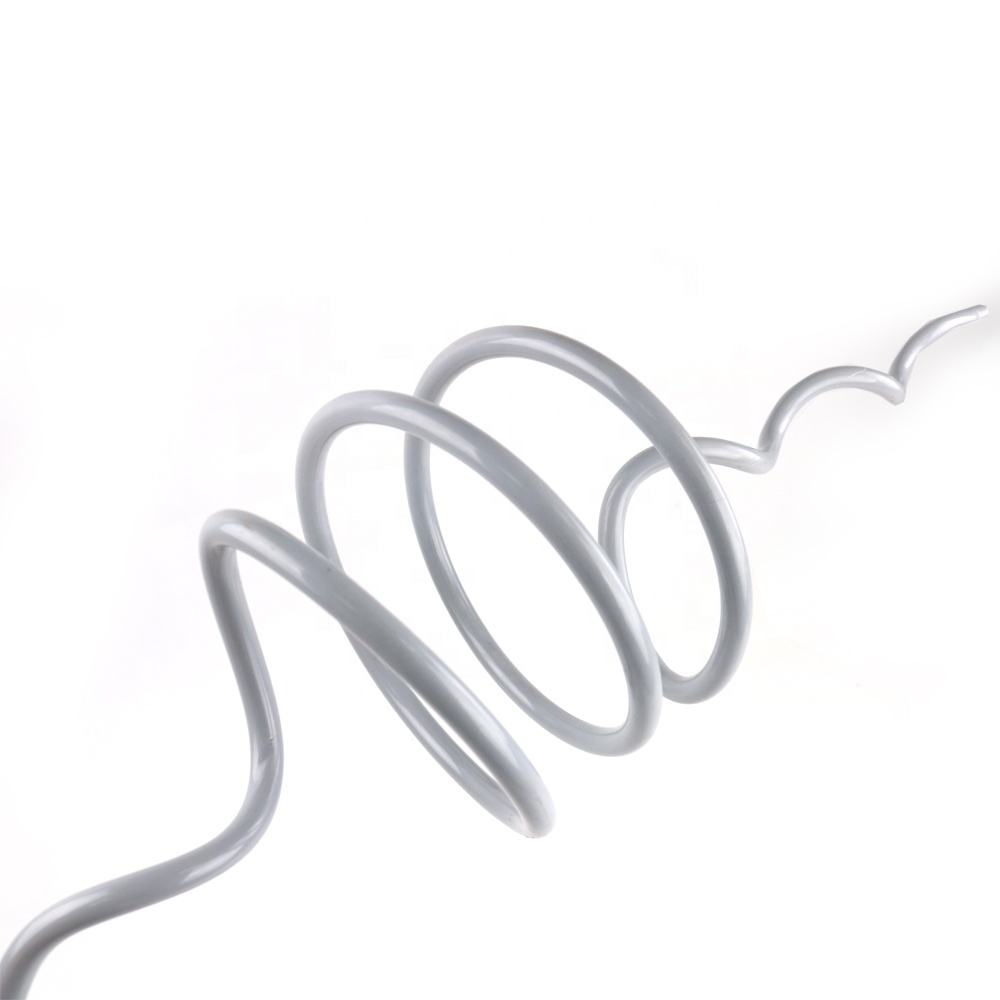
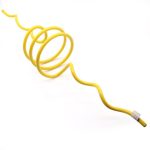
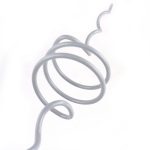
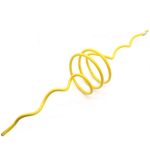
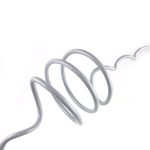
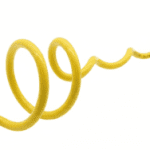
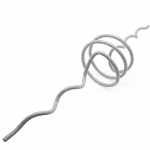
| Spiral / helical | A formed spiral coil clipped onto the line, adding a wide, visible profile | General collision mitigation; tool-free install; the common workhorse |
| Swinging / flapper | A hanging marker that moves in the wind | Extra attention-grabbing motion; open, high-collision spans |
| Reflective / glow | Reflective or photoluminescent surfaces | Dawn/dusk and low-light visibility, and night-flying species |
The spiral type is the common choice simple, robust, tool-free, and effective for general marking. Swinging types add motion where a static marker may not be enough. Reflective/glow variants extend visibility into low light. Many projects mix types or spacing by span. Tell us the habitat, the species of concern if known, and the light conditions, and we’ll advise the type and spacing.
Why Buyers Choose DAPENG Bird Flight Diverters
- Visible by design: Sized and colored (and reflective, where specified) to make the line seeable to birds in the conditions your habitat presents because visibility is the entire function.
- Tool-free installation: Spiral diverters clip on by hand, wrapping the conductor or earth wire fast across many spans, and installable by the methods your project allows.
- Made for the conductor and the outdoors: Materials that grip the line without damaging it and survive UV and weather for a useful service life a diverter that degrades and drops off stops protecting.
- Matched to your line: Sized to your conductor/earth wire diameter so they fit and hold.
- Sourced with your line hardware: Diverters quoted alongside the conductor hardware, dampers, and fittings of the same project one supplier for the build and the mitigation.
Use-Case Deep Dive
Where on the line do diverters go?
Usually on the earth wire (the topmost, thinnest, least visible line and the one birds most often strike), and on conductors where the guidance requires, across the spans flagged as high-collision-risk: crossings of wetlands, rivers, migratory corridors, and known flight paths between roosting and feeding areas. They’re spaced along the span at intervals set by the applicable guidance so the line reads as a visible barrier. Send the flagged spans (or the environmental assessment) and we’ll work out the quantity and spacing.
Do diverters actually reduce collisions?
Line marking is a widely adopted and studied mitigation, and making a line more visible is the accepted approach to reducing bird collisions which is why permits and regulators specify it. We won’t quote a specific reduction percentage unless it’s from a citable, applicable study, because efficacy varies by species, habitat, diverter type, and spacing, and an unsupported number is worse than none. What we can say plainly: the product’s job is visibility, that’s the mechanism regulators rely on, and choosing the right type and spacing for your situation is how it’s made effective.
Can they be installed on an existing (live) line?
Depending on the type and your utility’s live-line practice, spiral diverters can often be installed on existing lines, including by live-line methods, because they clip on without cutting or tensioning the conductor which makes retrofitting a flagged span practical without an outage. Tell us whether it’s a new build or a retrofit and we’ll confirm the install approach.
Specifications and What They Mean for You
| Specification | What we supply | What it means for the buyer |
|---|---|---|
| Type | Spiral / swinging / reflective | Matched to the visibility your habitat needs |
| Visibility | Size, color, reflective | Birds see the line in time |
| Conductor range | Sized to your line | Fits and holds on your conductor/earth wire |
| Material | UV-stable, non-damaging | Survives outdoors; doesn’t harm the line |
| Install | Tool-free clip-on; live-line | Fast across spans; retrofit without outage |
| Compliance | Type-approvals / standards | Satisfies the permit or regulator |
Straight Answers to Common Buyer Concerns
“Our permit requires bird diverters can you supply what satisfies it?” Yes tell us the permit condition (and any specified type, color, or spacing), the spans it covers, and the conductor/earth wire, and we supply diverters to match, with whatever type-approval or standards documentation your authority requires. Permitting-driven orders are common; the goal is a product that clears the condition and installs practically.
“Which type do we need?” By the habitat, the species, and the light: spiral for general marking (the tool-free workhorse), swinging where motion helps on open high-risk spans, reflective/glow for low-light and night-flying species. Send the environmental assessment or the flagged spans and we’ll recommend type and spacing matched to the guidance your project follows, not a one-size default.
“Can you supply them with the rest of our line hardware?” Yes that’s a real convenience on a project that needs both. The diverters ship with the conductor hardware, dampers, and fittings of the same build, one supplier for the line and its wildlife mitigation, quoted and delivered together.
Complete the Line
- Spiral vibration dampers the related spiral line-attached device (conductor protection)
- Suspension clamps and strain clamps the conductor support and termination
- Armor rods conductor protection at supports
- Overhead line fittings and ADSS/OPGW fittings the conductor and fiber hardware
- Browse all pole line hardware
Get a Span-Matched Quote Within 24 Hours
Send the flagged spans (or the environmental assessment), the conductor/earth wire diameter, any permit-specified type/color/spacing, and quantities. Our team confirms the diverter type, spacing, and fit, and returns a factory-direct quotation with the line hardware alongside if you want it, typically within one working day.
After You Order
Type, fit, and any compliance documentation confirmed before production, materials documentation with shipment, diverters sized to your line and quantified to your spacing, and an engineering contact who answers precisely because a marking programmer has to satisfy the permit and install across the flagged spans, and getting the type, spacing, and fit right is what makes the line visible and the condition met.